Agreement with Iran boosts global markets: Dow Jones rises 516 points and SpaceX soars 8% in trading
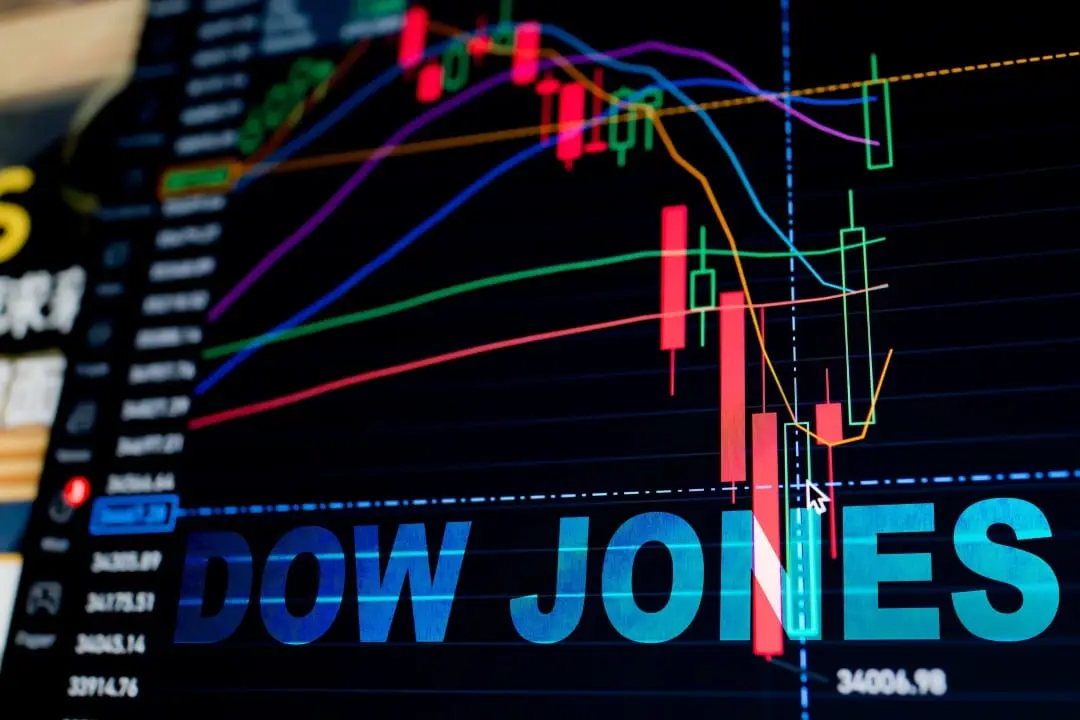
Stocks registered strong gains on Monday, marking the start of a shorter trading week due to the holiday. The move came shortly after President Donald Trump announced that a pact to end the war between the United States and Iran had finally been reached.
Wall Street’s main indices post significant gains
The Dow Jones Industrial Index advanced 516 points, representing an increase of 1%. The index, made up of 30 large company stocks, reached a new all-time intraday record during the session. Meanwhile, the S&P 500 also rose 1%.
In turn, the Nasdaq Composite Index recorded even more significant growth, with an appreciation of 1.5%.
SpaceX shares soar after stock market debut
In the corporate scenario, SpaceX saw its shares rise 8% in trading this Monday. That advance followed an impressive 19% jump in its stock market debut last Friday.
Brian Mulberry, chief market strategist at Zacks Investment Management, commented on the company’s performance: “It appears to be a lot more organized than I expected, and that’s not a bad thing. This isn’t a meme stock right away; people are actually adding it to their portfolios and holding it without trying to get rid of it.” Its assessment points to a stable and strategic reception by investors, without the volatility typical of other recently launched assets.
Leia Também

Financial analysis indicates that GTA 6 generated US$1 billion in the first hour of pre-sales

George Russell secures second Formula 1 triumph and leads Austrian GP after controlling Verstappen and Antonelli

Air crash in France kills 11 people on parachuting school aircraft
Trump took to social media on Sunday night to announce that the Iran deal was “now complete.” The memorandum of understanding is scheduled to be signed next Friday in Switzerland, according to a statement by Pakistani Prime Minister Shehbaz Sharif.
Confirmation of the agreement came after an escalation of tensions, including an exchange of fire between Israel and Hezbollah, a Lebanese group supported by Tehran. These incidents had raised doubts about the implementation of the pact on Sunday.
In addition to the agreement, Trump also reported having authorized the reopening of the strategic Strait of Hormuz. This decision caused a sharp drop in oil prices. Vice President JD Vance told CNBC on Monday that he expects the crossing to reopen permanently “toll-free in the long term,” which would be crucial to the fluidity of global energy trade and supply stability.
In response to this news, the price of crude oil in the US plummeted 5%, trading at approximately US$80 per barrel.
Although Brian Mulberry highlighted that the reduction in prices of refined products such as jet fuel should take “a little more time”, the fall in crude oil to US$80 is seen by him as a “strong signal”. He pointed out that, in a week of the Federal Open Market Committee (FOMC) meeting, this suggests that “we do not need to raise interest rates and that pressure on prices should ease relatively quickly.”
Fed Funds futures contracts currently indicate a greater than 98% probability that interest rates will remain unchanged, according to CME’s FedWatch tool.