At 40, Vozinha ends Spain and makes history at the 2026 FIFA World Cup
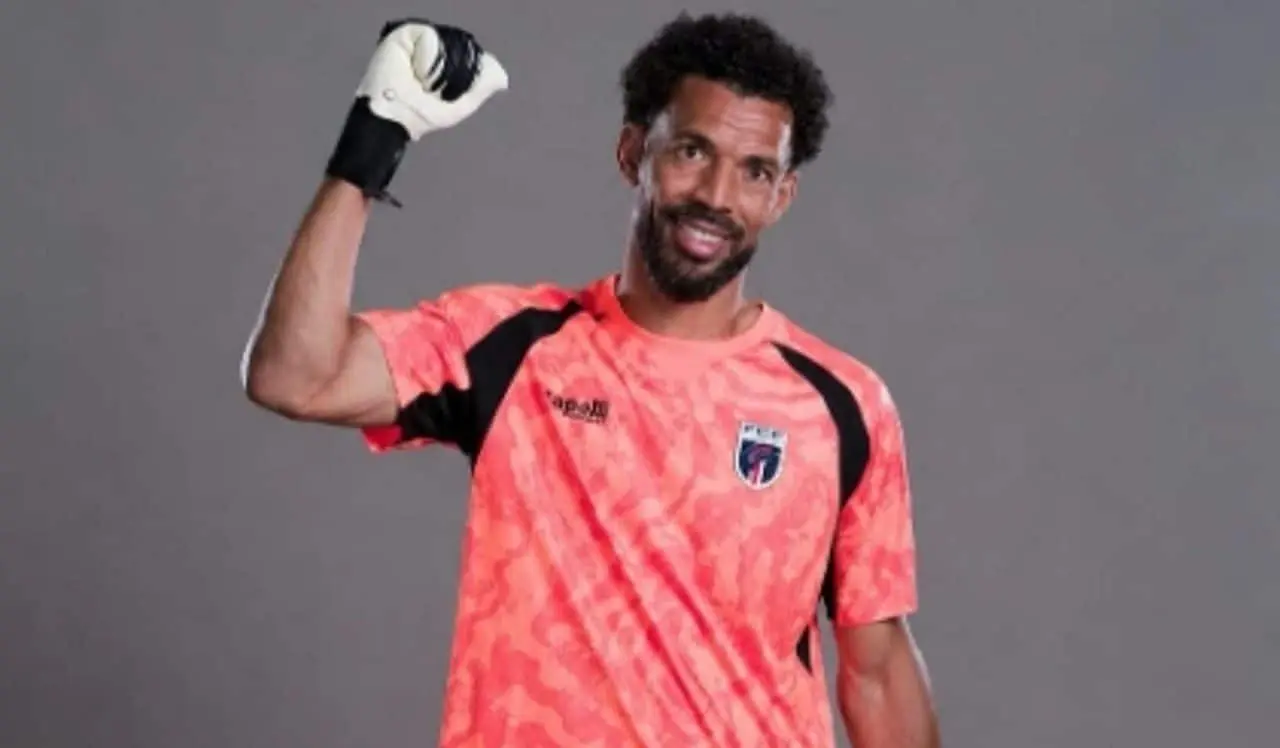
Cape Verde experienced a memorable milestone in its journey to the 2026 FIFA World Cup. Participating for the first time in the history of the coveted tournament, the African team achieved a remarkable feat by containing the fearsome Spain, drawing 0-0. This clash took place this Monday (15), at the imposing Mercedes-Benz Stadium, located in Atlanta, and the great architect of this surprising result was the experienced goalkeeper Josimar Dias, affectionately known as Vozinha.
At 40 years old, Vozinha stood out as the unquestionable protagonist of the match. His performances were impeccable throughout the first half, full of security and perfect positioning, culminating in crucial interventions in the final stage. He repeatedly disarmed the Spanish team’s offensive attacks, demonstrating sharp reflexes and a remarkable capacity for anticipation. The goalkeeper rose masterfully to intercept dangerous crosses, left his goal with pinpoint precision and displayed spectacular saves from short-range shots. One of the most impressive moments of his performance came just after half-time, when he flew nimbly to deny a certain Spain goal, frustrating the opposition attackers.
Born on June 3, 1986, in the vibrant city of Mindelo, coinciding with the World Cup in Mexico, Vozinha carries a nickname that evokes a fascinating connection with Brazilian football. His name, Josimar, was inspired by a series of events that began with the unexpected removal of Renato Gaúcho from the Brazilian team in 1986, creating a curious historical connection. Today, at 40 years old, with a resume that exceeds 90 games for the national team, he not only became Cape Verde’s longest-lived player to play in a World Cup, but also the unforgettable hero of the debut match, symbolizing persistence and dedication.
Spanish supremacy meets Cape Verde’s defensive wall
The Spanish team controlled possession overwhelmingly throughout almost the entire match, maintaining an average of close to 70%, according to the game’s official statistics. Stars like Pedri, Mikel Oyarzabal, Ferran Torres and Rodri orchestrated several plays and created clear scoring opportunities. However, all Spanish efforts came up against the solid defensive wall set up by Cape Verde, which knew how to position itself and protect itself in an exemplary manner. Even the entry of Lamine Yamal in the second half, a bid to unbalance the game, was not enough to break the compact defense of the “Blue Sharks”, which remained unshakable.
Cape Verde, in turn, opted for an extremely solid tactical strategy, based on a well-positioned defense with low lines and quick transitions for the counterattack. Players like Ryan Mendes and Kevin Pina had promising chances, especially during the second half, but were unable to convert them into goals. Even so, Vozinha’s unbreakable tactical discipline and singular inspiration were more than enough elements to guarantee the valuable point won. The goalkeeper had essential support from dedicated defenders, such as Pico Lopes and Diney Borges, who made vital cuts and tackles in moments of great pressure, demonstrating impeccable teamwork.
Historical impact of the draw for the Cape Verdean nation
The result achieved has truly immense significance for Cape Verde, one of the debut teams in the challenging Group H, which also includes Spain, Uruguay and Saudi Arabia. For the first time in its entire history, the country, which has around 560,000 inhabitants, was able to vibrate intensely with a performance that not only put the nation’s name in the spotlight on the world football stage, but also demonstrated its capacity. Coach Bubista, with his strategic vision, managed to assemble a cohesive and disciplined team, which respected the established game plan and intelligently exploited the few spaces granted by the powerful Spanish “Fúria”, resulting in a feat that will forever be remembered.
Leia Também

Financial analysis indicates that GTA 6 generated US$1 billion in the first hour of pre-sales
George Russell secures second Formula 1 triumph and leads Austrian GP after controlling Verstappen and Antonelli

Air crash in France kills 11 people on parachuting school aircraft
For Spain, current European Cup champion and one of the favorites, the unexpected draw raises a considerable warning signal. Despite their undeniable technical superiority and having a star-studded squad of international renown, the team led by Luis de la Fuente were unable to turn their dominance into goals. The coach will undoubtedly have to make important tactical and strategic adjustments before the next, decisive group stage matches. Players like Marc Cucurella, in his recent first official match, and other talents created dangerous moves, but the team lacked effectiveness in finishing, a crucial point to be reviewed.
Career and experience of Voice at the service of the national team
Vozinha, who currently defends the colors of Chaves, a club in Portugal, has had a remarkably long career marked by an unquestionable dedication to the sport. He made his debut for the Cape Verdean national team in 2012, participated in several editions of the prestigious African Cup of Nations and played an absolutely fundamental role in the qualifiers that guaranteed qualification for this historic World Cup. His vast experience, consolidated over 40 years of life and many in professional football, was a decisive factor in maintaining calm and organization in the Cape Verdean defense in moments of greatest pressure, transmitting security to the entire team.
In the second half of the match, the Spanish team visibly increased the pace, seeking victory at all costs. The substitutions, such as the addition of Nico Williams and Dani Olmo, aimed to bring more dynamism and freshness to the attack, but Cape Verde remained firm and unbreakable in its defensive strategy. Kevin Pina risked a dangerous shot from distance, Ryan Mendes wasted a good opportunity in a quick counterattack, but Vozinha continued to be the unshakable pillar of his team, ensuring defensive solidity. The referee granted extra time, adding more tension to the game, but the score remained unchanged, culminating in a historic draw.
A draw that goes down in history as a memorable “zebra”
This draw goes down in the annals of world football history as one of the great “zebra” results that occurred in the group stage of a World Cup. Cape Verde demonstrated, categorically, that even with less possession of the ball and fewer stars in its squad, the combination of exemplary tactical organization and the inspired performance of a goalkeeper can be enough to win valuable points against giants of the sport. The fervent Cape Verdean fans, who were present in large numbers in the United States – a country that is home to one of the nation’s largest diasporas – celebrated the result with the enthusiasm of a great victory, expressing pride and joy.
Vozinha’s remarkable performance was not restricted to just the technical aspect; it carried deep symbolism. His performance represented the resilience of a player who waited four decades to have the opportunity to shine on world football’s grandest stage. Born in the same year as the 1986 World Cup, an event that, indirectly, inspired his name, he now ends a symbolic cycle by masterfully defending his beloved country’s goal in the 2026 edition, with a journey that transcends generations.
The future of Group H and the message of African football
With this unexpected yet heroic result, World Cup Group H remains completely open and unpredictable. Spain, which expected a calmer debut, now needs to recover quickly to avoid compromising its classification, while Cape Verde, boosted by high morale, gains renewed confidence to face the next challenges against the teams of Uruguay and Saudi Arabia. African football, once again, has proven its ability to surprise the world, reaffirming that passion, organization and dedication can overcome differences in investment and tradition in the most popular sport on the planet, with achievements that inspire and enchant.