Dermatologists reveal affordable secrets to keeping your skin deeply hydrated all year round

The belief that flawless skin requires huge investments in products is one of the biggest misconceptions in the world of personal care. In reality, several effective strategies for maintaining skin hydration require little or no cost. Whether you’re fighting dryness or simply preserving a healthy glow every season, there are proven, cost-effective approaches endorsed by dermatologists.
Enjoy the ideal moment after your shower with the three-minute rule
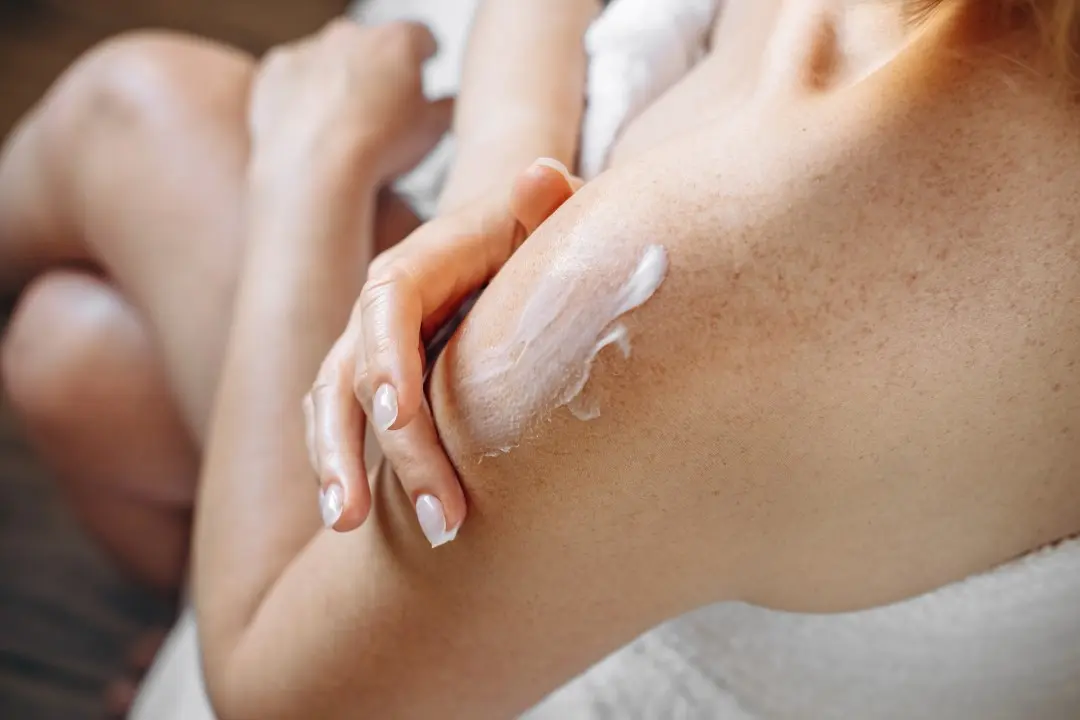
The best time to apply moisturizer is right after showering, while your skin is still soft and slightly damp. Moisturizing at this crucial time helps retain water in the skin before it evaporates, with the American Academy of Dermatology recommending application within the first three minutes after exiting the shower.
The ideal window for application is between three and five minutes after showering, when the skin remains damp but not dripping. At this point, dry your body gently with a towel, just pressing rather than rubbing vigorously. This habit, which costs nothing, makes a notable difference in the performance of any moisturizer, regardless of its price.
Shorter showers also play a significant role. Maintaining a shower duration of between five and ten minutes helps prevent compromising the skin’s protective barrier, which, over time, can worsen dryness and sensitivity. Hot water is especially harmful, stripping the skin of its natural oils; So, opting for warm water instead of very hot water is a simple and free adjustment that brings considerable benefits.
Replace harsh soaps with gentle cleaning agents
Components such as ceramides are essential for repairing and strengthening the skin barrier, while glycerin and hyaluronic acid attract and retain moisture in the skin. Gel-based washes that contain alcohol tend to promote dryness, while creamy or oil-based cleansers appear as more delicate alternatives, avoiding this problem.
Many traditional bar soaps can be overly harsh, throwing off the skin’s natural moisture balance. Adopting a gentle, fragrance-free soap represents one of the most impactful changes for those looking to save money. Several affordable options, found in pharmacies, deliver results identical to those of luxury products.
Identify key ingredients in low-cost products
When choosing a moisturizer, look for active ingredients such as hyaluronic acid and glycerin to ensure hydration, ceramides to strengthen the skin barrier, and natural oils, such as jojoba or almond, to nourish. These ingredients are widely available in economical formulations in pharmacies and have been scientifically proven to be effective.
Moisturizers are an essential pillar in any daily skin care routine. Not only do they prevent dryness and irritation, but they are also crucial for repairing and maintaining the skin barrier. The good news is that affordable brands like CeraVe and Cetaphil often come out on top in independent tests, outperforming much higher-cost products.
Leia Também

Financial analysis indicates that GTA 6 generated US$1 billion in the first hour of pre-sales

George Russell secures second Formula 1 triumph and leads Austrian GP after controlling Verstappen and Antonelli

Air crash in France kills 11 people on parachuting school aircraft
For those who prefer more natural approaches, aloe vera gel floods the skin with water, calms heat and helps barrier recovery, making it an excellent lightweight option for morning hydration. This product is widely accessible, low-cost and suitable for all skin types.
Use Vaseline as a Nighttime Moisture Sealer
Vaseline, a classic single-ingredient occlusive, is known to seal in moisture and support the recovery of dry, cracked, or compromised skin. Applying a thin layer over your base moisturizer at bedtime, especially on your face, hands and feet, locks in moisture overnight and results in noticeably softer skin in the morning. Costing just a few dollars per jar, it’s one of the most cost-effective skin care tools available and has been trusted by dermatologists for decades.
Ensure skin hydration from the inside out
No topical product can completely compensate for the body’s internal dehydration. Drinking at least eight glasses of water a day is a fundamental step towards radiant skin, as water transports nutrients to skin cells and contributes to the elimination of toxins that can cause dullness. A diet rich in omega-3 fatty acids and vitamins A, C and E also makes a significant contribution to skin health, with foods such as avocado, nuts, fatty fish and green leafy vegetables acting as great allies.
Foods high in salt and sugar are among the worst choices for dry skin, as both dehydrate the body. Sugar, in particular, can degrade existing collagen and elastin, causing skin to lose elasticity and fine lines to become more noticeable. Alcohol and coffee can also dehydrate the skin and decrease collagen production, so moderating your consumption of these substances makes a noticeable difference over time.
Keep your skin barrier protected with daily sunscreen
Moisture will not remain retained for long if the skin barrier is damaged daily by exposure to UV rays. Sunscreen isn’t just a summer essential; Using it 365 days a year and reapplying it every few hours protects against hyperpigmentation and preserves your skin’s natural glow. Hydration efforts are significantly undermined without consistent sun protection. Affordable SPF options are widely available at drugstores and represent one of the best long-term investments in skin health, regardless of budget.
Consistency always exceeds the price of products
The most expensive skincare routine in the world will not bring results without consistency. A simple and repeated daily habit of gentle cleansing, moisturizing damp skin, balanced nutrition, adequate water intake and sun protection will overcome the sporadic use of luxury products on every occasion. Healthy, hydrated skin is completely achievable without a big budget; it simply requires knowledge of what works and the daily practice of these actions.