Preparation for the sixth World Cup: Cristiano Ronaldo invests US$ 1 million annually in discipline and physical care
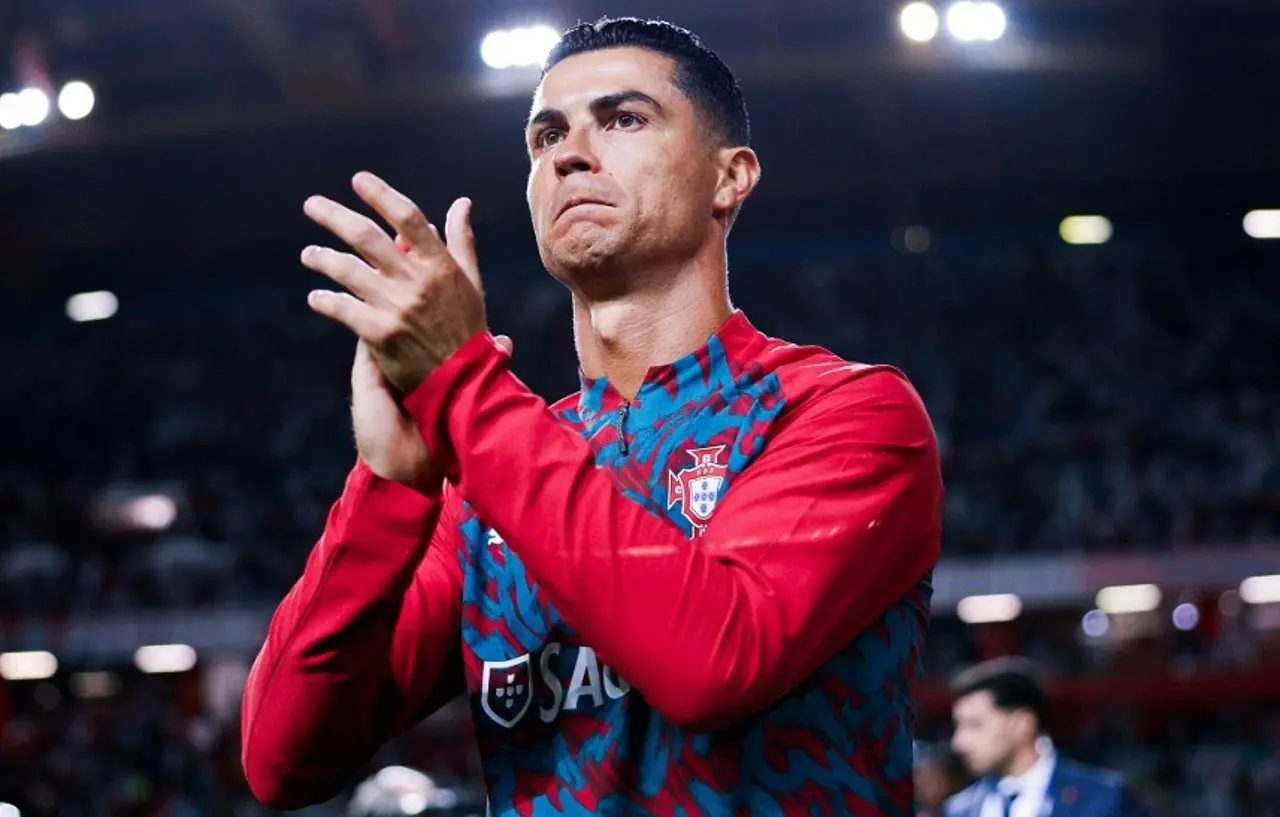
En route to his sixth World Cup appearance, 41-year-old striker Cristiano Ronaldo continues to impress pundits and members of the Portugal squad with his remarkable physical conditioning. To maintain high performance for as long as possible, the star allocates an annual investment of US$1 million, equivalent to approximately R$5 million, in a rigorous body care routine.
Recognized for his relentless dedication to fitness and professionalism that transcends the pitch, Cristiano Ronaldo applies significant resources to advanced methods aimed at slowing the biological aging process. This athlete’s remarkable longevity, in a sport with high physical demands, is not merely a matter of innate talent, but a calculated strategy: the million-dollar amount is directed to crucial areas such as specialized training, muscle recovery, rigorous nutrition, cutting-edge technology and constant medical monitoring, ensuring that his body operates like a high-performance machine in the long term.
More on this story: Brazilian UFC fighter Allan Puro Osso dies at age 34 after sudden illness
Throughout his sporting career, the Portuguese player demonstrated independence by installing physical recovery equipment in his own home, minimizing the need to depend exclusively on the infrastructure offered by the clubs. The largest portion of this expenditure is specifically directed towards muscle recovery, encompassing treatments such as cryotherapy in extreme cold chambers, regular ice bath sessions, daily massages, preventive physiotherapy, lymphatic drainage and active recovery processes after each match.
Cryotherapy: one of the Portuguese star’s bets to optimize muscle recovery
Among the cutting-edge methodologies employed, cryotherapy stands out as one of the most notable. During his time at Real Madrid, Cristiano Ronaldo acquired a personal chamber for this treatment, where he remains for brief minutes exposed to temperatures that can reach approximately -160°C. This technique aims to provide benefits such as a significant reduction in inflammation, accelerated muscle recovery and a notable reduction in the sensation of fatigue.
See Also



The scheduled nap technique: sleep as a strategic ally of CR7
Complementing his recovery approach, the player adopts a strategy of naps distributed throughout the day. To optimize this practice, he hired a specialist with the aim of integrating sleep as a fundamental piece of his training program. Instead of adhering to the traditional model of eight uninterrupted hours of sleep, the Portuguese star began to implement carefully scheduled rest cycles, seeking to accelerate muscle recovery, improve cognitive capacity and mitigate physical exhaustion.
Strategic eating: the pillars of Cristiano Ronaldo’s diet
The athlete’s investment also extends to his nutrition, demystifying the idea of a “magic diet” that many may imagine. Cristiano Ronaldo prefers natural and fresh foods, incorporating large amounts of proteins, vegetables and fruits into his meals, while maintaining strict hydration. He consistently abstains from alcohol consumption and categorically avoids fried foods and high-sugar drinks.
On the same topic: At 37, Lewandowski talks about his lasting career, initial rejections and plans at Barcelona
Furthermore, the 41-year-old player subjects his body to continuous and detailed assessments. Among the parameters carefully monitored, the percentage of body fat, muscle mass, hydration levels, degree of fatigue, the effectiveness of recovery after matches and the general quality of your sleep stand out.
Former members of his technical team often share reports about the player’s commitment, citing episodes in which he carried out recovery sessions in environments with harsh temperatures during the early hours of the morning, immediately after returning from games played in other locations.
Carlo Ancelotti, current coach of the Brazilian national team and former coach of Cristiano Ronaldo, has already praised the striker’s professionalism, remembering that the Portuguese had the habit of going directly to physical recovery sessions, even after long night trips, following commitments in European competitions.
In this way, the robust investment combined with exemplary discipline in his physical recovery emerges as one of the fundamental pillars that elucidate how Cristiano Ronaldo continues to overcome the barriers imposed by age in the professional football scene.