
Court orders refund of discounts benefiting the INSS after STJ declares loans void without formalities

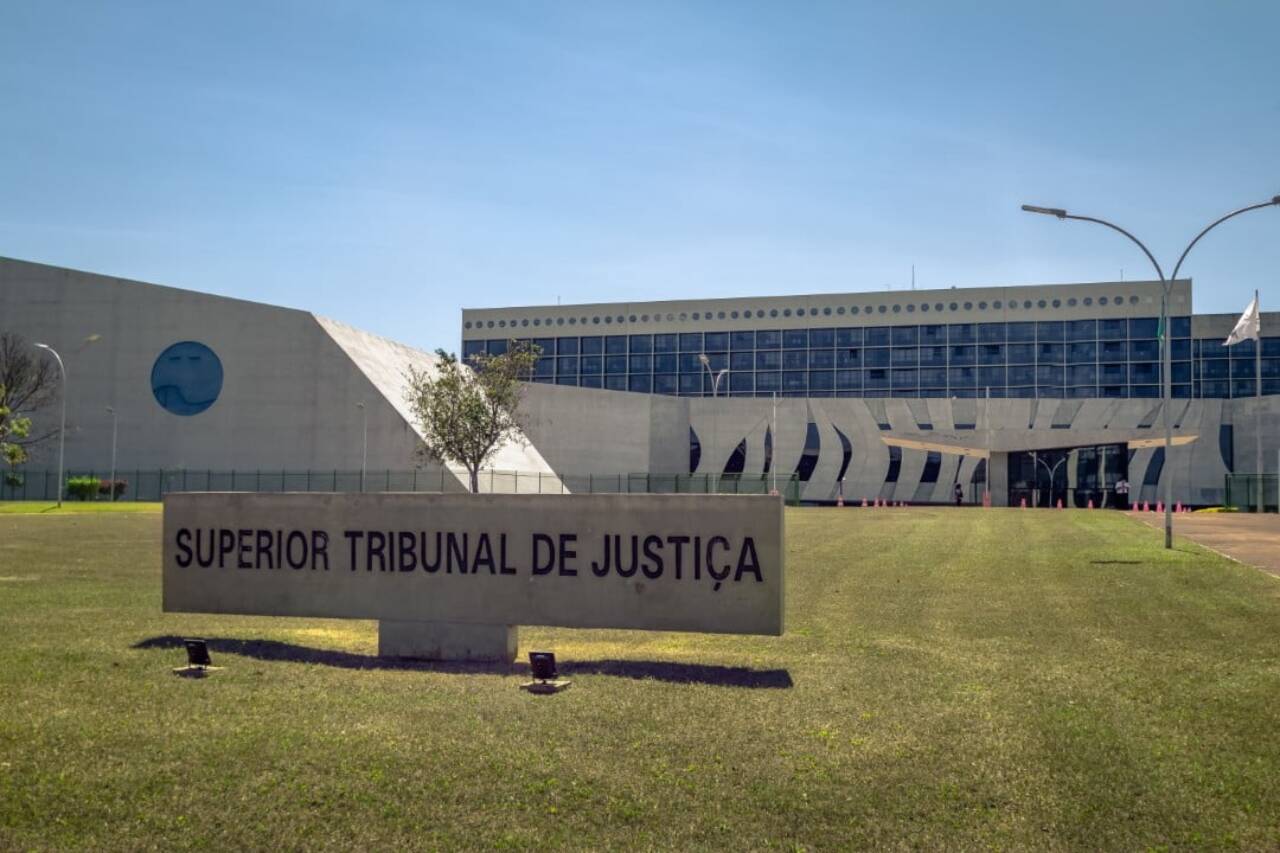
The Superior Court of Justice (STJ) ruled that payroll loan agreements signed by illiterate people at ATMs or self-service terminals are invalid if the legal formalization requirements are not respected. The Third Panel of the court emphasized that the simple use of a bank card, password and even receipt of the amounts are not enough to legalize this type of transaction, according to the deliberation released on June 9.
Based on this understanding, the judges decided to nullify the payroll contracts carried out by an illiterate man and established that the banking institution must reimburse all amounts debited from his social security benefit. The refund also covers annual fees for credit and debit cards, card contracting fees and special check provision fees.
The controversy reached the judicial system after the retiree noticed deductions considered inappropriate in his benefit paid by the INSS. He requested the annulment of the contracts, reimbursement of the amounts withdrawn and compensation for moral damages.
Initially, some of the requests were accepted in the first instance. However, the Court of Justice of Minas Gerais (TJMG) reversed the decision, considering contracts made through digital channels to be valid. The majority of judges justified that the use of a card with a chip and personal password would be equivalent to a digital signature of the account holder, and that the customer’s illiteracy would not represent an impediment to this type of operation.

When appealing to the STJ, the consumer claimed that the contracts did not follow the necessary formalities for illiterate people. He argued that contracting via ATM did not ensure understanding of the clauses or valid expression of his will.
Minister Ricardo Villas Bôas Cueva, rapporteur of the process, highlighted that illiterate people have full capacity to carry out acts of civil life. However, he explained that written contracts must meet specific requirements, such as signature upon request and the presence of two witnesses, in accordance with article 595 of the Civil Code. These measures aim to ensure that the contracting party understands the content of the document and declares their will consciously, which is a crucial point for protecting the rights of this group.
According to Minister Cueva, these safeguards remain valid even when hiring takes place in a digital environment. For him, allowing technology to submit to these legal requirements would compromise the protection aimed at the most vulnerable groups in society, who demand extra care when accessing financial services.
The rapporteur also emphasized that the bank password serves to authenticate the user and authorize day-to-day operations, such as account transactions, but cannot be considered sufficient to generate new financial obligations, such as payroll loans. Therefore, the fact that the consumer has received or used the amounts does not regularize a contract signed without complying with the requirements set out in law.
Based on this, the minister concluded that it was necessary to declare the nullity of the contracts described in the sentence and the refund of the amounts charged as a result of them, with the reservation made in the defeated vote of the state court regarding the simple repetition of the amounts and the compensation with the amounts made available by the financial institution in favor of the consumer.



