

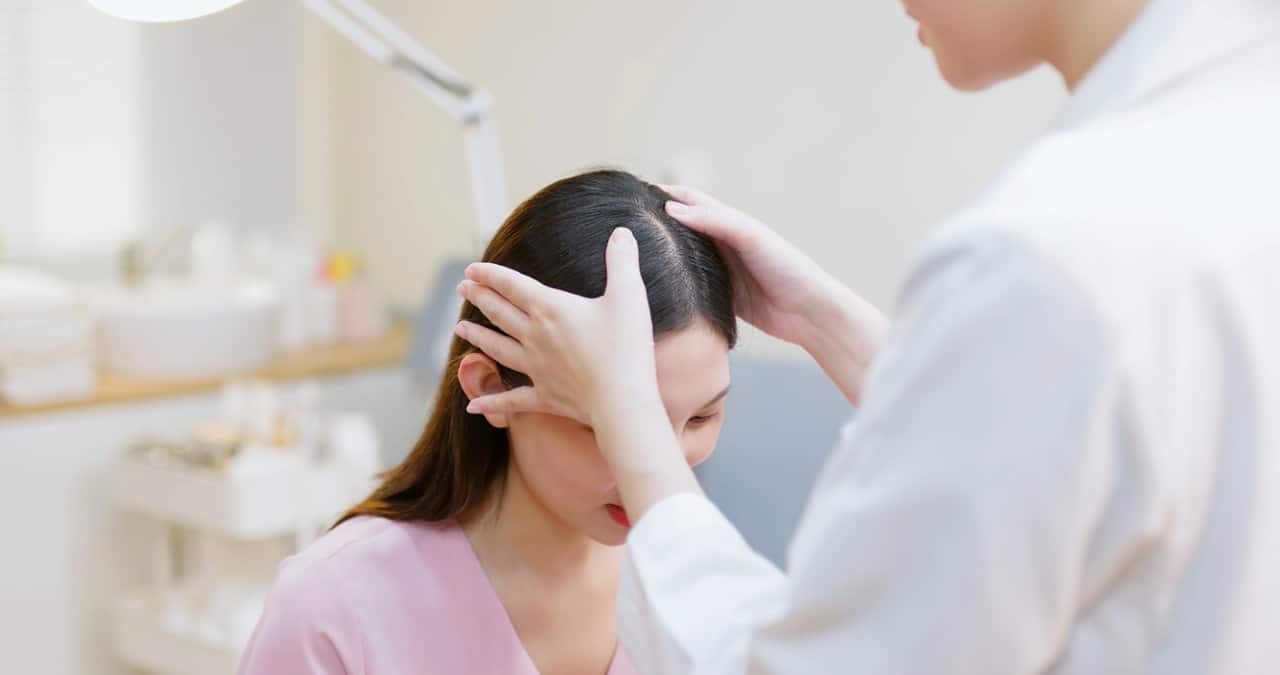
A growing number of nutritional formulations and treatments promise to prevent or even reverse the appearance of gray hair. However, many question the true effectiveness of these commercialized products. Medical experts offer their perspectives on the subject.
The hair graying process is a natural stage in life, but many people look for ways to slow or reverse it. It is common to see a significant increase in the demand for solutions such as serums and supplements to treat gray hair.
Analysis of online search trends in the United States showed that over the last year, interest in anti-grey hair loss serums grew by an impressive 280%, according to data compiled by NBC News. This phenomenon raises the question of whether there are products truly capable of preventing or reversing graying.
Dermatology experts were consulted by TODAY.com to clarify the science behind gray hair. They provided details about the mechanisms involved and the validity of the promises of the products available on the market.
Understand the factors behind the appearance of gray hair
Except in cases of artificial coloring, hair tends to lose its natural color over time, generally from the third or fourth decade of life, according to information from the Cleveland Clinic. The appearance of gray hair is a completely normal manifestation of aging, according to experts.
In an interview with the TODAY show on August 2, Dr. Mona Gohara, a board-certified dermatologist in Connecticut, explained that we are all born with a specific number of hair follicles and a predetermined number of growth cycles. Inside these follicles, there are small structures called melanocytes, responsible for producing the pigment that gives color to our hair.
Dr. Gohara detailed that hair graying occurs mainly due to a decrease in the renewal of these melanocytes. Dr. Jonathan Zippin, dermatologist at Weill Cornell Medicine, adds that melanocytes are located in the center of the hair. When there is a need for replication, they migrate to the base of the hair follicle and produce melanin, the hair pigment.
The amount and proportion of two different types of melanin are determining factors for hair color, whether black, brown, red or blonde.
The graying process happens when “melanocytes stop moving and populating the base of the hair,” Dr. Zippin explained. The absence of these melanin-producing cells at the base causes the hair to take on a gray tone; when they are completely absent, the hairs turn white.
The age at which hair begins to turn gray and the extent of this process are characteristics that vary significantly between individuals.
The exact cause of gray hair has not yet been fully understood. “Sometimes, melanocytes get tired. They just don’t want to work anymore,” commented Dr. Gohara, noting that genetic factors also play a crucial role.

The impact of stress on hair graying
In addition to the natural aging process and genetic predisposition, stress and certain medications can contribute to hair graying, as experts point out. Research in rodents indicates that stress can cause damage to melanocytes, speeding up the graying process, Dr. Zippin said.
A study published in 2021 revealed that stress can induce the appearance of gray hair in humans. Research has also suggested that removing these stressors could, in some cases, temporarily reverse the process, causing strands to return to their natural color from the roots. However, these effects were limited to a specific age group and a few hair follicles, according to a previous TODAY.com report.
“We also know that there are some medications that can affect melanocytes or stress them, in which case that can lead to gray hair,” Dr. Zippin said.
Natural methods to reverse gray hair: what does science say?
In recent years, the market has been flooded with an increasing variety of products promising to combat gray hair, driven largely by social media. However, Dr. Zippin states that, based on current scientific evidence, there are no products that can “definitely” reverse the graying process.
Several popular serums, which include ingredients such as caffeine, peptides and vitamins in their formulas, promise to reduce the visibility of gray hair, restore hair color and provide visible results in a few months with daily use. Some manufacturers even claim to have studies that corroborate such promises.
The central question is whether serums or their active components can really stimulate the production of melanin when applied to the scalp. “It is questionable whether melanocytes are actually stimulated. I don’t know if we have any definitive scientific proof that this is happening,” said Dr. Gohara.
When it comes to stress-induced gray hair, Dr. Zippin adds, “Theoretically, if the cause is stress and those stressors are eliminated, it could reverse the process, but has that been done pharmacologically? No.”
Can vitamin B12 supplements restore hair color?
In addition to serums, many companies sell supplements with vitamin complexes. Vitamin B12 is particularly popular, as studies from the Cleveland Clinic indicate that B vitamins (including A and biotin) are important for the growth and health of hair follicles.
However, experts say there is no scientific evidence to prove that specific vitamins can delay or stop hair graying. There are no scientific studies that show that certain supplements – including vitamin B12 – prevent or reverse the appearance of gray hair in humans.
“I think it’s safe to say that we don’t fully understand what causes gray hair. Therefore, it’s difficult to know whether a particular product will be effective because we don’t know what mechanism we’re trying to reverse,” Dr. Zippin explained.
Possible adverse effects and precautions when using anti-gray products
The US Food and Drug Administration (FDA) does not pre-examine the safety of anti-hair loss products before they are marketed. Despite this, Dr. Gohara considers most of these items to be low-risk, classifying them as “fairly safe to try.”
Among the potential side effects, Dr. Gohara mentioned the possibility of scalp irritation caused by serums or gastrointestinal problems resulting from the use of supplements.
“In general, I don’t think any of them will harm anyone,” Dr. Zippin commented. However, he points out that allergic or adverse skin reactions are always possible when starting to use any new serum or topical product.
If a new irritation or rash appears associated with using a product, Dr. Zippin recommends discontinuing it immediately.
Dr. Gohara suggests testing serums on a small area of skin before full application and, if in doubt, consulting a doctor before incorporating a new product into your routine.
Although most popular products for disguising gray hair may not pose significant health risks, experts warn that the impact on your wallet can be considerable. Finally, the options of dyeing your hair or accepting the natural color of your hair, with its white and gray tones, remain valid choices.