Paleolithic diet: how Spanish standout Marcos Llorente adheres to the jungle diet
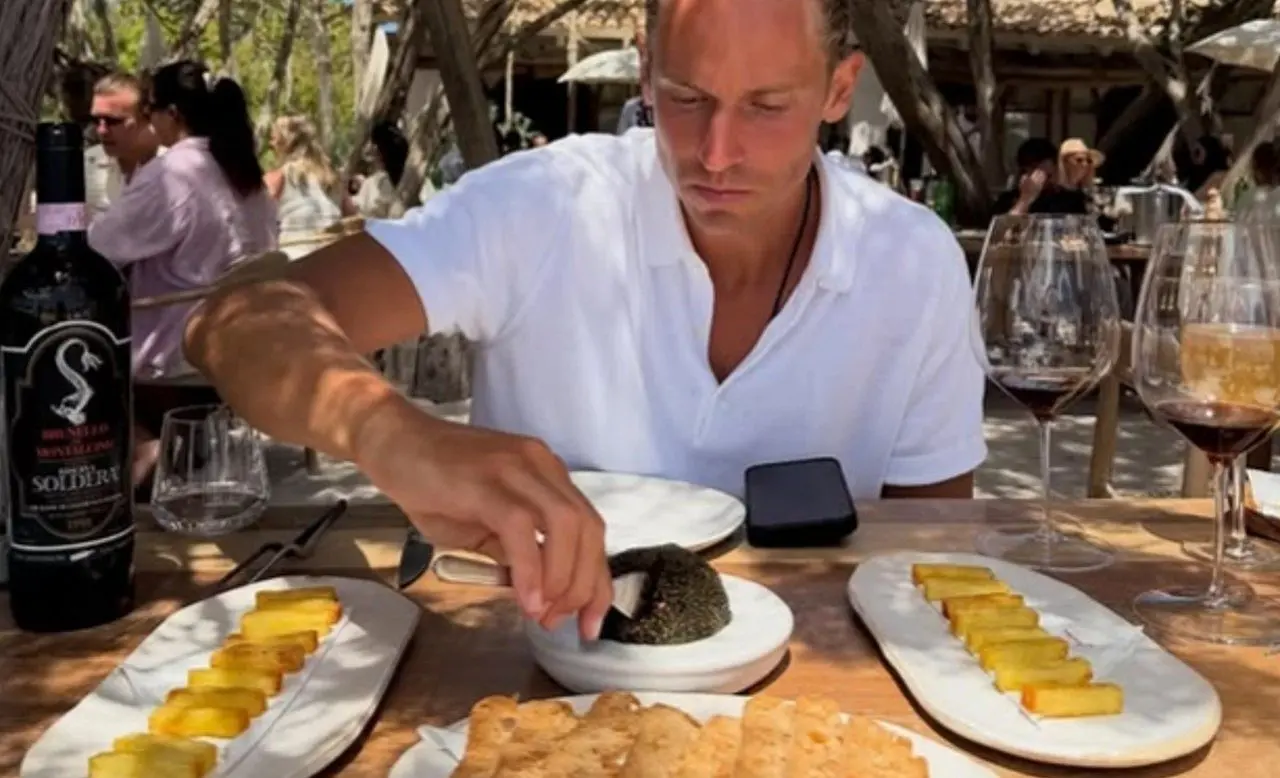
Midfielder Marcos Llorente, a key player in Spain’s World Cup squad, has become an ambassador for a healthy lifestyle, actively adopting and promoting the so-called Paleolithic diet. Popularly known as the “jungle diet”, this eating routine has been displayed on his social networks, where the player shares meals rich in proteins, fruits and vegetables.
Discover the principles of Paleolithic nutrition and what it proposes
The basis of the Paleolithic diet lies in imitating the eating patterns of early humans, who lived during the Stone Age period. As described by the United States National Library of Medicine, this regimen prioritizes foods that would be naturally obtained through hunting and gathering. This includes a wide range of fruits, vegetables, lean meats, seeds and grains, while severely restricting the consumption of ultra-processed products.
Marcos Llorente’s philosophy of life and its relationship with diet
More than just a sequence of foods, for Marcos Llorente, the Paleolithic diet represents a philosophy of life that questions contemporary habits. In one of his publications, the athlete reflected on the stress and guilt that many people associate with food. “Maybe the problem isn’t that people eat too much. Maybe the problem is that we live very far from how we were made to live,” he pondered, suggesting a return to more natural practices.
Leia Também

Messi reaches 19 goals in FIFA World Cups with great free kick for Argentina in clash with Jordan

Cristiano Ronaldo shines beyond the pitch at the 2026 World Cup with business empire and family luxury

At 41, Cristiano Ronaldo reaffirms his historic legacy and prepares to shine in the 2026 World Cup
Beyond food: player care when exposed to natural light
Llorente’s wellness habits go beyond the table. The player also demonstrates specific care when managing exposure to light. He tries to avoid excessive artificial light and makes a point of spending time exposed to sunlight every day. In an Instagram post, he shared an image of the sunrise and detailed the multiple benefits this practice provides.
The main benefits of sun exposure, according to the athlete
- Synchronizes the body’s biological clock.
- Activates the production of hormones linked to well-being.
- Improves metabolism and cellular energy.
- Contributes to the reduction of inflammation and oxidative stress.
- Prepares the skin to receive the midday sun in a healthier way.
The appeal and questions of the ancestral diet today
The Paleolithic diet has gained followers in the modern scene, attracting people looking for an alternative to processed foods and a more “natural” lifestyle, in line with what Llorente preaches. However, although it promotes the consumption of whole foods, the scientific community debates the long-term sustainability of such restrictive diets and whether they meet all nutritional needs based solely on prehistoric eating patterns, highlighting the importance of professional monitoring before any radical change.