Apple announces iPhone 18 Pro Max with variable aperture camera and reveals its first foldable cell phone
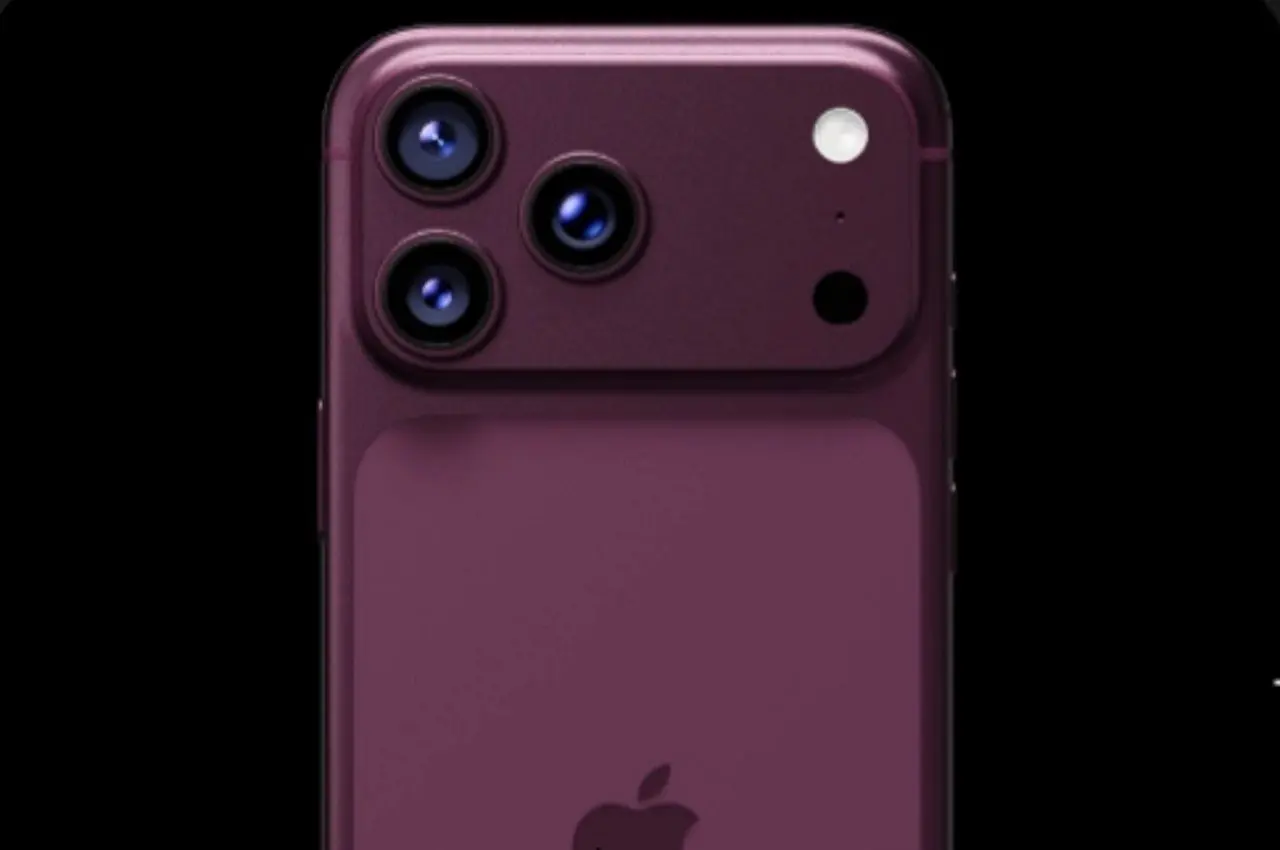
Technology giant Apple has officially announced the arrival of the long-awaited iPhone 18 Pro Max, a device that promises to redefine industry standards with a 200 MP periscopic camera system and variable aperture technology, a first for the brand. The high-end device arrives equipped with a 6.9-inch LTPO Super Retina XDR OLED screen, in addition to being powered by the new 2-nanometer A20 Pro processor and a robust 5,200 mAh battery. During the same announcement, the manufacturer confirmed its entry into the flexible screen segment with the unprecedented iPhone Fold, in flip format, completing the line of smartphones that will hit stores in September 2026. The most advanced model in the traditional family will have a starting price set at US$1,199.
Photographic innovations transform the smartphone into professional equipment
The new device’s optical set represents a significant leap forward for content creators and photography enthusiasts. The main lens now houses a 1/1.12 inch sensor, the largest ever integrated into a company phone, ensuring superior light capture even in environments with extremely poor lighting. The big news is the variable aperture mechanism, a mechanical feature that allows the user to physically control the depth of field and light input, delivering results that were previously exclusive to dedicated DSLR and mirrorless cameras.
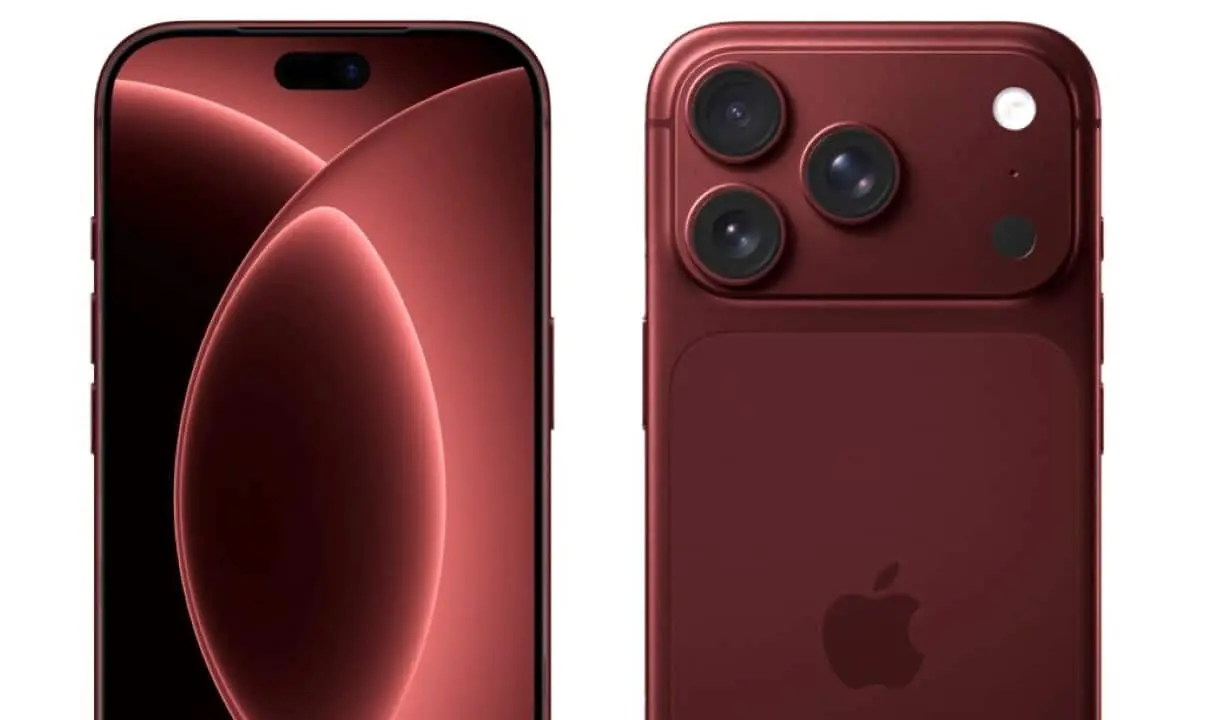
For distance captures, the periscopic system achieves an unprecedented zoom capability in the Apple ecosystem, supported by a triple rear set that includes a 48 MP main lens, a 48 MP ultrawide lens and a 64 MP telephoto sensor. The versions aimed at professionals received a profound improvement in image processing via software, using advanced algorithms to automatically correct colors and adjust exposure even before the final click. In the audiovisual field, the two most expensive devices in the line now support video recording in 8K resolution at an impressive 60 frames per second.
Changes to the display and visual adjustments improve the device’s ergonomics
Display quality received special attention with the adoption of M16 panels manufactured by Samsung, currently recognized as the market benchmark in terms of maximum brightness and color fidelity. The physical size has grown: the Pro Max variant reaches the historic mark of 6.9 inches, while the conventional Pro model now boasts 6.3 inches. To accommodate this increase without compromising the footprint, engineers drastically reduced the edges around the display and reduced the cutout of the Dynamic Island, combining these changes with more rounded corners that avoid discomfort during prolonged use.
This expansion of the usable area makes it easier to view multiple applications simultaneously and makes reading long texts much more pleasing to the eye. ProMotion technology continues to be present, intelligently adjusting the refresh rate up to 120 Hz when there is movement on the screen and reducing the frequency to a minimum when displaying static images, a fundamental strategy for preserving the charge of the energy component.
Performance driven by new chip architecture and advanced connections
The heart of the new devices is the A20 Pro chip, built using the unprecedented 2 nanometer lithography — a crucial evolution compared to the 3 nanometers of the previous generation, allowing more transistors to be allocated in the same physical space to generate more power with less heat. This processor delivers a 45% gain in graphics processing in direct comparison to the A19 Pro, working together with 12 GB of RAM to support complex operations and offering internal storage options that reach up to 2 TB.
- Integration of the proprietary C2 modem to stabilize the signal in shadow areas.
- Native support for Wi-Fi 7, Bluetooth 6 and very high-speed 5G networks.
- Expanded satellite communication for sending messages in places without terrestrial coverage.
- Enlarged power modules, with 5,200 mAh in the Pro Max and 4,300 mAh in the Pro version.
- Autonomy estimated at 26 hours of continuous use, reaching up to 72 hours in extreme economy mode.
Evaluations conducted in the manufacturer’s laboratories indicate that the synergy between the new energy capacity and the thermal efficiency of the newly developed silicon easily guarantees a full day of intense use. The user will not need to use sockets or portable chargers even when playing heavy games or recording high-resolution videos.
Leia Também

Financial analysis indicates that GTA 6 generated US$1 billion in the first hour of pre-sales

George Russell secures second Formula 1 triumph and leads Austrian GP after controlling Verstappen and Antonelli

Air crash in France kills 11 people on parachuting school aircraft
The brand’s first foldable model features a compact format and flexible screen
After years of speculation, the company finally enters the flexible cell phone competition with the iPhone Fold, adopting the clamshell format that quickly became popular among consumers. The device has a fully functional 5.5-inch external display for quick tasks, which opens to reveal an internal 7.8-inch OLED panel with tablet proportions. The project’s biggest difference is the exclusive hinge mechanism, designed to the millimeter to almost completely eliminate the central crease on the screen, solving one of the biggest complaints from users of competing devices, such as the Galaxy Z Fold line from South Korean Samsung.
In terms of specifications, the foldable is not far behind its conventional brothers, featuring the same A20 Pro chip, 12 GB of RAM and a ceiling of 2 TB for storing files, in addition to a dual camera system led by a 200 MP sensor. To optimize the internal space, engineering chose to bring back the Touch ID fingerprint reader, now embedded directly into the side power button. Focused on a high-income audience that seeks exclusivity, the flexible model has a suggested price of US$2,000.
Operating system gains native generative artificial intelligence features
The entire new family of cell phones will leave the factory running iOS 27, a software update built from scratch to house generative artificial intelligence tools. The virtual assistant Siri underwent a complete redesign to understand complex contexts and maintain natural conversations, while the photo gallery gained automated functions that correct red eyes, adjust the framing and erase unwanted objects from the background of the image with a simple touch. The virtual keyboard has also been improved, learning the owner’s writing style to suggest complete and accurate responses in messaging apps.
The company’s strategy to stand out in this competitive segment is to focus on absolute data privacy. The overwhelming majority of these artificial intelligence operations occur locally, within the phone’s processor itself, drastically reducing the need to send personal information to cloud servers. This offline processing approach ensures faster responses and protects the user’s identity against possible leaks on the internet.
Available colors, official values and expected arrival in stores
The official schedule establishes that the entire new generation of smartphones will be available for purchase from September 2026, with finishing options in Dark Cherry, Light Blue, Dark Gray and Silver. The price list was structured to cover different ranges of the premium market: the entry-level version of the iPhone 18 will cost US$899, rising to US$1,099 for the Pro model and US$1,199 for the Pro Max variant, culminating in the US$2,000 charged for the foldable edition. With this diversified portfolio, the North American brand seeks to solidify its leadership position and dictate consumer trends for the coming years.