Japanese sommelier details the subtleties of onsen bathing and the importance of ‘reading the environment’ for foreigners
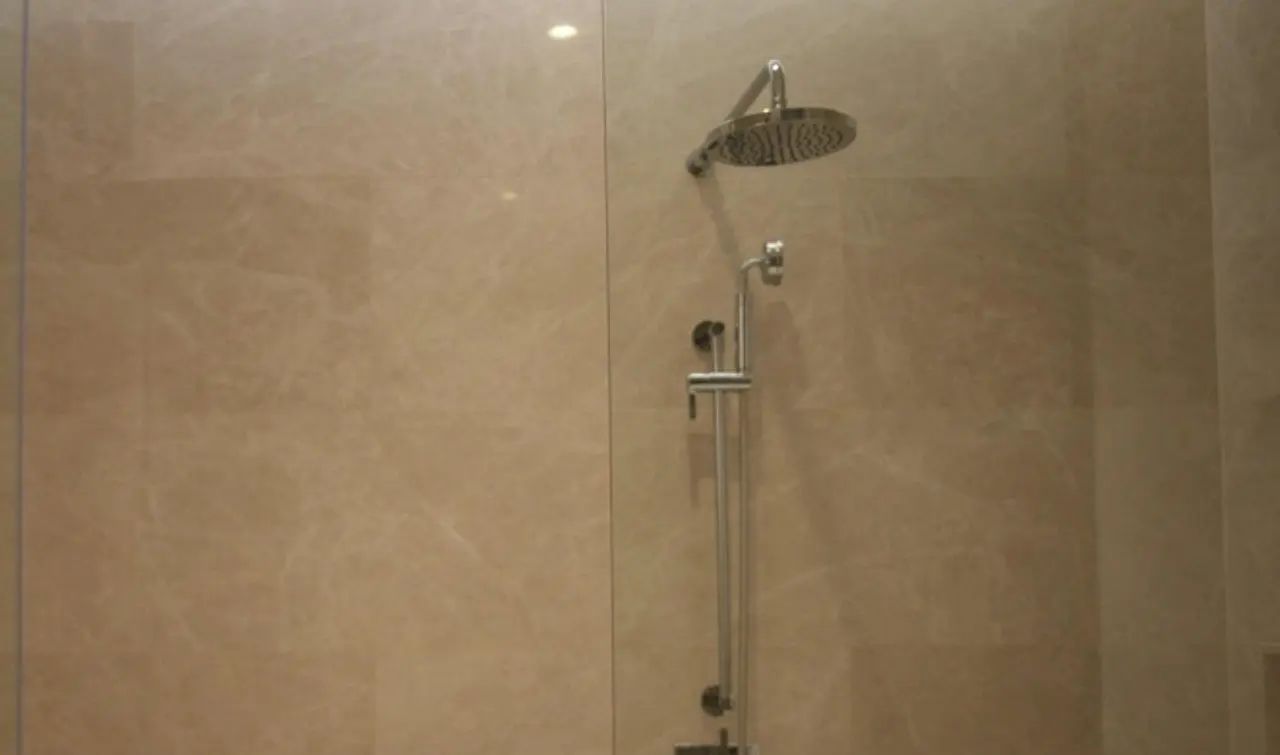
A hot spring bath at Kurone Iwa-buro, located on the Izu Peninsula, offers a unique experience, situated on a rocky outcrop where the waves of the Pacific Ocean seem almost at your fingertips. The natural beauty of the place attracts visitors looking for relaxation.
In Kitagawa Onsen, a small fishing town, the landscape is dominated by boats and nets, and it’s not common to see many international tourists during the week. Therefore, the presence of a foreign woman entering the local thermal complex generated some curiosity.
The visitor, after a quick observation of the environment, went directly to one of the fountains from which water gushing with a temperature of over 50 degrees Celsius.
Without any hesitation or further preparation, she scooped up the hot water with her hands and began pouring it over her body.
Instantly, the woman began to jump and exclaim “Hot! Hot! Hot!” as her skin quickly turned a reddish hue from the intense heat of the water.
Common error in kakeyu etiquette in onsens

The tourist was trying to perform the ritual known as “kakeyu”, which consists of dousing the body with hot water before entering the main bathtub, a fundamental practice of hygiene and thermal adaptation. However, an information sign near the fountain, written in somewhat confusing English, said: “Please pour hot water on yourself before entering the bath”, which led to a literal and mistaken interpretation.
Although the woman followed the instructions precisely, the true meaning of the practice was not understood, resulting in her immediate discomfort.
Realizing the dangerous situation and the misunderstanding, a man who was in the bathtub intervened, shouting: “Don’t use that water, you’ll burn yourself! Take a bucket to take the water directly from the main bath, and not from the fountain tap.”
The journey of a hot spring sommelier
Encounters with situations of cultural misunderstanding like this are frequent when traveling in Japan. For visitors from other countries, these small errors of interpretation can sometimes compromise the complete experience of a trip.
Leia Também

Messi reaches 19 goals in FIFA World Cups with great free kick for Argentina in clash with Jordan

Cristiano Ronaldo shines beyond the pitch at the 2026 World Cup with business empire and family luxury

At 41, Cristiano Ronaldo reaffirms his historic legacy and prepares to shine in the 2026 World Cup
Japanese hot springs, known as onsen, are full of cultural peculiarities and unspoken rules, ranging from the need to bathe naked to the politics of tattoos.
This wealth of detail was exactly what attracted the narrator, a Japanese man who lived most of his adult life in the United States. Upon returning to Japan after many years, he found himself rediscovering the complexity of onsens culture through the eyes of a foreigner.
Initially, he felt renewed resistance and even strangeness at the idea of bathing naked alongside strangers.
However, as he delved deeper into the customs and proper bathing methods, his curiosity about hot springs grew exponentially.
With the expansion of their knowledge, hope arose that international visitors could also truly enjoy onsens, not as an adaptation challenge, but as a relaxing and enriching experience.
This is how he sought and obtained the hot spring sommelier certification, a recognized and legitimate qualification in Japan for those who master the culture and properties of springs.
In his search for the best hot springs in the country, the sommelier traveled more than 3,000 kilometers, exploring from Hokkaido in the north to Okinawa in the south, and also worked at an onsen inn.