

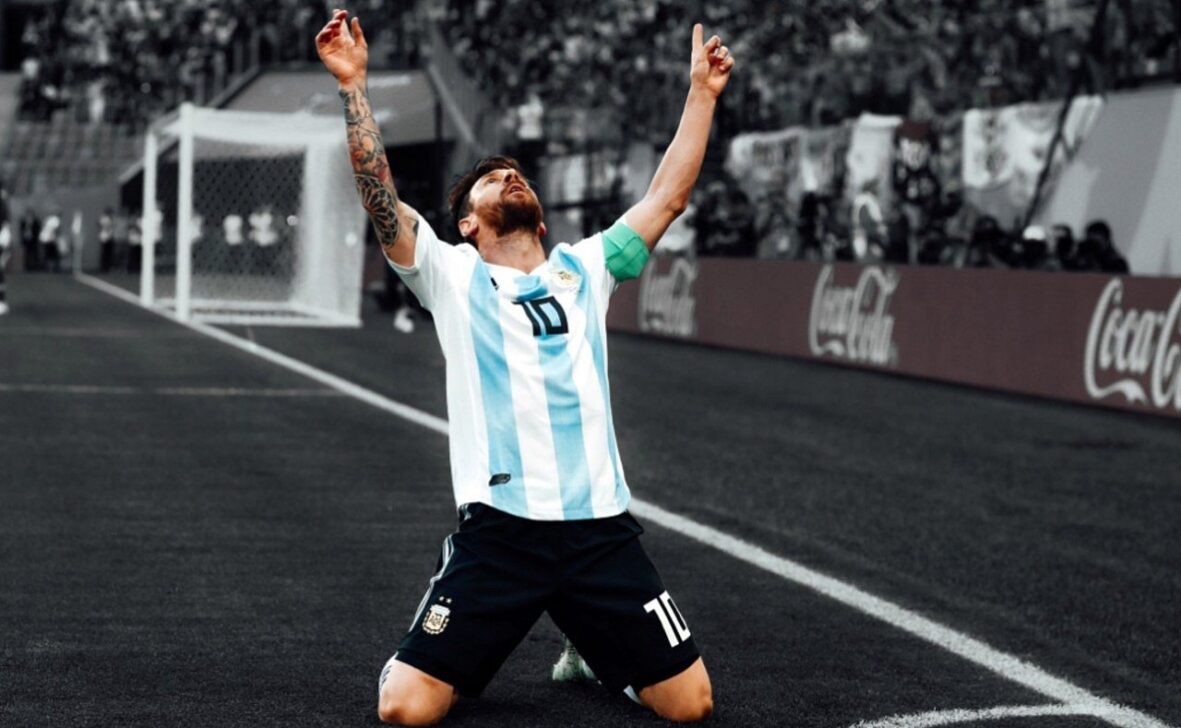
At 38 years old, player Lionel Messi continues to surprise world football. He scored three goals on his debut at the 2026 World Cup, maintaining a high-level performance that has impressed fans and experts alike. This lasting performance, however, is the result of a profound transformation in its habits, which began more than a decade ago.
In an attempt to improve his physical performance and mitigate health problems, Messi made a drastic change in his diet from 2015 onwards. Italian doctor Giuliano Poser, a specialist in sports medicine, took responsibility for this dietary reorientation, following a recommendation from former Argentine defender Martín Demichelis.
Since then, the star has abandoned foods that were previously part of his routine. Dishes such as pizza, soft drinks, sweets and processed products were eliminated, giving way to a strict diet focused on maintaining muscle mass, controlling body weight and optimizing physical recovery.
The effects of these changes manifested quickly. According to reports from the Spanish newspaper Mundo Deportivo, Messi lost approximately 3.5 kilos after the 2014 World Cup. This weight loss was considered crucial for his performance in the 2014/15 season, in which he led Barcelona to victories in the Champions League, the Spanish Championship and the Copa del Rey.
Before adopting the new diet, the attacker had a notorious fondness for pizza. It was common for, after matches, the dish to be chosen from the menu available to athletes. Off the field, his meetings with friends also frequently took place in pizzerias.
This custom came to worry the Barcelona team, the club where Messi spent most of his professional career for two decades.
Carlos Rexach, a member of the team’s technical committee at the time, commented in a meeting with fans in 2015: “Before he ate at the club and rested afterwards. More pizzas than he wanted or needed.”
The transformation in eating habits completely redefined the Argentine star’s menu. Vitamins, vegetables, fish and cereals became the pillars of his nutritional routine.
Giuliano Poser, his doctor, clarified that the aim of the diet was never to alter Messi’s playing style, but rather to maximize and extend his physical capacity for as long as possible.
Doctor Giuliano Poser said: “I’m not going to improve a phenomenon like Messi by eating a certain way. But we can make him continue being Messi for longer.”
The specialist is an advocate of a diet made up of natural and minimally processed ingredients.
Poser detailed a group of five foods that he considers essential, the “gasoline” for the body: water, good olive oil, whole grains, fresh and organic fruits and vegetables. It also included dried fruits and seeds. Furthermore, Messi needed to control his sugar consumption, which his doctor describes as “the worst thing that exists for the muscles”, and reduce red meat, a challenge for any Argentine.
In addition to the direct benefits in sporting performance, the new dietary approach helped Messi control recurring stomach problems that affected him at various stages of his career, including bouts of vomiting during training and games.
By implementing a diet focused predominantly on vegetables and natural foods, the Argentine athlete also experienced a decrease in the risk of injuries and a more efficient physical recovery throughout the seasons.
The star himself has already recognized that paying attention to his diet has become a fundamental pillar in his daily life.
“I’ve been taking care of myself with my food for many years. Then I do strength training and a few other things. I’m not much of a gym person,” said Messi.
Despite the rigidity of his routine, Messi confesses that he still faces considerable temptation. The striker revealed that he has a small “addiction” and occasionally makes exceptions in his diet. “It’s the hardest thing for me. Even now, from time to time I sin with chocolate,” admitted the player.
Between dietary sacrifices and a routine focused on maintaining physical fitness, Messi continues to demonstrate that natural talent can be amplified by healthy habits. The three goals scored on his debut at the 2026 World Cup are concrete proof that this success formula remains effective.