

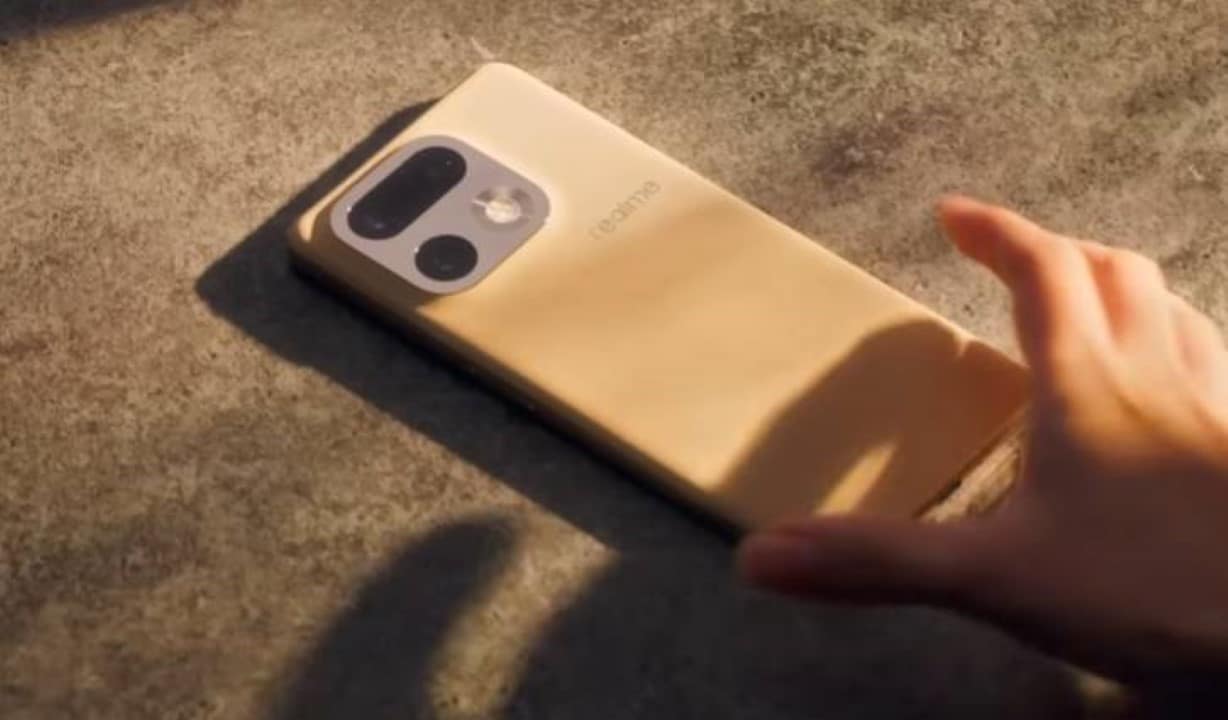
The Asian manufacturer’s new smartphone has just passed rigorous energy assessments, proving that its huge 8,000 mAh cell is not just a marketing ploy to attract consumers. During practical laboratory tests, the device recorded almost 23 hours of uninterrupted mixed operation, including internet access, telephone calls and media consumption, in addition to maintaining the frame rate well in electronic games. This result validates the brand’s initial promise of delivering up to three full days of autonomy away from sockets, a rare difference in a market where the industry standard average usually hovers around 5,000 mAh.
When analyzed in isolated stress scenarios, the mobile device demonstrated unusual resistance for its price range. The meters showed the ability to sustain voice calls for practically 50 hours straight, in addition to guaranteeing around 26 hours browsing virtual pages and almost 25 hours playing films and series on streaming platforms. The system’s behavior when accessing websites caught a lot of attention from hardware experts, managing to surpass even the direct competitor Poco X8 Pro Max, which has an even larger energy tank, designed with 8,500 mAh of total capacity.
Impact of screen resolution on energy savings during media consumption
One of the big secrets behind this prolonged energy efficiency lies in the technical choice of the front display panel. By opting for a 720p resolution screen, the manufacturer drastically reduced the graphics processing load required from the processor, which translated into an impressive 24 hours and 56 minutes of continuous video playback. This hardware feature places the model at the top of the ranking of entry-level cell phones, proving that fewer pixels to render means much more active screen time, especially when loading web pages that require less visual effort than heavy games.
Recharging time at the socket reveals the main weak point of the device
Despite the superlative numbers in charge retention, the component refueling process leaves something to be desired compared to rivals in the same commercial category. Official support indicates a charging power of 45W, which is insufficient to quickly fill such a massive 8,000 mAh tank. In practice, plugging the cell phone into the socket for 15 minutes recovers only 19% of the capacity, while half an hour of waiting increases the marker to 34%, requiring an hour and a half to reach maximum charge, a pace considered slow by current standards of mobile technology.
To understand exactly where the new release positions itself in the sector, it is essential to observe the behavior of its main opponents in standardized tests of daily use:
- Realme 16T: recorded 22h43 in mixed use, reached 49h33 in calls and supported 25h42 browsing the internet.
- Poco X8 Pro Max: scored 25h22 of general activity, with 44h05 of voice calls and 21h26 of access to websites.
- Realme P4 Power: obtained 25h35 of combined autonomy, an impressive 61h08 on the phone and 24h46 on web pages.
- vivo V70 FE: delivered 20h41 of active operation, 47h57 of audio chatting and 19h22 of online browsing.
- Honor Magic8 Lite: finished with 17h58 of daily use, 34h18 of phone calls and 18h18 of exploring the internet.
Sales strategy focuses on the long term and cost-benefit for the consumer
Arriving on international shelves with a suggested price starting at INR 29,999, a value that corresponds to around €270, the smartphone aims directly at the pocket of consumers looking for savings and durability. The Asian company guarantees that the energy component will maintain its physical and chemical integrity for up to seven years of continuous use, a bold promise that aims to attract those who cannot afford to change devices frequently. This guarantee of longevity, added to the ability to be away from the charger for three days, perfectly defines the target audience: users who prioritize extreme resistance over luxury specifications or ultra-high definition screens.
It is clear that the engineering behind this project made a conscious choice to sacrifice energy replenishment speed in favor of massive autonomy. While other mobile devices with large batteries invest heavily in ultra-fast chargers, this model accepts its limitations in power sockets to shine during everyday use away from cables. Laboratory tests confirm that the strategy works perfectly for its market niche, delivering formidable resistance for internet consumption and basic applications, even if the owner needs to have a little more patience when plugging the equipment into the wall.