

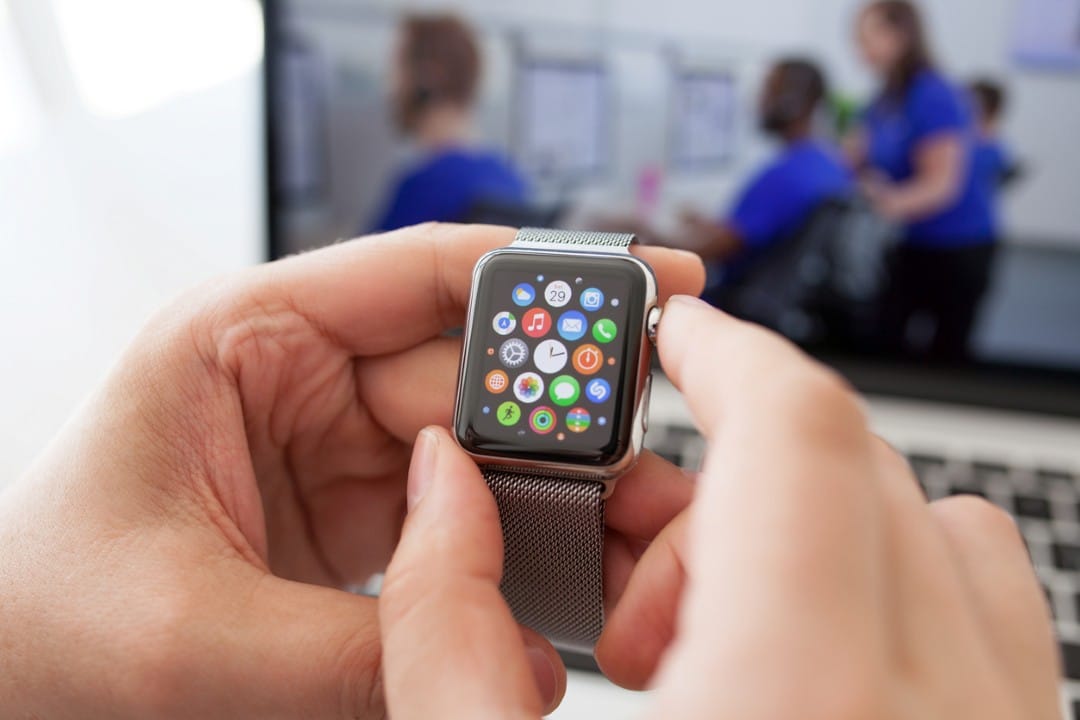
Several Apple Watch models, including the Series 6, 7, 8, SE 2 and the original Ultra, will not receive the update to watchOS 27, the latest version of the operating system for Apple’s smart watch. The decision, which affects devices launched up to four years ago, sparked discussions among users about the life cycle of devices and the need for newer hardware for new features. The technology company explained that processing capacity is crucial for delivering innovative features.
Specific models that will not have access to watchOS 27
The new version of watchOS 27, scheduled for release in the autumn of the northern hemisphere, will bring a series of innovations to the Apple Watch ecosystem. However, a significant portion of existing models will not be compatible with the new software, marking the end of support for these devices. This list ranges from models launched six years ago to those that have been on the market for a relatively short period of time.
- Devices that will not receive the update are:
- Apple Watch Series 6
- Apple Watch Series 7
- Apple Watch Series 8
- Apple Watch SE (2nd generation)
- Apple Watch Ultra (1st generation)
Hardware requirements for new features
Apple justified the incompatibility based on the demand for greater processing power that watchOS 27 innovations require. In an interview with TechRadar, Kate Dooley, marketing manager for Apple Watch and health-related products, clarified the reasons behind the exclusion of older models. According to her, the complete experience with the most advanced features directly depends on robust hardware.
Siri, which now incorporates artificial intelligence directly into the device, and new touch gestures, are examples of features that demand great processing capacity. Apple states that only the Apple Watch Series 9 or later, Ultra 2 or later, and SE 3 models have the necessary chip to operate these innovations with fluidity and comfort for the user. This integration of AI and more complex interactions is a determining factor in the update’s barrier to entry.
The software support lifecycle of Apple smart watches
The discontinuation of software support for some models raises questions about the life cycle of Apple products. The Apple Watch Series 6, for example, is in its sixth year since launch, which makes the end of software support less surprising for many, following a trend of longevity in the company’s updates for its devices. Historically, iPhones receive about five to seven years of major system updates, and this margin is often replicated in other products.
However, the end of support for the Apple Watch Series 8, the SE 2 and the original Ultra, which were launched just four years ago, is considered by many to be premature. Comparatively, the average lifespan for receiving major updates for other Apple devices tends to be longer. This perception of “prematurity” for relatively recent models may impact consumers’ purchasing decisions for future devices, as they expect a longer support period, especially for premium devices.
Implications for users and Apple’s future strategy
The inability to update to watchOS 27 means that users of affected models will not have access to new features, including AI-powered Siri improvements and more sophisticated touch gestures. Additionally, while security updates will continue for a while, the absence of new operating system versions often indicates that the device will no longer receive the latest enhancements and optimizations, which can impact the experience in the long run.
This Apple strategy reinforces the importance of hardware in its future vision for wearable devices, especially with the advancement of embedded artificial intelligence. By demanding more powerful chips for cutting-edge features, the company encourages renewal of its user base. For consumers, this means greater consideration of the product’s expected lifespan and how quickly technology advances, making it crucial to evaluate the benefits of new features versus investing in a newer device.