

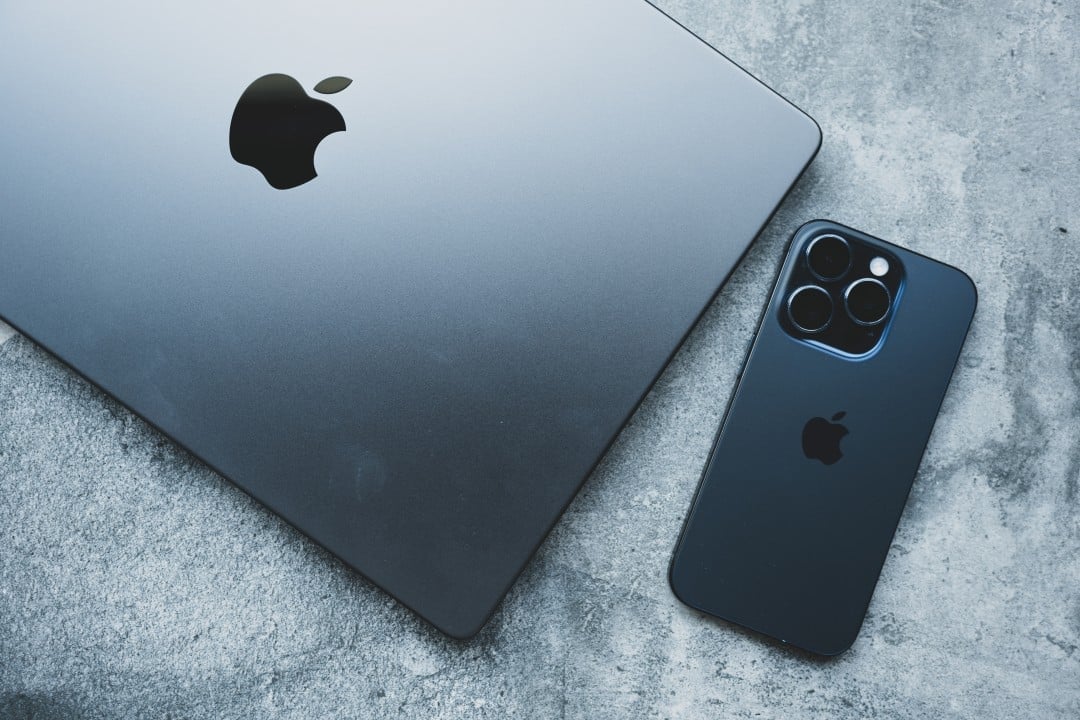
The technology giant Apple surprised one of its customers by offering a substantial upgrade to its MacBook Pro. After an unexpected defect that made repairing the equipment impossible, the company replaced a model with an M2 Max processor with an unprecedented M5 Max, in addition to granting extra credit for the purchase of accessories. The action highlights the company’s policy of dealing with product failures, especially in its high-performance line, transforming a setback into an opportunity for consumer loyalty.
Developments of an unexpected defect on the MacBook Pro
A user on the Reddit platform recently shared his experience with a technical problem on the MacBook Pro equipped with the M2 Max chip. The device, which he purchased, suddenly stopped working, without any apparent cause that could justify the failure. The situation generated considerable apprehension, given the investment associated with a device in this category.
After sending the device to Apple authorized technical assistance, the customer began waiting approximately seven weeks for a solution. The long analysis and repair period, which can be frustrating for many users of premium products, has raised doubts about the feasibility of repairing the damaged equipment.
The technological leap offered by Apple to the customer
Apple’s support team informed the consumer of the impossibility of carrying out the repair due to the lack of replacement parts compatible with the M2 Max model. Given this scenario, the company decided to go beyond simply exchanging it for similar equipment, proposing a significant upgrade. The customer received a new MacBook Pro, now equipped with the advanced M5 Max chip, a version with considerably greater processing capacity.
In addition to replacing the hardware, the user was awarded a credit of US$140. This additional amount allowed the purchase of an accessory cable and a package containing four AirTag units, expanding the benefits received. The generosity of the offer exceeded expectations, transforming an initial inconvenience into a satisfying experience for the MacBook owner.
The exact configuration details of the new MacBook Pro M5 Max were not fully specified in the original publication. However, typical characteristics of a model with this architecture, representing a notable advance in performance, include:
- 18-core CPU
- 32-core GPU
- 36GB of unified RAM memory
- 2TB of internal storage
Understanding the technology giant’s unexpected upgrades policy
This type of advantageous replacement does not represent an isolated case in Apple’s history. The company has a history of dealing with product repair or discontinuation issues by offering upgrades to newer, more powerful models. This strategy aims to maintain customer loyalty and an image of excellence in a highly competitive market, minimizing dissatisfaction caused by failures.
Practice suggests a robust internal policy, focused on user retention and transforming crises into loyalty opportunities. In past situations, notable examples include owners of MacBook Pros with Intel processors who were upgraded to models with the M4 Max chip. There have also been reports of cancellations of MacBook Pro orders with M4 Max that resulted in the delivery of M5 Max versions, indicating the company’s flexibility in managing its inventory and customer satisfaction.
This approach is particularly relevant in a scenario of rapid technological evolution, where parts availability can be a challenge for models that quickly become legacy. The frequent launch of new generations of chips reinforces the idea that Apple prefers to ensure customer satisfaction with the latest, rather than investing in maintaining components from previous versions.
The impact of these decisions on the technology market and the consumer
Apple’s actions in cases like this reverberate beyond the individual customer, influencing the expectations of other consumers and the dynamics of the premium electronics market. By offering an M5 Max chip, which represents a significant advancement over the M2 Max, the company not only solves a problem, but also redefines the standard for customer service in irrecoverable failure situations. This puts pressure on competitors to raise their own support and after-sales standards.
For consumers, the story serves as a reminder of the intrinsic value of purchasing products from brands that invest heavily in their reputation and user experience. While the AppleCare+ plan is often discussed as a form of additional protection, the company’s stance in this specific case demonstrates that, in certain circumstances, the standard warranty or customer satisfaction policy can result in substantial benefits. This approach helps mitigate the stress of having a high-cost device fail, turning a potential frustration into a demonstration of the brand’s strength in the global market.