Scientists unravel the hidden meaning behind mutual cat licking, revealing varying intentions
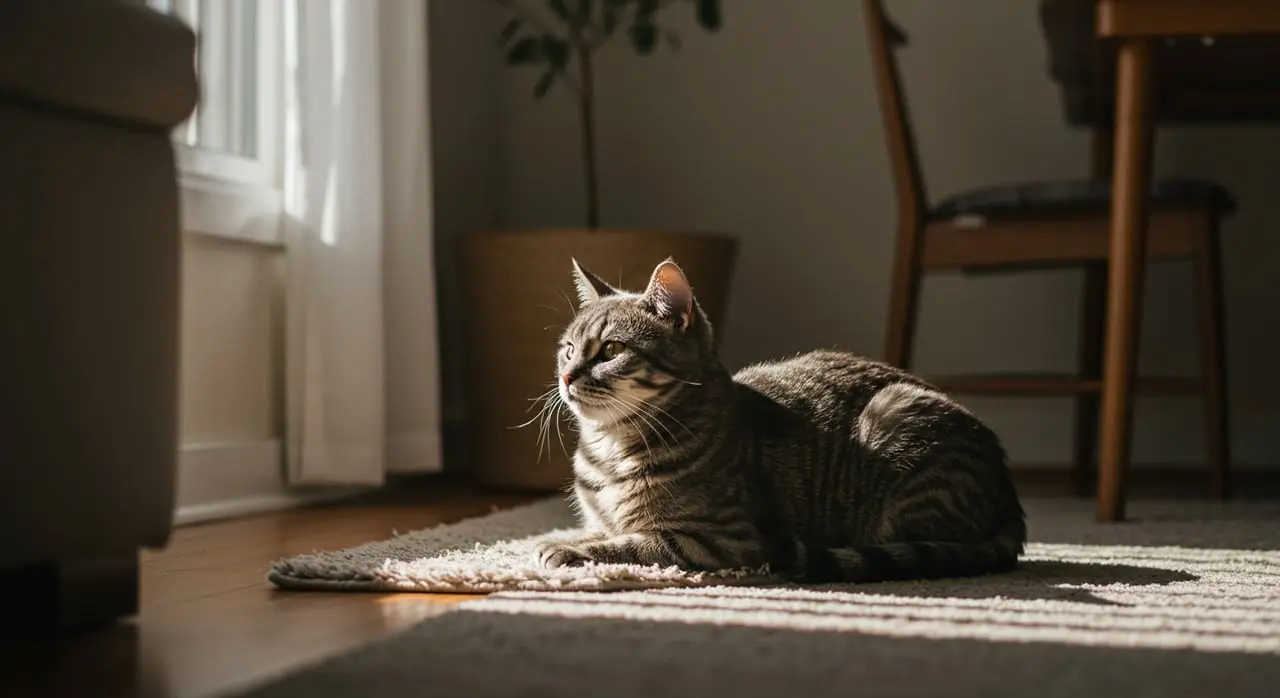
Many feline owners live with more than one cat at home and the interaction between them is not always peaceful, leading to intense meowing and conflicts. Researchers from the Universities of Ghent, Belgium, and Lincoln, UK, discovered that licking, often seen as a show of affection, can actually be an invitation to discord.
The behavior of licking another animal of the same species is called “allogrooming” and does not always indicate reciprocal affection or grooming. After analyzing videos from 53 homes with pairs of cats, scientists found that the purpose of licking varies depending on the level of connection or the existence of social tension. The results of this investigation were published May 7 in the journal Applied Animal Behavior Science.
Identifying the signs: what licking different parts of the body reveals about cats
The way to identify the intention behind a lick is in the context in which it occurs and the area of the cat’s body that is being licked, according to researchers.
When the intention is to strengthen bonds, “allogrooming” works as a tool for hygiene and relaxation. In these “good” licking situations, cats demonstrate a clear strategy, seeking physical contact to snuggle close to the animal they want to please. In 41% of records, this behavior culminated in a friendly interaction.
In addition to seeking comfort, felines also seek to harmonize their postures, sending a signal that the environment is safe for play and that it is suitable for licking behind the ears, an area rich in scent glands that are pleasant to them.
However, when the objective is to play, the licks migrate from the ears to the neck area, which is for a reason. During playful interactions between cats, which often simulate fights with rolling and light blows, the licked neck often becomes the target of bites during this scenario.
Leia Também

Messi reaches 19 goals in FIFA World Cups with great free kick for Argentina in clash with Jordan

Cristiano Ronaldo shines beyond the pitch at the 2026 World Cup with business empire and family luxury

At 41, Cristiano Ronaldo reaffirms his historic legacy and prepares to shine in the 2026 World Cup
The situation becomes more delicate when licking is used as signs of passive aggression, in a subtle dynamic that may resemble interactions on human social networks. This approach reflects cats’ reputation for being elegant creatures, preferring to issue a discreet warning rather than immediately resorting to claws and teeth to start a fight.
This form of dispute can arise, for example, when multiple cats want to occupy the same sunny place to rest. At these moments, the silent “etiquette” of these animals suggests that one cat licks the other’s neck to express its intention, while the receiver, dissatisfied, may lower its ears as a sign of annoyance.
In addition to these behaviors, other manifestations of tension were noted, including scratching, biting and pawing. However, cats are not limited to just these gestures and licking to express stress; Shaking the head, scratching behind the ears, yawning or licking the lips are also important indicators for owners to observe in their felines.