Valve makes new generation of Steam Machine official with starting price of US$1,049 due to chip crisis
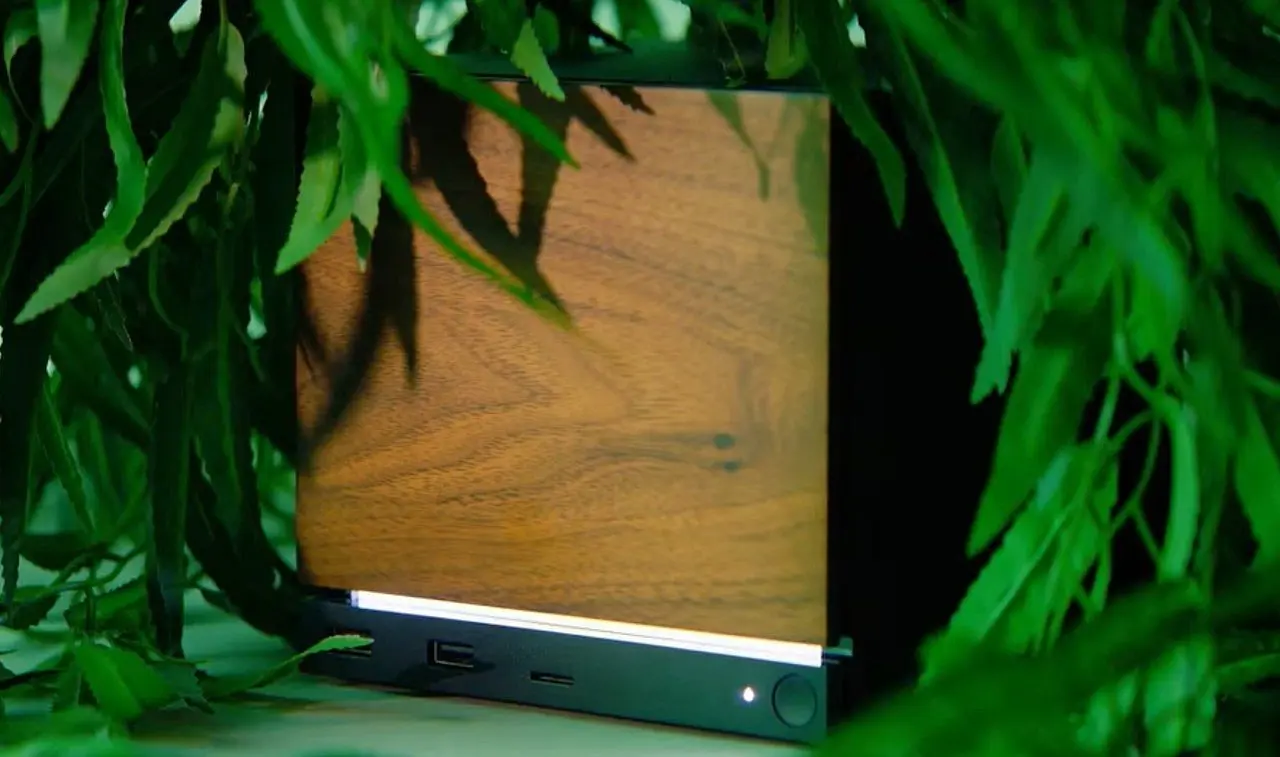
The video game industry has finally learned of Valve’s official plans for its long-awaited return to living rooms. After several rumors circulated on the internet, the developer confirmed the launch of its new hybrid equipment, which combines the versatility of a personal computer with the practicality of a console running a Linux system.
The impact of the semiconductor shortage took its toll on the project, raising the cost of the entry-level edition, equipped with 512 GB of space, to US$1,049 (around R$5,403 in direct conversion). The manufacturer explained that the global crisis in memory production was the main factor in the final value being above the initial expectations of the electronics market.
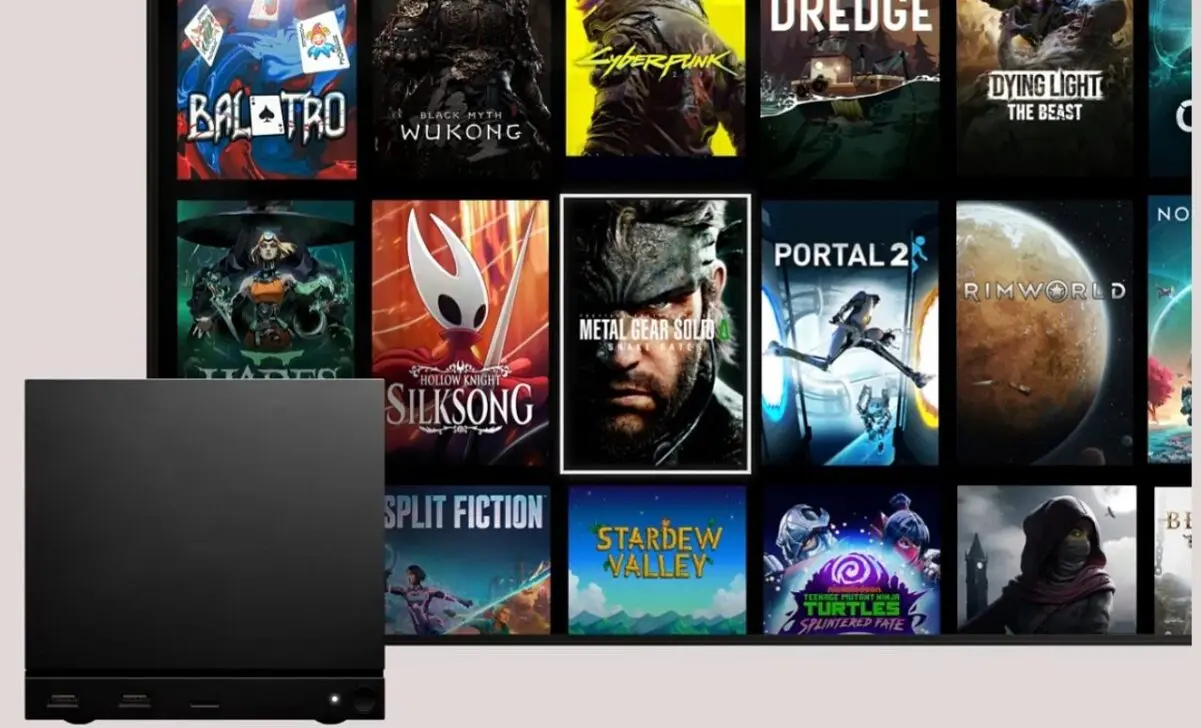
To organize demand and avoid the action of virtual scalpers, initial sales will take place under strict rules within the Steam store itself. The company adopted a random queue model for reservations, repeating the same security strategy that ensured a fairer sales flow during the arrival of the Steam Deck portable.
Those who opt for the basic model will pay US$1,049 just for the machine with NVMe SSD storage. However, the company has prepared a promotional combo for US$1,128 (approximately R$5,809) that includes the coveted Steam Controller. As the separate joystick costs US$99, the joint package offers a small saving for the consumer.
Users who require extensive game libraries will have a premium variant equipped with a 2TB capacity NVMe SSD. This rugged edition will cost $1,349 on its own, or $1,428 bundled with the official controller. As an aesthetic bonus, buyers of this more expensive model will receive two exclusive side covers to customize the look of the hardware.
Leia Também

Messi reaches 19 goals in FIFA World Cups with great free kick for Argentina in clash with Jordan

Cristiano Ronaldo shines beyond the pitch at the 2026 World Cup with business empire and family luxury

At 41, Cristiano Ronaldo reaffirms his historic legacy and prepares to shine in the 2026 World Cup
Although the investment is substantially greater than that required for a PlayStation 5 or Xbox Series X, the proposal here deviates from the traditional console war. Unlike the first failed attempt at Steam Machines in 2015, the system now has the maturity of the Proton compatibility layer, allowing the device to function as a true gaming PC with reduced dimensions, running practically any Windows title natively in the living room.
Even with this technological advantage, the price tag should still alienate a considerable portion of the casual public. The recent rise in manufacturing costs, especially in RAM memory modules, has not only made the final product more expensive, but also severely compromised the number of devices that will reach the shelves in this first phase.
The official schedule stipulates that interested parties have until June 25th to register their interest on the platform and try to secure a place in the inaugural batch. After this period, an algorithm will draw registered users, sending exclusive invitations to complete the payment or reallocating the others to a secondary waiting list.
Valve’s own leadership has been transparent in admitting that supply chain bottlenecks have drastically limited assembly capacity in factories. Because of this, the company cannot guarantee how many units will be ready on launch day, preparing fans for the real possibility of facing months of waiting until they receive the equipment.
Main specifications and internal components of the new compact computer
- Processor (CPU): Chip customized by AMD based on the Zen 4 architecture, operating with 6 physical cores and 12 threads, reaching speeds of up to 4.8 GHz under a consumption (TDP) of 30 W.
- Video card (GPU): AMD integrated graphics solution with RDNA 3 technology, delivering 28 computing units, maximum frequencies of 2.45 GHz and power limit of 110 W.
- System memory: The set features 16 GB of DDR5 standard RAM, accompanied by 8 GB of GDDR6 VRAM dedicated to graphics.
- Internal Storage: 512GB or 2TB NVMe SSD options, both equipped with high-performance microSD card reader for expansion.
- Wireless Networks and Connections: Advanced support with Wi-Fi 6E (2×2 antennas), Bluetooth version 5.3, Gigabit Ethernet network port, and a built-in 2.4 GHz wireless receiver exclusively for the Steam Controller.
- Physical inputs: The front panel has two USB-A 3.2 Gen 1 ports, while the rear houses two USB-A 2.0, one USB-C 3.2 Gen 2, as well as DisplayPort 1.4 video outputs (supporting 4K at 240 Hz or 8K at 60 Hz) and HDMI 2.0 (limited to 4K at 120 Hz).
- Additional features: The system supports HDR images, AMD FreeSync technology, monitor chaining via DisplayPort, CEC media control via HDMI and features a light strip with 17 fully customizable RGB LEDs.
- Base software: The device runs the third version of SteamOS, built on the Arch Linux distribution and using the KDE Plasma user interface.
- Physical dimensions and weight: The chassis measures 156 x 152 x 162.4 mm (with a height of 148 mm if you remove the support base), weighing approximately 2.6 kg.