

Renowned game developer CD Projekt has announced a fundamental change to its corporate identity, officially rebranding as CD Projekt RED. The change, approved at a meeting by a broad majority of shareholders, unifies the business group’s brand with the name of its best-known game creation division. This decision reflects a strategic move by the Polish company to consolidate its image and focus in the digital entertainment sector.
Previously, “CD Projekt RED” was the exclusive label of the studios responsible for the company’s most famous titles. Now, this nomenclature will cover all of the group’s operations, aligning public perception and internal positioning. The objective is to strengthen the brand globally and signal a clear direction to investors and consumers about the organization’s core purpose in the market.
Strengthening identity in the global gaming landscape
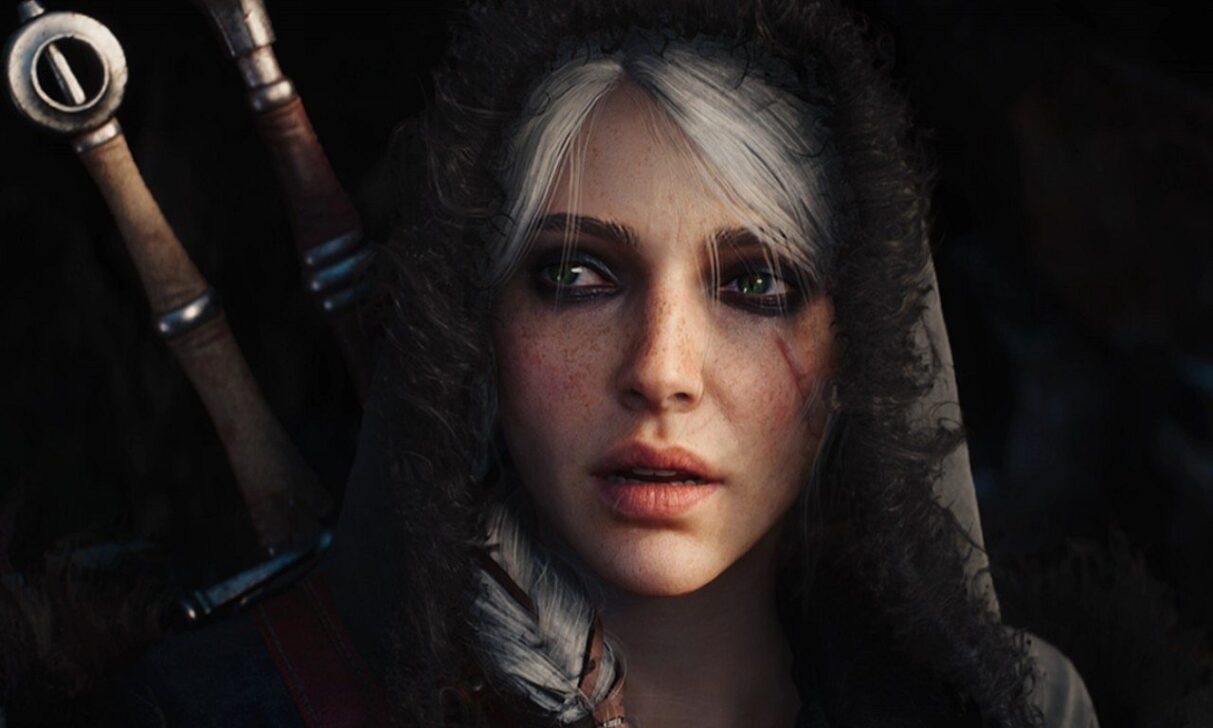
The transition to CD Projekt RED aims to capitalize on the international recognition that the “RED” name already has among fans and professionals in the video game industry. This division, responsible for big hits like The Witcher series, has built a reputation for quality and innovation over the years. Adopting a unified name can simplify company communication and optimize marketing campaigns across multiple platforms.
Furthermore, the measure is strategic for attracting new talent in the competitive software development market. A strong name directly associated with game creation can attract professionals looking to work on large-scale projects with global impact. The expectation is that this new identity will reinforce the company’s attractiveness as an employer and business partner.
The post-GOG turn: the exclusive focus on game development
This rebranding does not happen in isolation, but rather as part of a larger strategic reorientation of the company. At the end of the previous year, CD Projekt completed the sale of the GOG.com platform, a move that signaled the company’s intention to direct resources and attention exclusively to the creation and publishing of games. The decision to incorporate “RED” into the group’s main name seals this commitment.
The sale of GOG allowed CD Projekt to fully focus on its development studios, freeing up capital and management capacity. This is crucial for a company looking to rebuild and consolidate its position following recent challenges, such as the troubled launch of Cyberpunk 2077. The new structure aims to ensure that the company can dedicate all of its efforts and talents to its core products.
Next steps for CD Projekt RED
The future of the now officially CD Projekt RED is strongly linked to ambitious projects that are already underway. Among them, the highly anticipated The Witcher IV, known internally as Project Polaris, stands out, which promises to continue one of the most successful franchises in the history of video games. This title represents one of the pillars for the reconstruction and advancement of the company under its new identity.
The strategy of focusing on large franchises and a leaner, more efficient production line is an indication of the company’s maturity. The aim is to avoid problems faced in the past and ensure that future releases meet the public’s high expectations. This alignment reinforces CD Projekt RED’s long-term vision, consolidating it as a giant dedicated to interactive entertainment.
Formalization and legal recognition of the change
For the new corporate identity to be fully implemented, CD Projekt needs to go through legal and bureaucratic steps. The formalization of the change will depend on the inclusion of changes in the company’s bylaws. Next, proper registration with the state business registration authorities in Poland, the developer’s country of origin, will be required.
This process will ensure that the name change is legally recognized in all jurisdictions where the company operates. Completing these steps is essential for CD Projekt RED to fully operate under its new banner, continuing with its development and expansion plans in the global games market.