

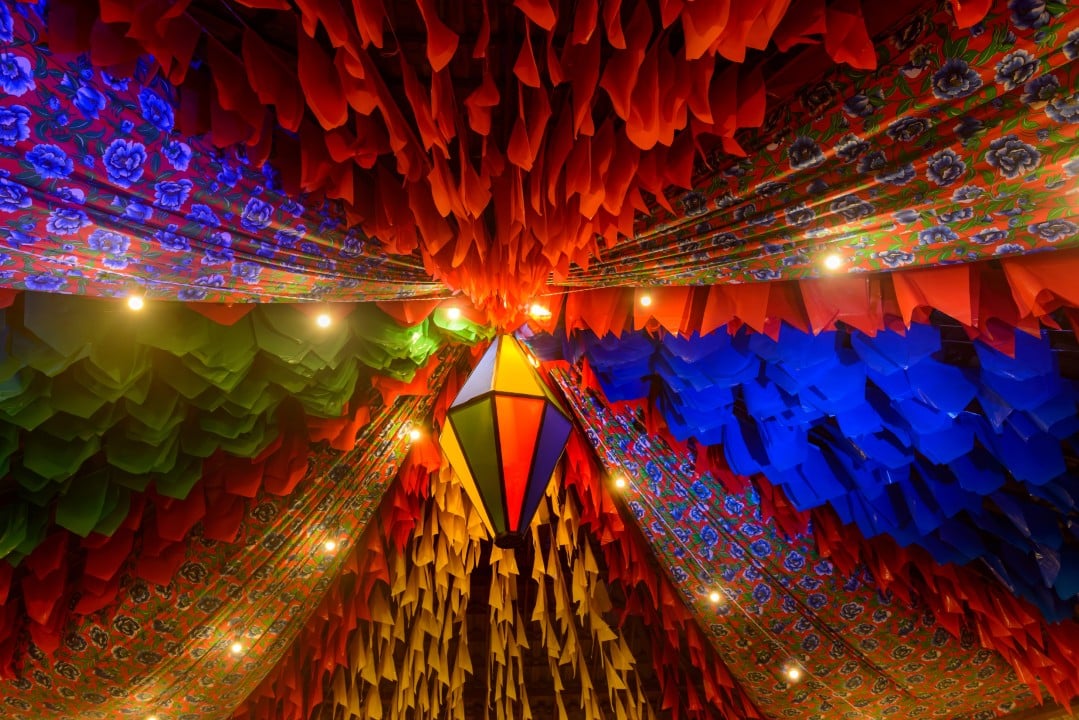
The June festivities have consolidated themselves as one of the most profound milestones in the Brazilian cultural panorama, bringing together a vast mosaic of artistic expressions, contagious rhythms, traditional choreographies and cuisine rich in typical flavors. This annual celebration, deeply rooted in national identity, transcends simple celebration, becoming a phenomenon that mobilizes communities and economies across the country.
The richness of cultural manifestations
The streets and squares of Brazil come to life with the effervescence of the São João festivities. Characterized by their typical dances, such as the square dance, and melodies that rock generations, they represent a spectacle of tradition. In addition to music and dance, cuisine plays a central role, offering dishes based on corn and peanuts, which reflect the abundance of the harvest and local inventiveness, consolidating a feast of flavors that celebrates Brazilianness.

Economic boost and parallel with carnival
With a notable impact, the São João festival actively boosts the economy in several regions of Brazil, especially in the Northeast. This festival generates a significant flow of tourism and commerce, strengthening the service sector, artisanal production and local gastronomy. Its power of economic movement and popularity are similar to that of Carnival, becoming, in many aspects, an event of equal or greater magnitude for certain locations, creating temporary jobs and boosting consumption throughout the month of June.
The historical and Catholic roots of the celebration
At the heart of the June celebrations is the tribute to important figures of Catholicism, with emphasis on June 24th, dedicated to the birth of John the Baptist, considered a relative of Jesus Christ. However, this tradition has older roots, delving into medieval European rituals linked to the summer solstice, which celebrated the fertility of the land with bonfires and dances. The Catholic Church, over the centuries, incorporated these pagan elements, redefining them and adapting them to its doctrine, resulting in the fusion of beliefs that we know today, brought to Brazil by Portuguese colonizers.
The diversity of celebrations across the country
Despite sharing basic elements, the way São João is celebrated in Brazil presents a fascinating range of regional adaptations and particular customs. This flexibility reflects the country’s immense cultural diversity, where European, indigenous and African traditions have blended to create unique festivals in every corner. From the large northeastern arraiás, known for their grandeur, to the more intimate celebrations in the South and Southeast, each location leaves its mark, making each June festival a unique experience.