Intense earthquake of magnitude 6.9 hits the coastal region of the main island of Honshu in Japan, removing the risk of a tsunami
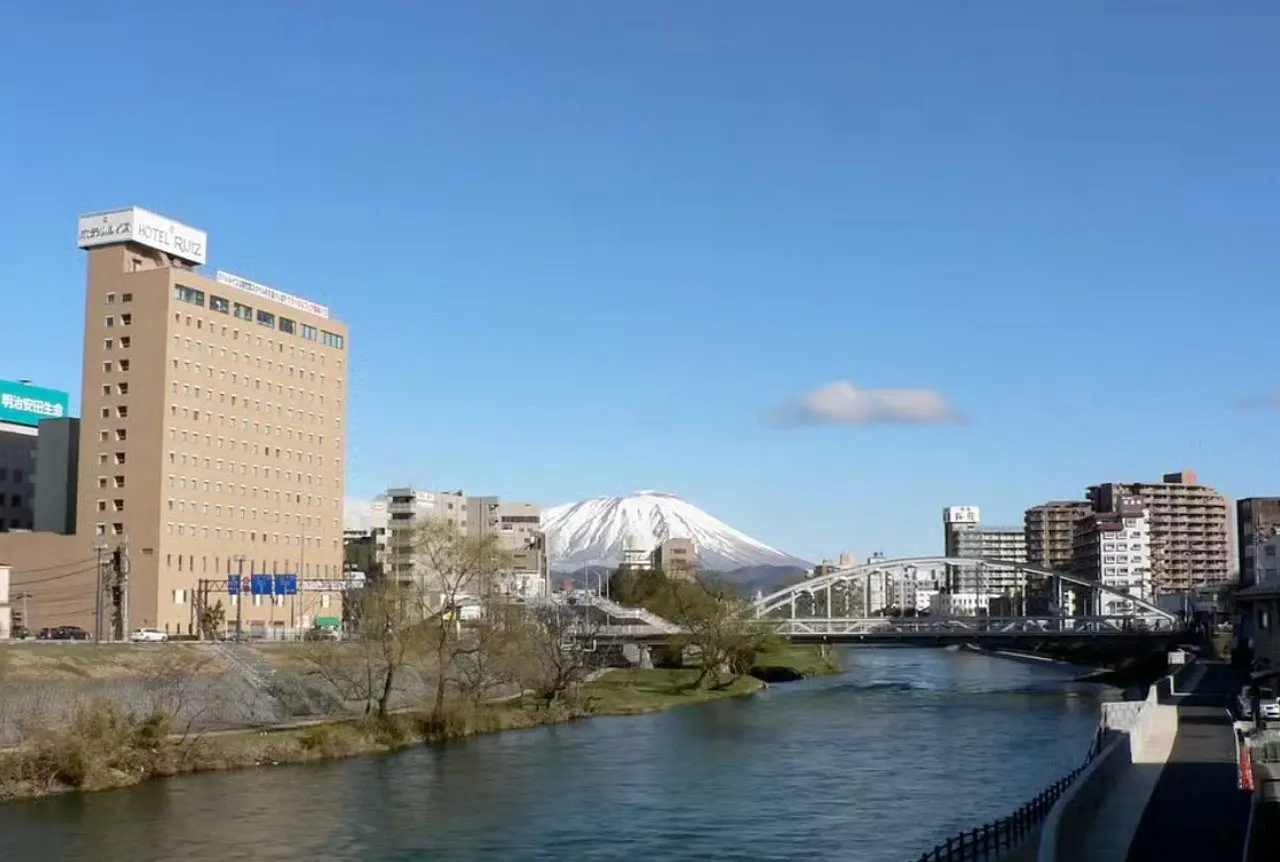
The city of Iwate, located on the east coast of the Japanese island of Honshu, was hit by a strong magnitude 6.9 earthquake on Wednesday night (24). However, the Euro-Mediterranean Seismological Center ruled out the need to issue a tsunami warning for the affected region.
The epicenter of the tremor, which occurred in the northeast of the archipelago, was located in the ocean, close to the main island of Honshu, approximately 50 kilometers deep. To date, no injuries or fatalities have been reported as a result of the incident.
In Aomori Prefecture, the earthquake was perceived with an intensity classified as 6+ on the local seismic scale. This level means that it is practically impossible to stand or move around without resorting to crawling, indicating a considerable shock.
In an almost simultaneous event, the South American continent witnessed two other earthquakes, of magnitudes 7.2 and 7.5, occurring in Venezuela. These tremors, in turn, triggered a tidal wave warning for Caribbean locations such as Puerto Rico, Aruba and the US Virgin Islands.
Tohoku, the company responsible for energy distribution in the region, reported that its Onagawa and Higashidori nuclear plants did not suffer damage after the earthquake. At the same time, East Japan Railway, a rail transport operator, temporarily suspended some services, including Tohoku Shinkansen bullet train routes.
Leia Também

VAR decides to cancel Colombia’s goal against Portugal after a thorough analysis of the tip of the boot, impacting the classification in Group K of the 2026 World Cup

Lautaro Martínez simply scores a great penalty in Jordan x Argentina at the 2026 World Cup

Rota officer and family member of Eloá Pimentel is ambushed by gunfire at a traffic light in ABC Paulista
The occurrence of earthquakes is a frequent reality in Japan, which is among the nations with the greatest global seismic activity. The archipelago is located on the so-called “Pacific Ring of Fire”, an area of intense tectonic activity, and records approximately one fifth of all earthquakes of magnitude 6 or greater on the planet.
With a population of 125 million people, the archipelago country annually experiences hundreds of seismic shocks, reiterating its status as a zone of high geological instability.