Quota policy for electric vehicles benefits Chinese companies and worries rental companies listed on B3
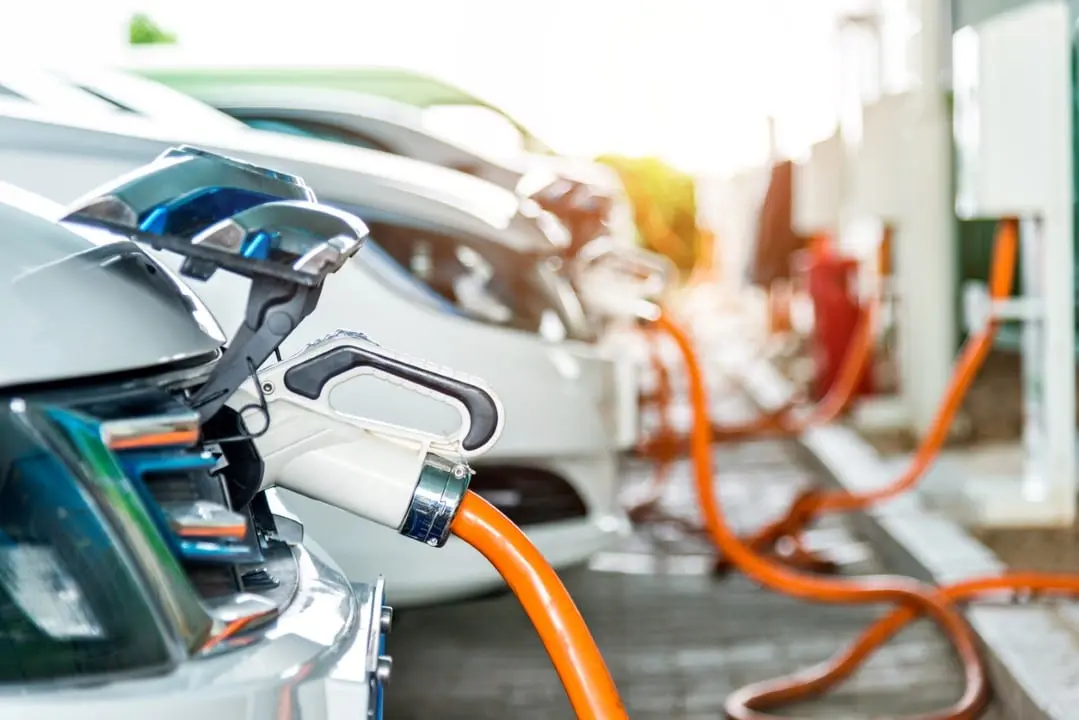
The Brazilian automotive market is experiencing a period of significant transformation, driven by new government regulations that seek to promote the national electric vehicle industry. A recent quota policy for the import of these automobiles is redesigning the competitive landscape, bringing great benefits to Chinese manufacturers that invest in local production, while at the same time generating considerable apprehension among the country’s largest car rental companies, whose shares are traded on the São Paulo Stock Exchange (B3).
New guidelines for importing electric vehicles in Brazil
The federal government implemented a quota regime for imported electric and hybrid vehicles, marking a turning point in the national fleet’s electrification strategy. The main objective is to encourage local production and technology transfer, with the gradual reintroduction of the Import Tax (II). This measure progressively increases the rates, which started at 10% in January 2024 and will reach 35% by mid-2026, varying depending on the type of vehicle (electric, hybrid or plug-in).
The initiative establishes a limited volume of imports that still benefit from reduced rates before the full tax is applied. This volume, however, is intrinsically linked to local production capacity. In other words, companies that already have or are building factories in Brazil have access to more generous import quotas, while those that depend exclusively on imports face increasing costs. The Brazilian Electric Vehicle Association (ABVE) supports the measure, seeing it as an essential step for the country’s industrial development.
Strategic rise of Asian manufacturers on the national scene
Companies like BYD and GWM, Chinese giants in the electric vehicle sector, are positioning themselves extremely advantageously within this new regulatory framework. Both companies announced robust investments in the installation of factories in Brazil, transforming old industrial units into cutting-edge production centers for electrified vehicles. This strategy allows them to qualify for the most favorable import quotas, ensuring a continuous flow of vehicles at competitive prices while their local plants do not reach full capacity.
By producing locally, these automakers not only avoid the highest Import Tax rates for their models manufactured in the country, but also gain flexibility to import complementary models from their global line with controlled costs. This approach gives them a significant competitive advantage, allowing them to expand their presence and dominate a rapidly expanding market, with a diversified offer aligned with new Brazilian tax requirements.
Scenario of concern for B3 car rental companies
While Chinese manufacturers celebrate the new quotas, large car rental companies listed on B3, such as Localiza, Movida and Unidas (which is part of Localiza), observe the scenario with growing concern. These companies depend heavily on importing electric vehicles, especially those of Asian origin, due to their cost-benefit and the variety of models available. The current structure of the quota policy, which favors national production, can drastically increase the acquisition costs of its fleets.
One of the main challenges lies in the fact that the Brazilian EV industrial park is still incipient, with few options for locally produced electric models that meet the needs and scale of rental companies. Reliance on imports to renew and expand their electric fleets will mean paying higher taxes, which translates into a considerable increase in operating costs. This impact can compromise your profit margins, the competitiveness of your rental prices and even influence the performance of your shares on the stock exchange. Uncertainty about the availability and pricing of electric vehicles in the near future requires a deep review of your procurement strategies.
Leia Também

Messi reaches 19 goals in FIFA World Cups with great free kick for Argentina in clash with Jordan

Cristiano Ronaldo shines beyond the pitch at the 2026 World Cup with business empire and family luxury

At 41, Cristiano Ronaldo reaffirms his historic legacy and prepares to shine in the 2026 World Cup
Potential impact on the consumer market and the energy transition
The new quota policy and the gradual increase in the Import Tax for electric vehicles could have a direct impact on the end consumer and on the speed of Brazil’s energy transition. As imported vehicles become more expensive, the supply of more affordable models may decrease, at least in the short term, until national production gains scale and diversity. This, in turn, could slow the adoption of electric vehicles by a larger share of the population.
Furthermore, rental companies, being large car buyers and influencers of the used car market, may be forced to pass on part of this cost increase to rentals, or delay the electrification of their fleets, indirectly impacting the availability of electric vehicles for testing and use by consumers. The balance between protecting the national industry and accelerating the decarbonization of the fleet is a complex challenge, requiring constant monitoring of the effects of this policy on the market and accessibility of electric vehicles.
Future developments and projections for the automotive sector
The current scenario points to a reconfiguration of the Brazilian automotive market, with the intensification of competition and the need for adaptation on the part of all actors involved. For rental companies, the search for new acquisition strategies, partnerships with local manufacturers or renegotiation of purchase terms with importers will be essential to mitigate financial impacts. For Chinese manufacturers, the policy reinforces their commitment to Brazil as a production and export hub.
Industry experts predict that the next few years will be crucial for the consolidation of the new rules. The responsiveness of the national industry to meet the demand for electric vehicles at competitive prices and the agility of rental companies in adapting to the new tax environment will determine the sustainability of the sector’s growth. The government, in turn, will need to adjust policy according to the development of the local production chain, ensuring that industrialization and energy transition objectives are achieved without creating excessive barriers to the adoption of cleaner technologies.