Cattle market: price difference between calves and live cattle intensifies at the end of June, affecting producers
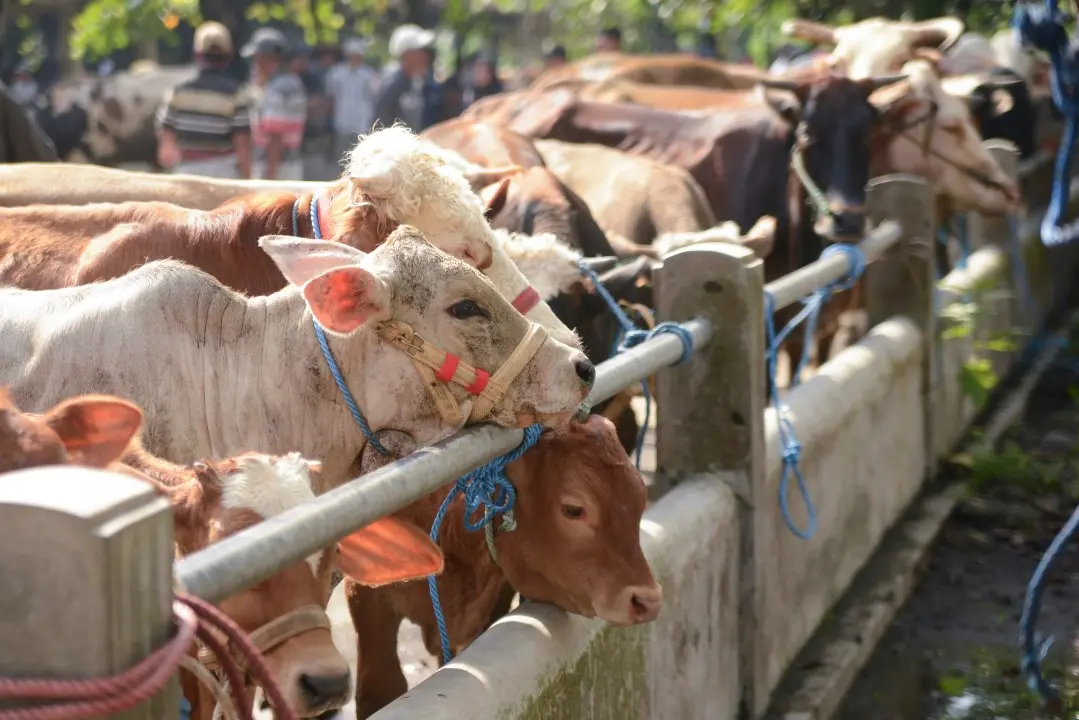
The price of calves demonstrated greater stability during the second half of June, contrasting with the price of live cattle, which registered a drop in the same period.
This replacement category, fundamental for the livestock cycle, tends to remain more stabilized in the short term, influenced by the drop observed in the values of live cattle. This behavior is often verified annually, as recent surveys of the sector indicate.
A detailed analysis reveals the nominal daily trajectory of the value of calves in Mato Grosso do Sul, according to data from Cepea, expressed in Reais per head, since the year 2024.
In the partial evaluation of June (24th), the price of calves remained practically unchanged in relation to the closing of the first half of the month, with a minimum reduction of 0.1%. Compared to the closing value of May, the drop was just 0.7%.
On the other hand, the price of live cattle (Cepea) came under greater pressure, showing a drop of 3.7% in June (until the 24th) compared to the end of the first fortnight. The retraction was 2.6% compared to the last price in May.
It is observed that live cattle continue to be under pressure in June, with forecasts that this trend will continue in the short term. This scenario is driven by a supply of animals for slaughter that well meets industry demand and by fears related to the possible reaching of the quota limit for Brazilian beef exports to China.
The data also shows the daily nominal evolution of the price of cattle, measured by Cepea in Reais per arroba, with records since 2024.
Given the instability in short-term cattle prices, the futures market for the commodity remains volatile and susceptible to speculation, keeping expected prices for the nearest maturities below the value on the physical market.
Leia Também

Messi reaches 19 goals in FIFA World Cups with great free kick for Argentina in clash with Jordan

Cristiano Ronaldo shines beyond the pitch at the 2026 World Cup with business empire and family luxury

At 41, Cristiano Ronaldo reaffirms his historic legacy and prepares to shine in the 2026 World Cup
However, despite the immediate negative pressure, the expectation is for market appreciation, especially in the last months of the year. For this period, a smaller supply of animals ready for slaughter is expected and an increase in the industry’s demand for beef, aiming to meet Chinese purchases with the prospect of shipments in 2027.
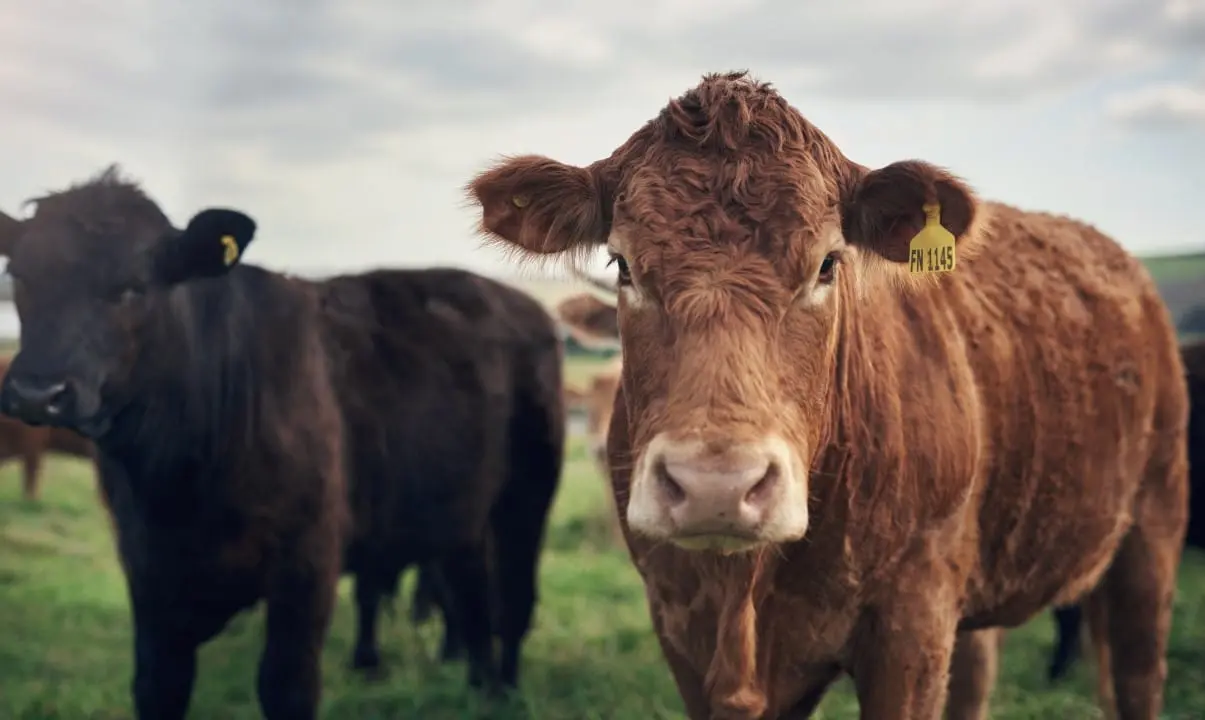
With the greater stability of the calf in a more fragile market scenario for live cattle, the premium in the replacement category grew again, resulting in significant pressure on the purchasing power of cattle farmers who need to replace their herd. This dynamic creates a challenge for producers, who face an unfavorable exchange ratio, making planning and herd management more complex.
The decoupling of calf and cattle prices increased again in June. In the accumulated result for 2025, until June (the 22nd), the price of calves (Cepea, Mato Grosso do Sul) registered an increase of 10.7% compared to the last price charged in 2025. In the same period, the price of live cattle (Cepea) rose to a lesser extent, 6.7%.
Another relevant analysis illustrates the accumulated daily variation in the prices of calves (Cepea, Mato Grosso do Sul) and cattle (Cepea) throughout 2026, based on the closing value of 2025.
On a related topic, Brazilian beef exports to Russia in 2026 maintain an accelerated growth rate compared to previous years. Despite this progress, volumes are still well below historically recorded levels.
It is crucial to note that Brazilian beef is gaining increasing competitiveness on the international stage. The increase in purchases is not restricted to Russia alone, as the United States and the European Union also showed robust growth in the pace of acquisitions in 2026. Even with this strong external demand, Brazilian beef exports recorded a drop in June, considering data up to the third week of the month. This reduction in the pace of shipments led to a recovery in future prices for live cattle for July 2026, a possible reflection of the expectation that the beef export quota, without additional tariffs, will be reached over a longer period of time.