

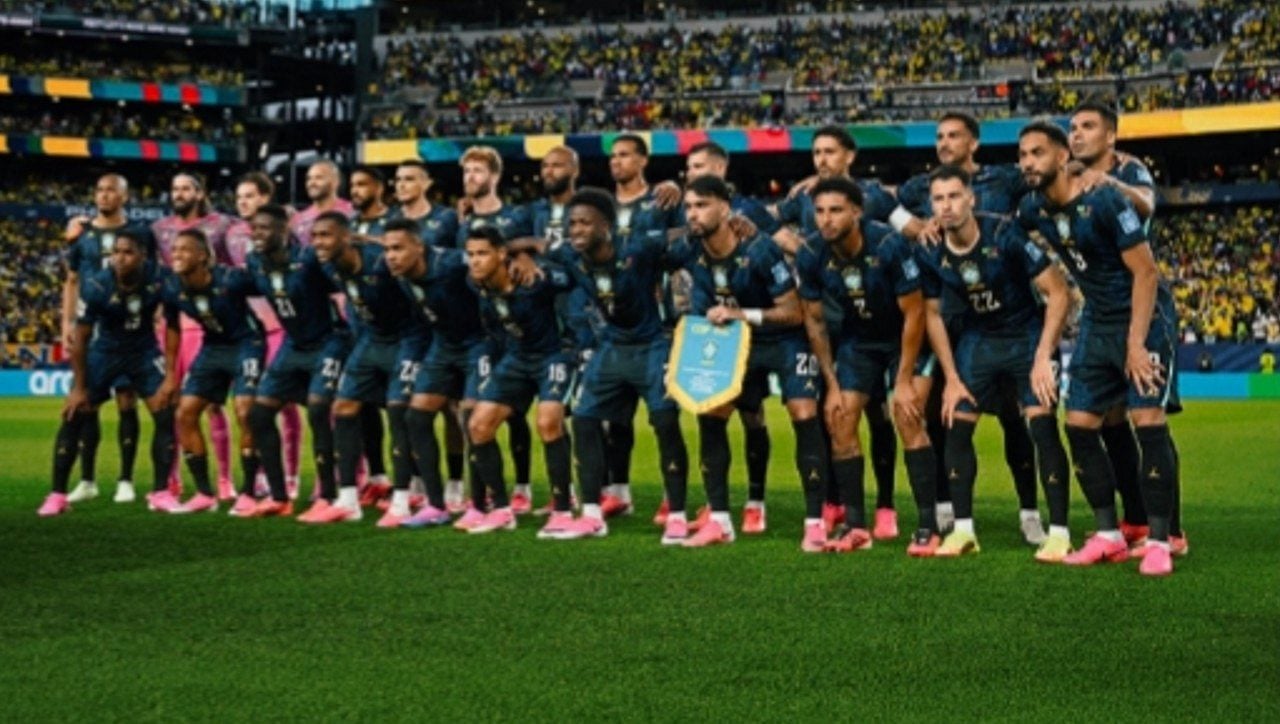
Those who follow the FIFA World Cup games this year have already noticed an invasion of shoes in vibrant tones on the feet of the biggest stars on the planet. However, what appears to be a personal style choice by players is, in fact, the result of a detailed commercial plan drawn up years in advance by the global sports industry.
The influence of trend agencies on the design of high-performance equipment
The dominance of this specific chromatic palette on the pitch was anticipated by experts in consumer behavior long before the ball rolled. Two years ago, in 2024, the trends agency WGSN pointed out that intense variations, called “electric fuchsia”, would dominate the global aesthetic scene in 2026. As the development cycle for cutting-edge sports materials takes, on average, 18 to 24 months from draft to shelf, the sector’s giants needed to rely on these projections to design the collections that are on the field today.

According to image management specialist Nâmbia Waked, this choice did not occur by chance or isolated intuition. The professional explains that eye-catching tones were already being mapped by international analysts as major bets for the near future, mainly due to their ease in capturing the viewer’s attention and generating high levels of interaction on digital platforms.
The balance between tactical visibility on the field and financial return for corporations
Although the vibrant hue helps athletes identify the positioning of their teammates during quick plays, the true objective of this visual standardization is corporate profit. Nambia Waked details that sports corporations consume the same global reports to identify sales opportunities that work in both high-performance sport and urban casual fashion. The high cost of technological research and the extended manufacturing time force these companies to blindly rely on trend analysis to ensure that million-dollar investments in new product lines bring the expected revenue.
The curious visual standardization between the biggest rivals in the global sports market
All this alignment of information generated a peculiar phenomenon in the FIFA tournament, causing major competitors to converge in exactly the same aesthetic direction. Among the giants that adopted the fuchsia palette in their main launches are:
- Nike;
- Adidas;
- Cougar;
- New Balance.
For the image analyst, this unanimity proves the absolute weight that consumer forecasting agencies exert over the industry, but it also raises a valid question about the real capacity of companies to create truly unique identities and stand out in an authentic way.
The strategist reinforces this contradiction when analyzing the behavior of manufacturers today. According to Waked, the most intriguing fact is not the adoption of the flashy tone itself, but the absolute agreement of all corporations to use exactly the same color palette, proving that, despite all the planning and search for differentiation, the brands ended up delivering practically identical aesthetic solutions to end consumers.
The impact of the biggest football tournament on the consolidation of global fashions
With a global audience in the billions, the selection competition serves as a gigantic showcase for corporate strategies that were designed in secret in design offices. In the year 2026, the fuchsia invasion proved that the color has definitely broken the barriers of the fashion catwalks to consolidate itself as a symbol of power, engagement and marketing within the most popular sport on the planet.