Oil tankers resume crossing the Strait of Hormuz amid UN plan and warnings from Iran
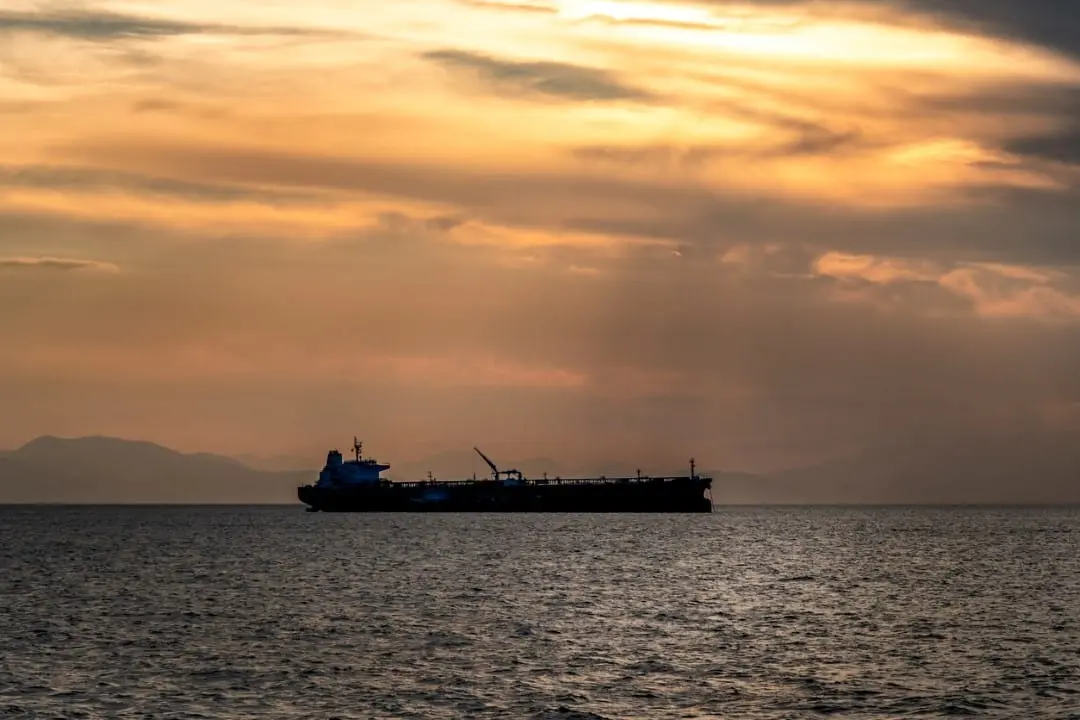
Tankers have resumed crossing the Strait of Hormuz in significant volume, using a route along the coast of Oman that was promoted by a United Nations maritime agency. This movement takes place despite Iran’s warnings about the security of the passages. The strait is a vital shipping channel for global oil transport, and its stability is crucial for the energy market.
Tanker traffic records significant growth
Recent data from analytics firm Kpler indicates that confirmed crossings of the Strait of Hormuz have increased to 70 in a single day. This number represents an increase of 105% compared to the previous day. The majority of these transits were carried out by commercial vessels classified as low risk, demonstrating general caution in transport.
UN strategy to strengthen security in the region
The International Maritime Organization (IMO), a UN agency, launched an evacuation operation for more than 11,000 seafarers who were in the strait area. The plan aims to restore confidence and air traffic in the region, which is responsible for around 20% of global oil flows. The IMO initiative seeks to mitigate risks and ensure the continuity of operations.
Under the established scheme, vessels can choose two different routes to cross the strait. One of them follows the northern coast, closer to the Iranian coast, while the other uses the waters of Oman and the United Arab Emirates on the southern route. After contacting maritime operations centers, vessels carry out their own risk assessment before choosing passage. The IMO aims to increase the number of transits to pre-conflict levels, which were around 130 per day.
Arsenio Dominguez, IMO secretary general, said the organization will work in close collaboration with Iran, Oman, other coastal countries, the United States and the maritime industry to implement the evacuation plan. The measure seeks to reduce tension and fatalities, as 14 seafarers have lost their lives in the strait since the start of the conflict between the US-Israel and Iran.
Persistent tensions: Iran warnings and routes considered “safe”
Despite the UN plan and the increase in traffic, Iran maintains its vigilant stance over control of the strait. The Persian Gulf Straits Authority, the Iranian agency responsible for managing the canal, requires that all vessels have a valid permit to transit. This requirement reinforces Iranian sovereignty over one of the most important maritime routes in the world.
Simultaneously, the Islamic Revolutionary Guard Corps (IRGC) navy declared that only channels designated by Iran are considered “safe routes” for passage. This statement, reported by the Islamic Republic News Agency, creates a new point of friction. The company Kpler has already warned that the IRGC’s ban on the use of the Oman route “could create a new source of contention” in the region, even after a memorandum of understanding between the US and Iran generated a “short-term confidence boost” by lifting the naval blockade of Iranian ports.
Leia Também

VAR decides to cancel Colombia’s goal against Portugal after a thorough analysis of the tip of the boot, impacting the classification in Group K of the 2026 World Cup

Lautaro Martínez simply scores a great penalty in Jordan x Argentina at the 2026 World Cup

Rota officer and family member of Eloá Pimentel is ambushed by gunfire at a traffic light in ABC Paulista
Implications for the global oil market and gasoline prices
Despite the intensification of activities in the Strait of Hormuz and geopolitical tensions, oil prices on the international market have been falling. A barrel of Brent Crude, a global reference, is being traded below US$74, a value that is in line with pre-conflict levels. Likewise, West Texas Intermediate (WTI) crude is below $71 per barrel.
This reduction in oil prices has a direct impact on fuel pumps in the United States. The national average price of regular gasoline has fallen to less than $3.92 per gallon, according to AAA data. This amount is significantly lower than the more than US$4.50 recorded a month earlier. Oil expert Patrick De Haan noted that U.S. gasoline prices are declining 5% faster than in 2022, when costs soared following Russia’s invasion of Ukraine, indicating a more agile market recovery.
The Strait of Hormuz: a global flashpoint
The strategic importance of the Strait of Hormuz goes beyond oil transport numbers. Its geographic location makes it an essential bottleneck connecting the Persian Gulf’s main oil producers to the rest of the world.
- Strategic point:It connects the Persian Gulf to the Arabian Sea and, consequently, to the Indian Ocean.
- Oil flow:Around 20% of the volume of oil consumed globally passes through this route, in addition to a third of liquefied natural gas (LNG).
- Dependent producers:Countries such as Saudi Arabia, the United Arab Emirates, Iraq, Kuwait and Iran itself depend directly on the strait to transport their production.
- Energy security:Any disruption in the Strait of Hormuz could have an immediate and significant impact on global energy supplies, leading to dramatic increases in oil prices and global economic instability.
The current dynamics in the Strait of Hormuz reflect the complex interplay between international maritime security, the geopolitical interests of great powers, and the global economy. The UN plan, along with Iran’s warnings, underscores the fragility and importance of this vital trade and energy corridor.