

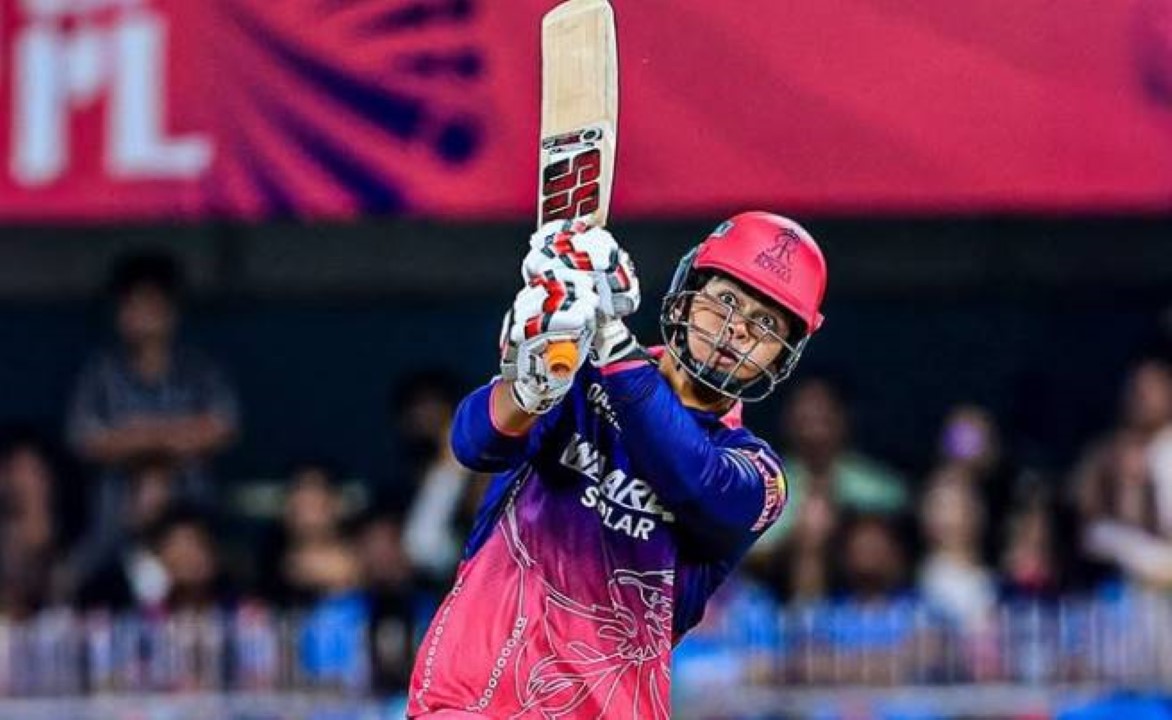
Promising player Vaibhav Suryavanshi’s absence from the starting line-up of the Indian cricket team for the first T20I clash against Ireland has sparked discussions among fans. The team captain, Shreyas Iyer, went public to clarify the reasons behind the technical decision, highlighting that the strategy aims to give opportunities to other athletes and strengthen the squad in different game scenarios. The choice reflects long-term planning by the technical committee.
Captain Shreyas Iyer explains team planning
Shreyas Iyer detailed that the decision not to field Vaibhav Suryavanshi in the opening match against Ireland is part of a planned rotation. The aim is to test different player combinations and ensure that all squad members get game time, especially at a time when India are looking to improve their tactical options for future major competitions. Load management and adapting to different game pressures are crucial for developing new talent.
Opportunity for new talent and cast balance
The Indian team’s strategy focuses on developing a robust group of players, and this includes carefully managing the insertion of young talents like Suryavanshi. Captain Iyer emphasized that although Vaibhav is a player with great potential, the committee prioritizes team balance and distribution of opportunities. This allows other athletes to also demonstrate their skills and prepare for decisive moments, creating greater depth on the bench.
Implications of the choice for Suryavanshi’s career
Even though the non-roster may seem like an immediate setback for Vaibhav Suryavanshi, Indian cricket experts see the decision as part of a maturation process. It is common for young players to go through scouting and rotation phases before establishing themselves as starters. The experience of traveling with the team, training with high-level athletes and absorbing the national team’s culture is invaluable, preparing you for future chances on the international stage.
Track record of managing young players in India
India’s approach to managing its young talent is a model seen globally. The federation has a history of introducing athletes gradually, protecting them from excessive pressure and ensuring consistent development. Many of Indian cricket’s greats have gone through similar periods, alternating between the bench and the field, which has helped them build solid and long-lasting careers. This methodology aims to avoid early burnout and maximize long-term potential.
Upcoming opportunities for Vaibhav Suryavanshi
Even though he was left out of the first match, the outlook for Vaibhav Suryavanshi remains positive. The series against Ireland is just one of India’s commitments on the calendar, and new opportunities are likely to arise in subsequent games or other competitions. The coaching staff will continue to monitor his performance in training and the dedication of the athlete, who is a strong candidate for future rosters.
- Training preparation:Suryavanshi continues to actively participate in training, maintaining focus and fitness for when his chance comes.
- Future series:India has a number of games and tournaments lined up, offering multiple opportunities for new players to join.
- Long term vision:The coaching team stands by Vaibhav in their plans for the future development of Indian cricket.
- Gradual adaptation:Progressive insertion allows the player to better adapt to the pace of international cricket.