Marcelo Bielsa details the reasons for Uruguay’s fall from the World Cup and takes full responsibility By Thiago Lemos
4 min read
 |
Coach Marcelo Bielsa declared his full responsibility for the early elimination of the Uruguay team in the group stage of the 2026 World Cup, describing what happened as “frustrating” and “painful”. Exiting the world tournament was a blow to the team’s ambitions, which had expected a superior performance.
The coach’s three-year contractual relationship with the Uruguayan federation was terminated shortly after the team’s exit from the world tournament, marking the end of a period with high expectations.
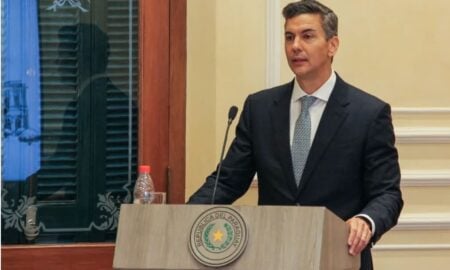
“My responsibility for the outcome is quite clear. I cannot offer justifications for the team’s final placement. In short, my management of the available athletes was not adequate,” said Bielsa during a press conference held last Tuesday (30), in Montevideo.
“Both myself, my coaching staff and the players themselves tried their best, however, the result was not as expected. I remain convinced that, even if we had adopted a different approach, the scores achieved would not have been changed”, continued the coach, reflecting on the tactical choices.
“The feeling is that we let the fans down, which is deeply frustrating. The final position we reached was totally unpredictable and difficult to conceive”, confessed Bielsa, highlighting the negative impact.
“This elimination is something that no one can accept or tolerate, especially the fans, who are the target audience for our work. This outcome is particularly painful, considering the expectations I had when starting this project and how regrettable its end was”, added the coach.
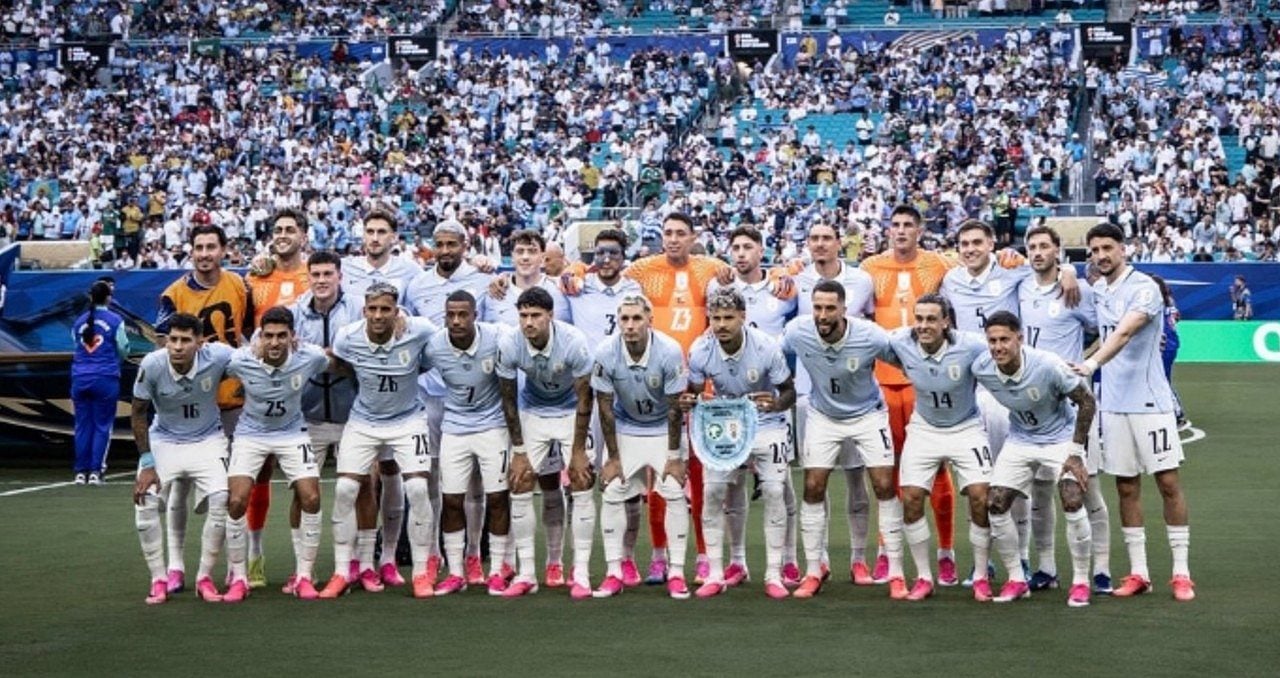
The Uruguayan team ended its participation in the 2026 World Cup with two draws, against Cape Verde and Saudi Arabia, and a defeat to Spain in the final round of the group stage, which sealed its fate in the competition.
Bielsa also clarified that he held multiple meetings with athletes during his time in charge of Uruguay, which generated discussions about training methods and the atmosphere within the squad.
“There was also a request to reduce the duration of the lectures. I have a particular way of presenting issues, and I usually opted for a certain number of presentations, but the team asked for them to be shorter, and I complied”, explained the coach, revealing the flexibility in his management.
“The presentations I gave covered topics such as the next opponent in a group format, the explanation of training exercises to optimize preparation time and analysis of past games, aiming to correct mistakes, something that I have always considered crucial”, detailed Bielsa, describing his methodology.
“The bitterness of a defeat that affects pride cannot be resolved through words; however, I will do my best to clarify some of the questions, since the only responsibility that falls to me at this moment is to express only the truth”, said the coach.
“The flexibility I adopted was necessary, as otherwise the situation would have worsened. I didn’t act on a mere whim; I had access to an immense volume of data, I synthesized it as much as I could, but the plan had no effect, and we ended up giving up”, revealed Bielsa.
Experienced striker Luis Suárez, who plays for Inter Miami, was one of the first to express criticism of Bielsa’s management back in 2024, attributing responsibility to the coach for generating internal friction in the group.
“In the future, I ask the population not to hold the players responsible if something doesn’t go well. Bielsa divided the entire squad, including the way training was conducted”, declared Suárez at the time.
Subsequent to Suárez’s demonstration, conjectures regarding the environment in the Uruguay team intensified considerably, generating debates among the press and fans.
Several publications in the Uruguayan media reported that the athletes had asked Bielsa to change tactics during the competition. Furthermore, there was clear tension between the coach and the talented midfielder Federico Valverde in the match against Spain.
“Regarding the supposed change of strategy against Spain, I can assure, primarily, that this did not occur. And if it had occurred, I would not be expressing praise for the players, but I reaffirm, it did not happen”, pointed out the coach, denying the information.
“When observing the confrontation against Spain, it is possible to see that we acted in accordance with my tactical convictions, which remained unchanged”, concluded Bielsa, defending the consistency of his work.