Keeping your vehicle up to date is essential, especially before the summer travel season begins. High temperatures and continuous use can place greater demands on the automobile, making preventive inspection a crucial step for drivers’ safety and savings.
Main maintenance actions include tire inspection, brake checks, fluid analysis, windshield wiper replacement and a complete battery test. Each of these steps ensures the car is ready for the demands of warmer weather and busy roads.
The climate of the region where the driver lives or intends to travel directly influences specific maintenance needs. In coastal areas, for example, it is vital to look for signs of rust, while in places of intense heat, the deterioration of the rubber and the functioning of the cooling system deserve special attention.
Washing the underside of your car in the spring is an essential preventive measure, especially for those who live in regions where salt is used on roads during the winter. This cleaning removes residues that can cause corrosion and preserve the vehicle’s structure.
The importance of preventive vehicle maintenance before intense heat
Preventative car maintenance in the spring is vital because the winter months can have caused significant damage to your vehicle, especially in colder climates. Exposure to snow, freezing temperatures and salt on roads can compromise several components. Ensuring that your car is in optimal condition for the warmer weather not only prevents unforeseen events, but also saves money. Neglecting these checks can lead to expensive repairs, such as replacing a damaged cooling system or rusted parts, which often cost much more than preventative maintenance, offering long-term savings for the owner.
Understand the differences between warranty and car insurance
Understanding the difference between a car warranty and auto insurance is essential. The warranty covers manufacturing defects or mechanical failures for a specific period or mileage, while insurance protects against accidents, theft, fire and damage to third parties. If the vehicle is still under warranty, preventative maintenance in the summer can be a decisive factor in avoiding cancellation of coverage in the event of failures resulting from lack of care.
Essential items for summer car check-ups anywhere in the country
Regardless of your location, some maintenance points are essential for all drivers in the summer:
- Check tire pressure and tread depth.
- Rotate the tires and confirm wheel alignment.
- Test battery operation.
- Inspect the brakes thoroughly.
- Check the cooling system hoses for leaks.
- Top up fluid levels such as coolant, windshield fluid, and brake fluid.
- Check the operation of the headlights, brake lights and turn signals.
- Replace the windshield wiper blades if they are worn.
- Check the cabin air filter and change it if it is dirty.
- Make sure the air conditioning system is operating properly.
- Wash the underside of the vehicle to remove salt and residue accumulated over the winter.
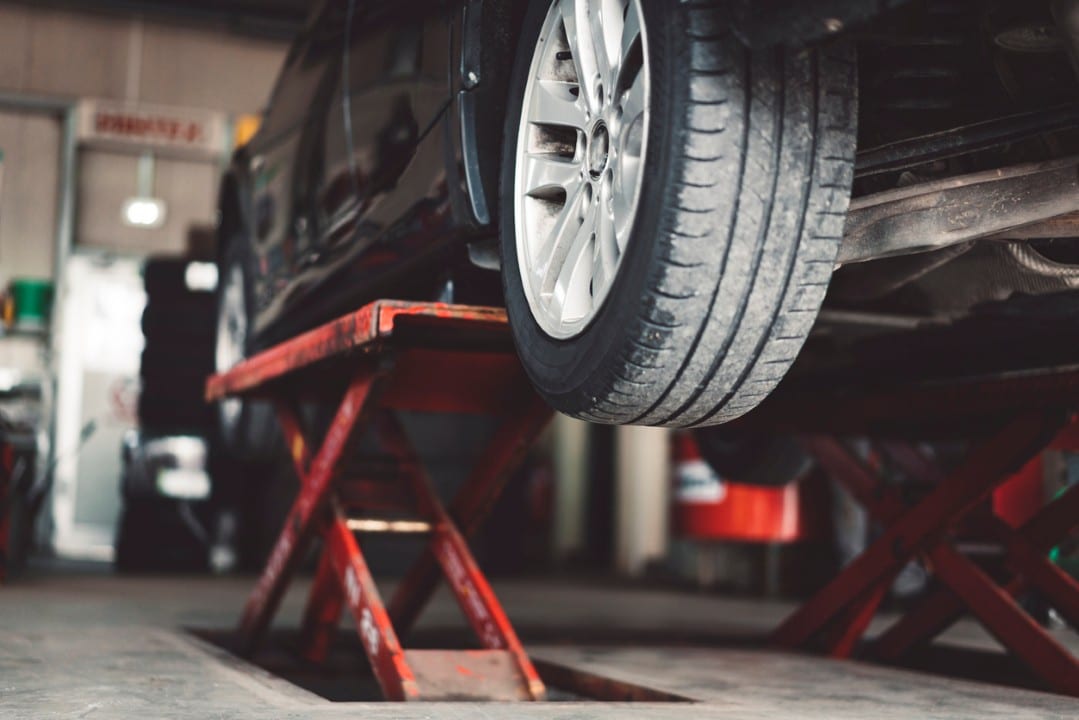
Specific care for vehicles in cold and snowy areas in summer
In regions that experience harsh winters and snow, cities often apply road salt to prevent ice buildup, which improves safety and traction. However, this practice can lead to corrosion on the underside of cars. “It is essential to wash the vehicle chassis and inspect brake lines, exhaust and frame components for rust,” recommends Daniel Gigate, brand manager at Cuescreens. He also advises checking the alignment, as “potholes and dimples caused by ice can significantly damage the alignment during a long winter.”
Vehicle maintenance for climates with intense heat and low humidity
In places with hot and dry climates, extreme heat can accelerate the wear of rubber components and place greater demands on the cooling system. Check belts and hoses for signs of dryness or cracks, ensure tires are in good condition and always keep the coolant full. It’s wise to check your air conditioning before temperatures reach their peaks. Also, examine the cabin air filter and change it if it has a lot of accumulated dirt.
Maintenance recommendations for cars in rainy and humid places
For drivers in areas with a lot of rain and humidity, attention should be focused on maintaining traction and visibility. “New windshield wiper blades are essential,” says Gigante. He suggests a simple method for checking tire tread depth: “Use a quarter; if you can see the top of Washington’s head, it means the tire is close to needing replacement.”
Additionally, you must:
- Inspect the door and trunk seals to identify possible cracks that allow moisture to enter the vehicle interior.
- Check headlights and brake lights, ensuring they are working properly to provide good visibility in stormy and foggy conditions.
Preventive measures for cars exposed to salt spray in coastal regions
In coastal areas, salt air, which carries salt water from the ocean, penetrates the air and causes corrosion in the metal components of vehicles. Drivers in these regions must:
- Perform a detailed inspection of the car for signs of rust or corrosion and wash the underside to remove any salt buildup.
- Check the battery terminals to check for corrosion, a problem that can damage the battery and compromise the electrical system.
- Inspect the wear of the rubber seals, which may be affected by humidity, and replace the components if necessary.
Top Automotive Problems to Watch Out for During the Hot Season
When preparing your car for the warmer season, there are several important points that deserve your attention to avoid setbacks:
- Low tire pressure, often caused by temperature variations.
- Damage to the suspension or wheel alignment, which can be caused by potholes in the road.
- Weakened batteries, a problem that previous cold weather may have exacerbated.
- Fluid leaks, originating from cracked hoses or seals.
- Clogged air filters, especially due to pollen that appears in spring.
- Rust and corrosion, resulting from exposure to salt, particularly in coastal regions or where salt is used on roads.
Ideal frequency for vehicle checks and maintenance
It is recommended to carry out regular maintenance on your car at least once a year, or more frequently if use is intense and daily. Although the battery may not need changing every year, it is always wise to check it before longer trips. Cleaning the underside of the vehicle in spring is advisable, especially in cold or coastal climates, where salt can accelerate rust and corrosion processes. Tasks like checking tire pressure and refilling fluids can be done every few months.
Strategies to ensure the longevity and good performance of your car
To ensure that your car runs smoothly throughout the year, it is important to pay attention to some practices:
- Perform the oil change within the time limits recommended by the manufacturer.
- Check tire pressure regularly.
- Always maintain adequate fluid levels.
- Never ignore the warning lights on the dashboard.
- Pay attention to any unusual noises the vehicle may make.
- Replace your windshield wipers as soon as they become ineffective.
- Keep the vehicle clean, paying special attention to the underside.
- Get your car’s mandatory annual inspection.
- Avoid sudden braking or sudden acceleration.
- Park your car in a garage whenever possible to protect it from the elements.
Clarifying frequently asked questions about car care
What should you check your car in the spring?
Key items to check on your car in the spring include tire pressure and tread, cabin air filter, brakes, fluid levels, windshield wipers, undercarriage, battery, headlights, brake lights, and air conditioning. Additionally, it’s crucial to look for rust, corrosion, suspension wear, and alignment issues. Deep clean the car, including the underbody, to eliminate salt build-up.
How does weather affect car maintenance?
The climate in your location directly influences the type of maintenance your vehicle requires. Drivers in coastal and cold climate regions need to be more vigilant about salt damage compared to those in hot or humid areas. On the other hand, those who live in hot or humid places should focus more on preventing cracks and the damage that humidity can cause.
When should I change my winter tires to summer tires?
According to the Kelley Blue Book (KBB), winter tire replacement should be done when the ambient temperature remains consistently above 7 degrees Celsius. Winter tires are not designed for hot climates, which can compromise their performance and accelerate wear if used outside of the appropriate season.
How often should you maintain your car?
As a general rule, your car should be serviced at least once a year. However, some tasks are based on mileage traveled rather than just time. For example, KBB suggests changing your oil every 10,000 miles, while Bridgestone recommends rotating your tires every 5,000 to 8,000 miles, or every six months.