
What Cristiano Ronaldo and Haaland eat: practical nutrition lessons for everyday life


Cristiano Ronaldo and Erling Haaland’s eating routines have become a focus of constant interest, as their remarkable physical results are evident both on and off the pitch. Cristiano Ronaldo, at 41, maintains elite performance in major competitions, while Haaland, at just 25, displays a body build that many describe as exceptional. In both cases, nutrition is a fundamental pillar for this condition.
It is interesting to note that, despite not following identical nutritional plans, the fundamentals behind each player’s choices are more similar than they appear. Most of these principles can be easily incorporated into the daily life of anyone who wants to improve their quality of life, without the need to be a high-performance athlete or have access to a specialized nutrition team.
Cristiano Ronaldo’s approach to simplicity and control
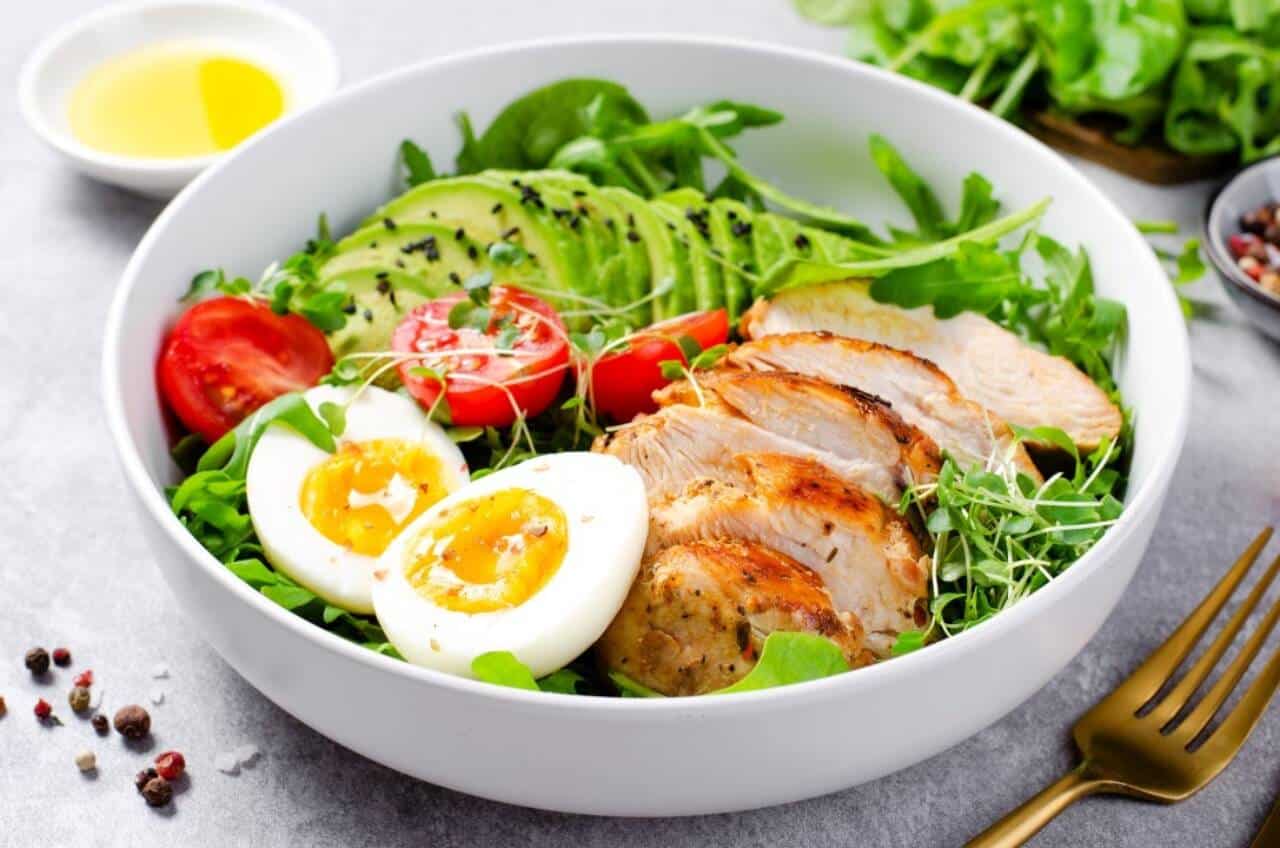
Cristiano Ronaldo’s diet is characterized by moderation and rigor. He prioritizes lean protein sources such as fish, especially cod and white fish, as well as grilled chicken, eggs, fresh salads and olive oil. Consuming between five and six smaller meals throughout the day, he eradicated alcohol, fried foods, refined sugar and ultra-processed products from his menu, maintaining a discipline that the player himself has already described as non-negotiable for his lifestyle.
Haaland prioritizes density and nutritional quality
Erling Haaland adopts a different philosophy in his diet, eating around six thousand calories daily. However, the most relevant aspect is not the quantity, but the quality of the sources from which this energy comes, demonstrating an intense focus on nutrients.
The striker gained prominence when he revealed, in his personal documentary, the regular inclusion of beef liver and heart in his diet. These foods are exceptionally rich in iron, B vitamins, magnesium and phosphorus, nutrients that are often neglected in most people’s diets. Additionally, Haaland prioritizes fresh fish, eggs, various vegetables, naturally fermented bread and, with the same determination as Ronaldo, avoids ultra-processed foods and artificial supplements.
An intriguing detail about Haaland’s diet is her inspiration from Cristiano Ronaldo. The Norwegian player incorporated the logic behind the Portuguese’s diet, adapting it to his own bodily needs and the intense volume of training he performs.

What unites athletes’ diets and their teachings to the general public
Leaving aside the specificities of each athlete, it is possible to identify several very evident common points between the diets of the two players. These fundamentals can guide anyone in search of healthier habits:
- Absolute preference for natural and minimally processed foods;
- Intake of high-quality protein at every meal of the day;
- Categorical rejection of ultra-processed foods, refined sugar and alcoholic beverages;
- Distribute food into several smaller meals throughout the day, instead of few and heavy ones;
- Valuing sleep and recovery as essential components of the nutritional strategy.

Habits that anyone can integrate into their routine
It is not necessary for most people to follow Haaland or Cristiano Ronaldo’s diet strictly. However, certain proven beneficial habits can be adopted by individuals of all activity levels:
- Include quality proteins in at least three meals a day, choosing between eggs, chicken, fish or legumes;
- Gradually replace ultra-processed products with simpler, less industrialized options;
- Give priority to fresh, natural and, preferably, locally produced foods;
- Reduce consumption of refined sugar, especially in drinks;
- Understanding sleep as an integral part of nutrition, as it is during rest that the body uses nutrients to recover and regenerate.
The diet developed for an elite player is not intended to be copied blindly. However, it is based on principles that are understandable to anyone, and a significant part of them can be very well applied in our daily lives, promoting a more balanced and healthy lifestyle.



