
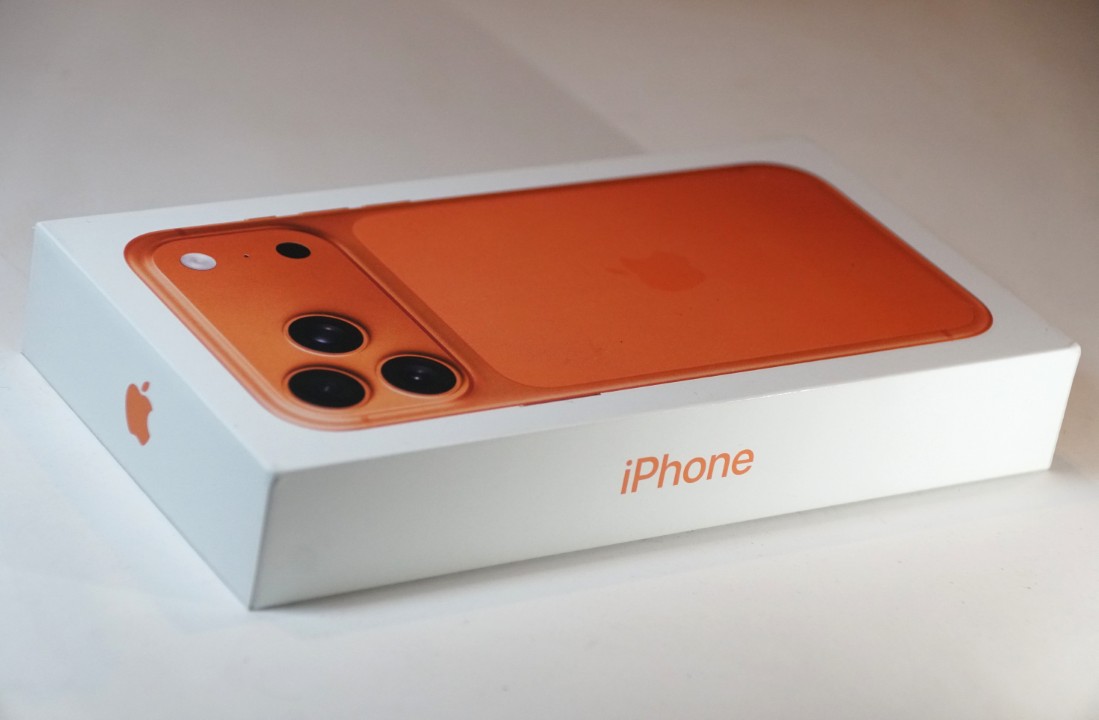
An Apple iPhone 17 Pro Max, included in a time capsule that will be opened 250 years from now, has little chance of working when it is unearthed. The device, in Cosmic Orange, was added to the America250 initiative and contains, in the Notes application, “digital artifacts” designed for future generations.
An analysis by Forbes suggests that the smartphone will be unusable. The main weakness is in the lithium-ion battery, which naturally deteriorates over time. Additionally, Apple’s restrictive policies, which include ending support for older models, may make it impossible to unlock the device, even if the hardware remains intact. The choice of an iPhone for the capsule raises the question of the durability and longevity of technological products in a world of constant innovation.
Full coverage: Latest News (EN)
The future functionality of the iPhone also depends on maintaining current infrastructure. It is necessary to consider whether, in 2276, humanity will still use the same standards of sockets, chargers, voltage and power supply, and whether Apple’s servers will remain active.

The “America Innovates” event, organized in partnership by Forbes and America250, was the stage for the device’s inclusion. There is a discussion about whether the inclusion of Apple’s device would be an intentional criticism of its strategy of “planned obsolescence”, a business model where products are designed with a limited useful life.
Learn more: Xbox disc-to-digital program emerges as solution for removed digital games
Representatives from America Innovates did not promptly respond to a request for clarification from another publication about the reasons for the iPhone’s inclusion.
The cultural significance of technology in time capsules
While the act of burying technology in a time capsule may be ineffective for practical preservation, it retains significant cultural value. The hardware will certainly fail well before two centuries, but the item serves a historical and symbolic purpose, not a merely functional one.
The inclusion of the iPhone also serves as a reflection on the contemporary perception of the digital age, highlighting the belief that we were in a definitive technological period. However, this cutting-edge technology could turn into glorified, non-biodegradable plastic waste within 250 years.
On the same topic: Unraveling the mystery: study reveals why some brains resist decomposition
The 408-kilogram time capsule holds several other items. It contains photographs, documents and objects from all three branches of government, as well as contributions from all 50 states and territories. Among the artifacts are a stainless steel rosary from Puerto Rico and a pocket Constitution with signatures of Supreme Court justices.
However, experts warn of the ineffectiveness of time capsules in preserving information. Factors such as the presence of underground water contribute to this fragility. A 2019 study found that around 99% of the capsules unearthed were destroyed or, in some cases, simply punctured.
Blogger Matt Novak of Paleofuture expressed to Mental Floss that “burying something is literally the worst way to preserve it for future generations, yet we keep doing it.”
The inclusion of an iPhone is not the first time an Apple product has been placed in a time capsule. In 2013, a “Steve Jobs time capsule”, thought to be lost for 30 years, was found with an Apple mouse inside. The discovery also revealed a six-pack of Ballantine beer and a Rubik’s Cube.