Unraveling the mystery: study reveals why some brains resist decomposition
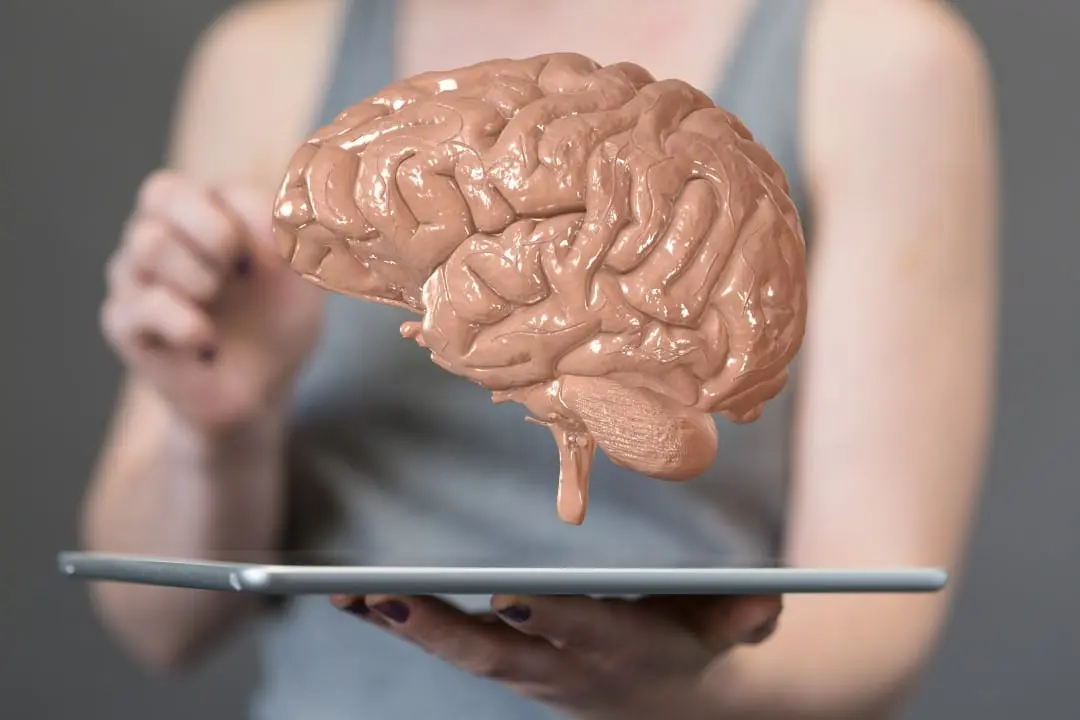
Recent research has shed new light on one of the most intriguing phenomena in biology and archaeology: the preservation of human brains long after death. Published by scientists at the University of Oxford, the study deciphers the chemical mechanism behind the remarkable resilience of some brain tissues, which remain intact for centuries. The discovery not only satisfies scientific curiosity, but also promises vast implications for understanding neurological diseases and analyzing remains of past civilizations.
The chemical mechanism behind the brain’s resistance to decay
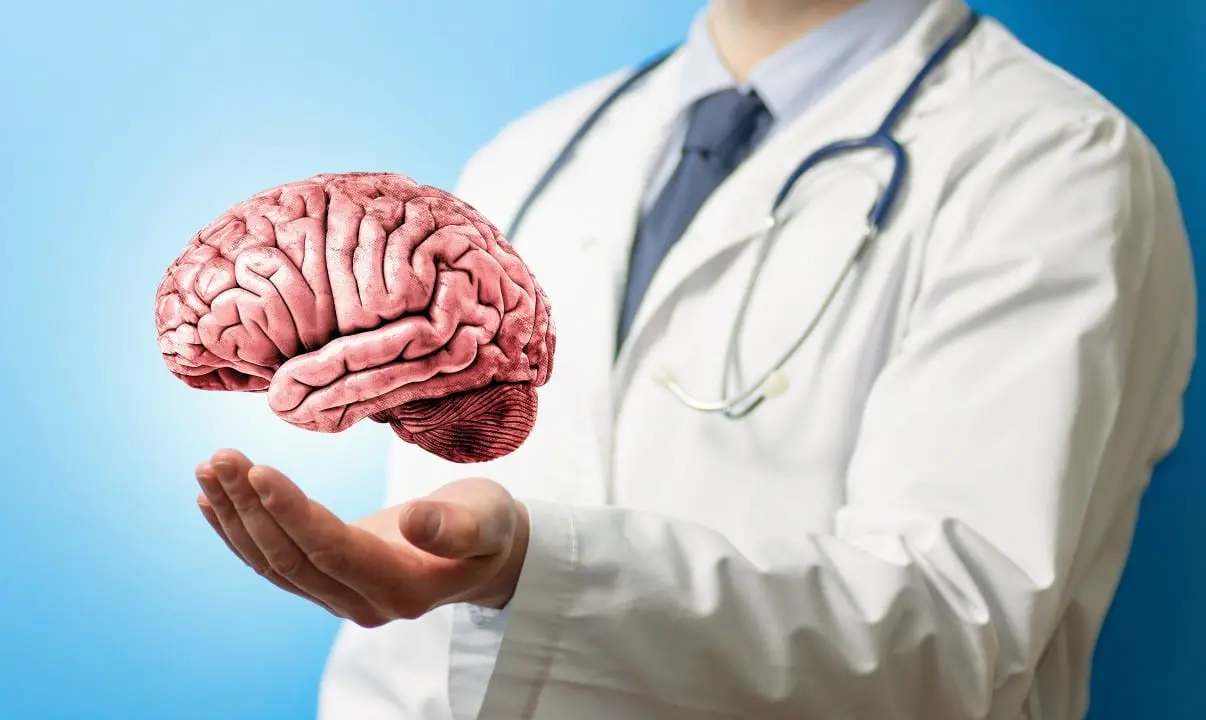
Researchers have identified that the key to the extraordinary durability of these brains lies in the stabilization of their proteins. Under specific environmental conditions, heavy metal ions, especially calcium, play a crucial role. They interact with brain proteins, creating denser and more resistant molecular structures. This formation acts as a protective barrier against the action of enzymes and bacteria, which are the main agents in the putrefaction process.
Full coverage: Latest News (EN)
This chemical process prevents cellular and tissue degradation that would normally occur. Stabilized proteins become less susceptible to hydrolysis and microbial attack. Without this stabilization, the brain, rich in lipids and water, would be one of the first organs to decompose.
The rarity and environmental factors of natural preservation
The natural preservation of brains is an extremely rare event and depends on a fortuitous combination of environmental factors. Conditions such as the absence of oxygen (anoxic environment), very low or very high temperatures, and the presence of certain minerals in the soil are determining factors. Wet, acidic environments, such as peat bogs, or extreme dry conditions, such as deserts, also favor the natural mummification of soft tissue.
Learn more: Xbox disc-to-digital program emerges as solution for removed digital games
Throughout history and in several archaeological sites, cases of well-preserved brains have been found, challenging the understanding of biological decomposition. The new research offers robust scientific support to explain these anomalies.
Some of the most notable cases of preserved brains include:
See Also

Electrical discharge knocks man off roof in Jaguaruana after contact with power lines

Global auction raises US$11.9 million and Brazil’s historic currency reaches record value

Former fighter Prichard Colón dies at age 33 after decade in a vegetative state
- Brains from Bronze Age England:A brain around 2,600 years old was found at an archaeological site in England, with gyri and grooves still visible. It is believed that preservation occurred due to specific soil conditions.
- Herculaneum victims:In the ancient Roman city of Herculaneum, buried by the eruption of Vesuvius in 79 AD, vitrified brain tissue was discovered. The extreme heat and rapid solidification of volcanic ash were crucial to preservation.
- Egyptian mummies:Although the ancient Egyptians removed most internal organs in the mummification process, the preservation of some brain tissue in older mummies, or in cases of natural mummification, is also studied.
What are the implications of the research for forensic science and archaeology?
A detailed understanding of the stabilization of brain proteins is invaluable for several areas of knowledge. In archaeology, it allows the analysis of organic remains in more depth, revealing information about the health, diet and diseases of ancient populations. Scientists can now extract DNA, proteins and even disease biomarkers from ancient brains, providing unprecedented data on human evolution and the history of medicine.
For forensic science, insights into tissue durability can optimize methods for dating and identifying remains, especially in complex cases. The study also deepens knowledge about how specific environmental factors affect postmortem biological integrity.
On the same topic: IPhone buried in time capsule for 250 years may not work when opened
The contribution to neurology and the understanding of brain diseases
In addition to archaeological and forensic applications, Oxford research opens new avenues in neurology. By understanding how brain proteins can be stabilized naturally, scientists can gain clues about the resilience of certain neural structures or, conversely, about the degradation processes that occur in neurodegenerative diseases. Protein stability is a key factor in pathologies such as Alzheimer’s and Parkinson’s, where the accumulation and misfolding of proteins are characteristic.
Studying naturally preserved brains could offer a unique model for investigating the resilience of neural networks. One can compare the structure and composition of ancient brains with that of modern brains. This may reveal how certain proteins resist degradation or how they behave under extreme conditions, providing a new perspective for developing therapies and prevention methods.
Next steps in research and the future of paleoneurology
Advances in understanding brain preservation are a milestone, but researchers indicate that there is still much to be explored. The next steps of the investigation include identifying other molecules and conditions that contribute to this exceptional stabilization. The idea is to replicate these mechanisms in the laboratory, seeking a more complete understanding of the phenomena that prevent decomposition.
The field of paleoneurology, which studies the brain in archaeological contexts, is booming with these discoveries. Future research will also focus on implications for biotechnology and bioengineering, exploring the possibility of developing tissue preservation techniques for medical or research purposes. The ability to maintain the integrity of biological structures for long periods could have a revolutionary impact on science and medicine.