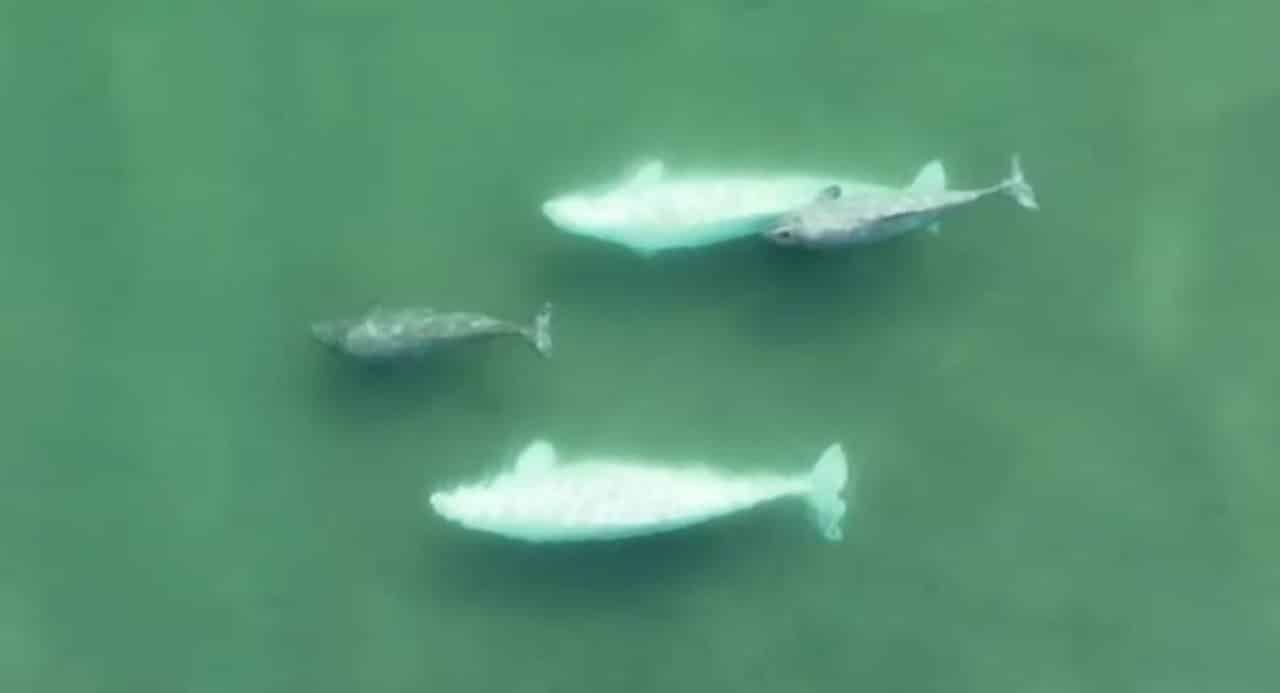
Biological secrets millions of years old have been unlocked in the most distant depths of the planet with a remarkable discovery. Recently, renowned scientists identified a vast whale graveyard at the bottom of the Indian Ocean, providing essential information about the evolutionary history of abyssal ecosystems.
Location of the ancient cetacean necropolis
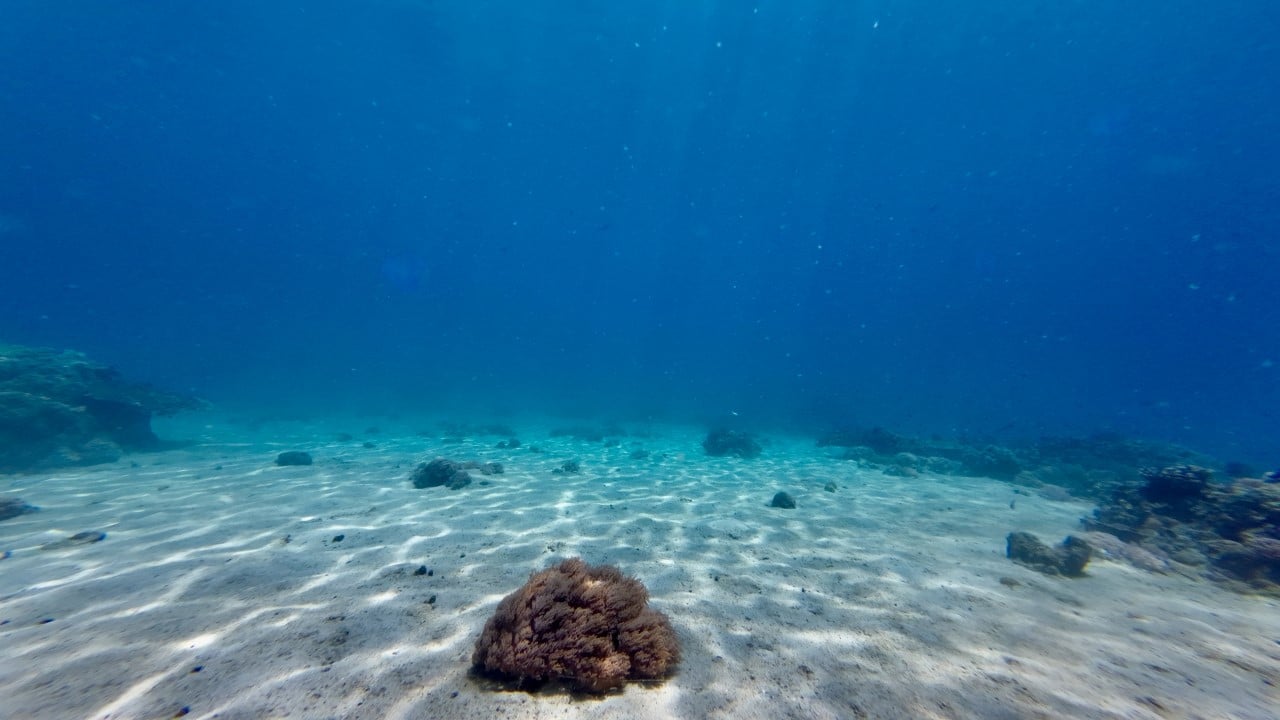
The resting area of the fossils is precisely located in the Diamantina Zone, located in the southeastern portion of the Indian Ocean. According to data published in the journal Nature, organic traces are found in seabeds at depths between 4,616 and 7,001 meters. The preservation of these cetaceans in such a remote region has brought to light unprecedented information about ancient marine fauna.
This underwater site acts as an uninterrupted record of past geological eras. The cartographic study shows that the accumulation of bones was influenced by the strong currents of the abyssal trench. Such a setup allows researchers to accurately investigate the planet’s historical climate variations.
- Beginning of the formation of the cemetery in the Diamantina Zone 5.3 million years ago.
- Official publication of the international study led by Xiaotong Peng is expected in June 2026.
- Detection of five active whale fall ecosystems as currently observed.
Mapping methods used by scientists in the region
The oceanographic expedition team employed cutting-edge technologies to carry out a thorough scan of the seabed, ensuring high geographic precision. Remotely operated submersibles have allowed experts to locate hundreds of scattered skeletons. This advanced underwater instrumentation withstood the intense pressures of the area and safely collected valuable sediment samples.
A major effort involving several scientific disciplines brought together global experts to understand the disposition of the skeletal remains. The results indicate geometric arrangement patterns related to the topography of the deep ocean floor. This revolutionary approach promises to boost abysmal future research, deepening knowledge about biodiversity from prehistoric times.
- Extensive 1,200-kilometer scan of the vast underwater bed.
- Cataloging requires 476 cetacean fossils.
- Mapping of five active ecological communities.
- Use of high spatial resolution sonars.
Understanding the Scientific Relevance of the Whale Cemetery
The in-depth study of this immense biological necropolis contributes to filling important gaps in the evolutionary timeline of life. The discovery of a vast and intact whale cemetery makes it possible to investigate endemic organisms that feed on bones at the bottom of the sea. These unique ecosystems form oases, supported by a wealth of vital organic nutrients.
This ancient discovery site also functions as a notable climate indicator from the planet’s remote periods. Molecular analysis makes it possible to reconstruct ocean temperature changes with great precision. Understanding these intricate ecological mechanisms is essential to predict environmental changes resulting from rapid human action and seek solutions.
- Depth explored: from 4,616 to 7,001 meters
- Total fossil cetaceans: 476 specimens identified
The phenomenon of whale fall communities at the bottom of the sea
This fascinating natural process happens when the massive body of a large cetacean gradually sinks to the bottom of the ocean. This occurrence gives rise to rich recent communities, composed of bacteria specialized in the digestion of organic material. Scientists documented five active structures, demonstrating how this biomass feeds the marine life chain.
The cycle of disintegration continues for several decades in the abyssal plains of freezing temperatures. Benthic organisms establish themselves in the remaining bone structures in well-defined sequential phases. Research into this process is crucial to the preservation of mysterious marine species that depend on biological carcasses in the deep ocean.
How the age of fossils was determined by isotopic dating
The exact temporal relevance was established through detailed laboratory analyzes carried out on mineral fragments removed from the seabed. Using the advanced isotopic dating technique, the proportion of preserved chemical elements was accurately measured. The checks confirmed that the deposition of fossil remains has occurred continuously since the early Pliocene.
The remarkable regularity of these deposits across successive geological eras suggests significant historical stability in global migration trajectories. These recent revelations strengthen our understanding of the delicate deep-sea ecosystem, scientifically reaffirming the inestimable value of academic investigation.