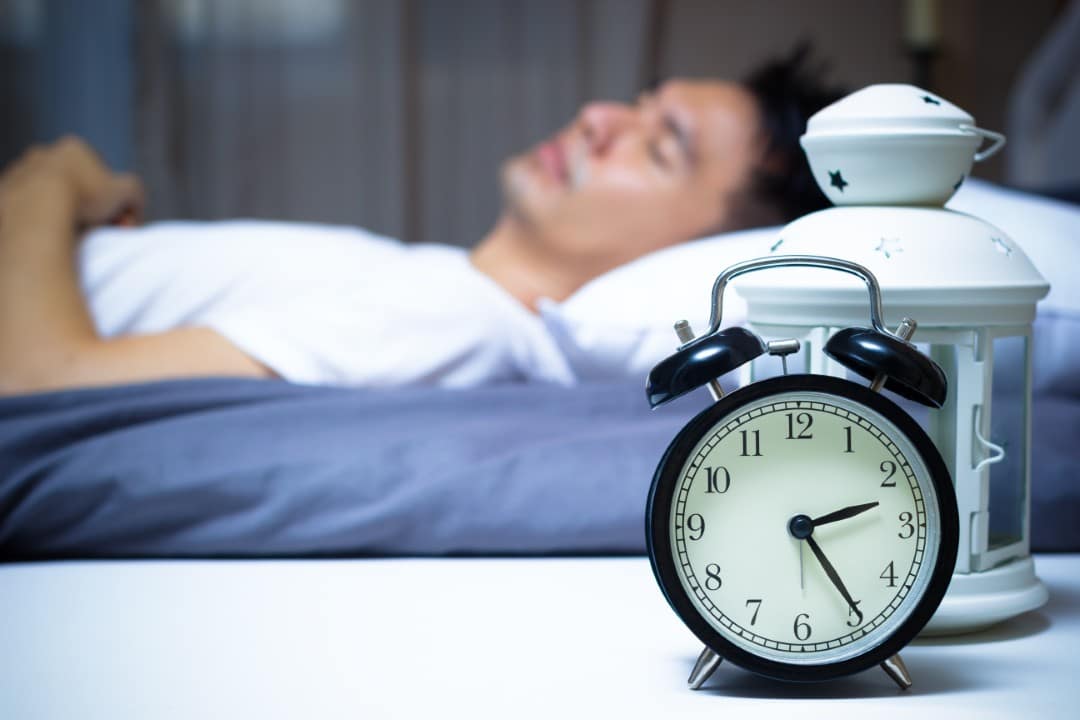
To achieve a longer life and healthy aging, several elements are considered fundamental, such as a balanced diet, regular physical activity and ensuring restful sleep. However, new research shows that one of these factors stands out as the most crucial for increasing life expectancy: sleep quality.
The study, recently published in the scientific journal Sleep Advances, revealed that insufficient periods of rest can negatively impact the length of life. The findings indicate that sleep has a more significant influence on life expectancy than food, physical exercise and even loneliness, being surpassed only by the habit of smoking.
Em um comunicado à imprensa, Andrew McHill, autor sênior da pesquisa, expressou surpresa com a intensidade da ligação observada. “Eu não esperava uma correlação tão acentuada com a expectativa de vida”, disse ele. McHill also highlighted the importance that “people should strive to sleep seven to nine hours, if possible”, showing that the research reinforces the relevance of sleep.
The work methodology involved the analysis of an extensive national database, looking for patterns in research linked to average life expectancy in different counties. The scientists performed a comparison between this county-level life expectancy data and comprehensive information collected by the CDC, the United States Centers for Disease Control and Prevention, for the period between 2019 and 2025.
The definition of “sufficient sleep” used in the study corresponded to a minimum period of seven hours of rest per night, in line with the recommendations of the American Academy of Sleep Medicine and the Sleep Research Society. The researchers also warned that sleep deprivation can have serious impacts on cardiovascular health, the functioning of the immune system and brain performance.
Although the scientific community already recognized the wide range of health benefits that adequate sleep provides, the study authors expressed surprise at the robustness of the connection found between sleep and human life expectancy.
McHill commented that, despite seeming intuitive and logical, it was remarkable to see the solidity of these results in all the models analyzed. “As a sleep physiologist, I understand the health benefits of sleep, but the strength of the association between adequate sleep and life expectancy was truly impressive to me.”
“This study indicates that we should give sleep the same priority we give to diet and exercise,” said McHill, emphasizing that it is common for people to see sleep as something secondary, which can be postponed until later in the day or on weekends.
Tips to improve sleep quality
- Establish fixed times for going to bed and waking up;
- Create a consistent nighttime routine on weekdays, including relaxing rituals such as a warm bath, wearing comfortable clothes and preparing your bedroom for rest;
- Try to avoid prolonged naps during the day;
- Organize your bedroom environment so that it is conducive to good sleep;
- Pay attention to your diet, opting for fresh ingredients, such as vegetables, fruits and greens;
- Avoid exposure to electronic device screens before bed;
- Maintain regular physical exercise;
- Reduce caffeine consumption, especially at night;
- Reduce sound stimuli in your sleeping environment as much as possible;
- Dedicate yourself to taking care of your mental health.