
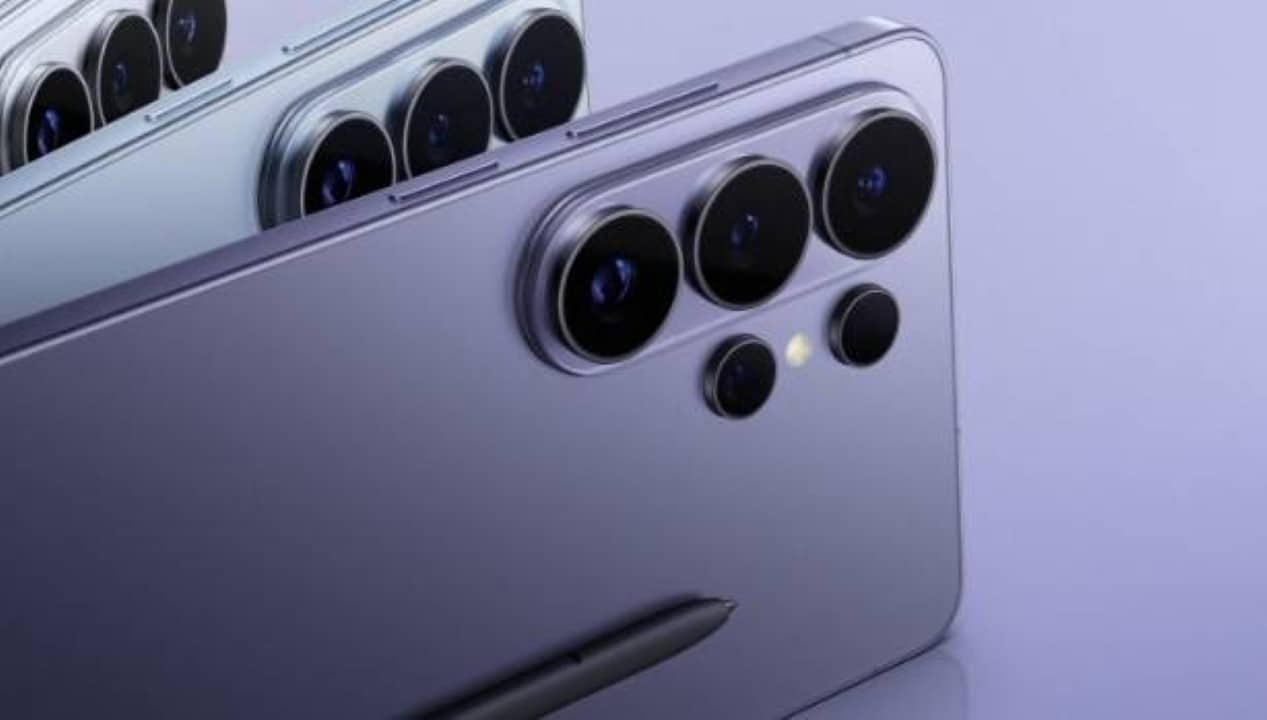
South Korean giant Samsung has begun the global distribution of its latest interface for mobile devices, One UI 8.5, marking the arrival of unprecedented generative artificial intelligence tools to the Galaxy ecosystem. The update completely transforms the way owners interact with their devices, changing everything from basic application organization to complex photo editing. Instead of relying on external servers, the new software executes advanced commands directly on the phone’s hardware, which ensures a near-instant response and eliminates unnecessary processing steps.
The strategic move seeks to consolidate the manufacturer’s leadership in the competitive premium smartphone segment, especially at a time when direct competitors are accelerating their own AI solutions. This version of the operating system raises the bar for productivity and entertainment functions, representing a significant leap towards more organic usability in everyday life. The company structured the new feature to offer a highly personalized experience, ensuring that customer information is not used to train language models without explicit consent.
Internal processing on the device increases the level of data security
The architecture developed for One UI 8.5 takes advantage of the neural processing unit integrated into the latest chips, concentrating data analysis on the cell phone itself. This technical approach drastically reduces waiting time when performing heavy tasks, such as rendering videos or creating high-resolution images, as the system eliminates constant communication with the cloud. Text messages, corporate documents and photo galleries receive an extra layer of encryption. The smartphone owner maintains absolute control over the generated and stored context, being able to define specific access limits for each installed application.
More on this story: Samsung reveals One UI 9.5 system with new artificial intelligence features
The operation of artificial intelligence in offline mode solves the connectivity problem in regions with unstable internet coverage, allowing image editors and native notebooks to respond to commands without interruptions. Although running locally requires robust hardware, battery consumption has been optimized to be more efficient than continuous data transmission over mobile networks. The manufacturer has implemented strict cybersecurity protocols in this edition of the software, creating a barrier against intrusions and leaks that meets the strictest privacy requirements of the contemporary digital scenario.
Advanced tools transform editing and work routine
Installing the new software package converts your phone into a high-efficiency workstation where artificial intelligence operates silently to anticipate daily demands. The factory voice recorder can now generate accurate summaries of extensive meetings, automatically identifying who is speaking at each moment of the recording. The virtual keyboard has also undergone improvements and now suggests responses appropriate to the tone and emotion of the conversation in progress. In the field of photography, features that previously required professional knowledge are available with just a few taps, allowing you to seamlessly remove unwanted objects from the background of images.
The graphical interface received adjustments that make navigation through the menus much more fluid and clean. Animations and icons have undergone visual refinement designed to prevent eye strain during long periods of use, in addition to ensuring smoother screen scrolling. The Quick Settings panel has been redesigned to make it easier to access AI shortcuts at a glance. Integration with the Galaxy AI ecosystem expands shared use options with the brand’s smart watches and tablets, while the software maps user habits to optimize overall performance and preserve the useful life of internal components.
Main innovations that arrive with the system update
The catalog of changes ranges from the structural protection of the device to the aesthetics of the home screen. During the development phase, the code underwent months of rigorous testing in the company’s specialized laboratories, with engineers focused on overcoming the limitations highlighted in previous versions of the interface. The result delivers a robust set of practical features for the end consumer.
Learn more: Samsung’s One UI 9 arrives with Android 17 and advanced features for Galaxy
- Direct processing of AI commands on the smartphone chip, without using the internet.
- High-level encryption system to protect personal files and sensitive information.
- Automatic creation of summaries of long texts and intelligent transcription of audios.
- New visual customization options for widgets and the lock screen.
- Expanded synergy with existing tools on the Galaxy AI platform.
The items listed represent only a fraction of the modifications applied to the new interface’s source code. The South Korean manufacturer plans to bring this security and feature package to previous generation devices through smaller updates over the next few months. The modular structure of One UI 8.5 allows the company to simply ship continuous improvements without the need to reinstall the entire operating system. Independent developers also gained access to new tools for connecting their own apps to the phone’s native artificial intelligence functions.
Release schedule and models compatible with the new version
The distribution of the operating system occurs gradually, divided by geographic regions and product categories. The latest and most expensive models in the Galaxy family are the first to receive download notification on the official schedule. The expansion to intermediate cell phones will take place over the next few weeks, depending on the responsiveness of the company’s servers. Owners can check file availability manually by accessing the Samsung Members app. To avoid data corruption, you must have enough free space on your phone’s internal memory before starting the installation.
The company’s update policy ensures long-term support for most of the devices that make up the current portfolio. The hardware of cell phones sold in recent years has the strength to run most of the new features presented. However, some specific content generation tools require cutting-edge processors and may be left out of older smartphones. The official recommendation is that customers perform a complete backup of their files before starting the process. Keeping the device connected to a stable Wi-Fi network is essential to avoid failures when downloading the data package, which is usually extensive.
Direct impacts on consumers’ routine and communication
The arrival of One UI 8.5 changes the dynamics of smartphone use both in the corporate environment and in personal life. Automating repetitive tasks frees up time for the user to focus on more important activities in their day. Simultaneous translation of telephone calls, for example, breaks language barriers during international travel and negotiations with foreign companies. Automatic adjustment of screen and sound settings improves video and music consumption in different lighting environments. Artificial intelligence acts as an invisible assistant, simplifying the operation of the device on all fronts.
The technology market closely monitors the public’s reception of the new tools introduced by the manufacturer. The stability of the operating system in these first weeks of use will be decisive for the overall success of the update. Samsung maintains technical support teams on standby to resolve any instability reported by consumers on the official forums. Security fixes will continue to accompany periodic feature and visual packs. The constant evolution of the software reinforces the brand’s commitment to delivering cutting-edge technology to its global customer base, ushering in a new phase for the mobile device industry.