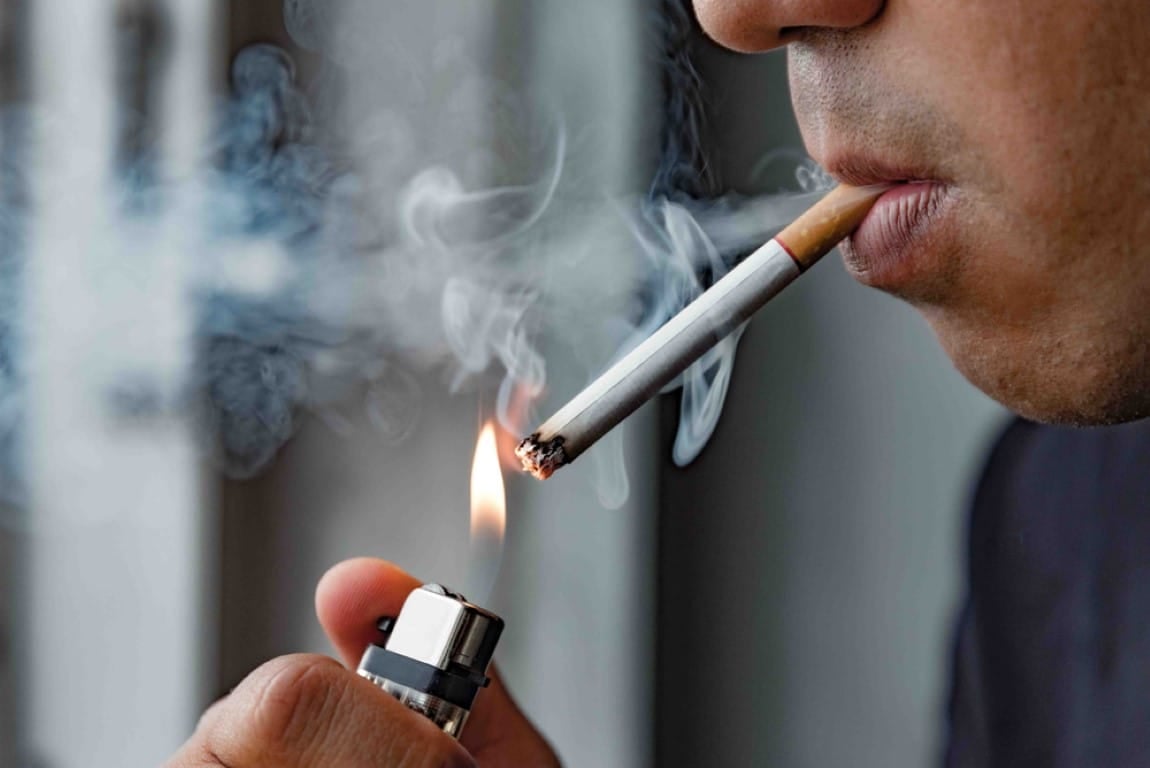
Cigarette addiction represents one of the biggest global public health challenges, requiring complex and accessible interventions for the population. In Brazil, the public network offers a complete and completely free program aimed at those who want to abandon nicotine dependence. This comprehensive support occurs directly in the neighborhoods, facilitating patients’ access to trained professionals. The initiative gains even more relevance during awareness campaigns, reinforcing that interrupting the habit brings immediate benefits to any age group.
The initial path to seeking support in primary care units
To join the cessation program, citizens simply need to go to the medical center closest to their home or place of work. The gateway to this therapeutic assistance is primary care, which deeply understands the social reality and territorial determinants of each individual. Qualified professionals are ready to accommodate demand during routine consultations or specific visits for this purpose. This geographic and cultural proximity is essential to ensure continuous adherence to medical monitoring.
During the first contact, the team carries out a careful assessment of the patient’s consumption history and level of chemical dependency. The protocol includes targeted questions to understand the person’s motivation and prepare a personalized action plan. Based on this initial diagnosis, the individual is referred to group therapy sessions or individual care, depending on availability and clinical profile. Municipal and state departments organize agendas and provide all guidelines regarding meeting times.
Reports from patients who transformed their routines after reception
The decision to stop smoking requires a very strong internal determination, regardless of the accumulated addiction time. A clear example of this journey is the case of Ailton Silva Gomes, a sixty-year-old man who maintained the habit for more than four decades. He began his rehabilitation process at the Paranoá Parque Basic Health Unit, located in the Federal District, seeking to recover his vital energy. The patient reports that withdrawal crises appear sporadically, but the desire to maintain a higher quality of life prevails over the momentary desire.
Another scenario that illustrates the effectiveness of professional support involves Sebastião Pereira dos Santos, aged forty-nine, who consumed cigarettes for a much shorter period. Even after just two years of exposure to the substance, he developed a strong chemical dependency after being influenced by social life. The turning point occurred after participating in educational lectures promoted by the team at the health center in his neighborhood. The knowledge gained about cellular damage, combined with ongoing psychological support, provided the necessary tools for him to permanently abandon the addiction.
Profound impacts of toxic inhalation and the invisible dangers around
Medicine classifies smoking not just as a bad habit, but as a severe chronic disease that requires constant clinical intervention. Inhaled smoke carries thousands of highly toxic chemical compounds, acting as the main trigger for the development of serious cardiovascular conditions and irreversible respiratory problems. Furthermore, medical literature directly associates this practice with the emergence of different types of malignant tumors in multiple organs of the human body. Compromised immune system makes the individual much more susceptible to opportunistic infections and systemic complications.
The damage is not restricted to those who light up, but also extends dangerously to the people around them. Secondhand smoke poses a silent threat, exposing family members, co-workers and children to the same toxins released when the product is burned. Experts warn that daily coexistence in closed environments with smokers drastically increases the risk of heart attacks and asthma attacks in healthy individuals.
To understand the scale of the problem, it is necessary to observe global surveys and new technological threats in the market:
- The World Health Organization estimates that more than eight million deaths annually are directly linked to the consumption of tobacco products.
- Of this alarming total, approximately one million and three hundred thousand victims lose their lives simply by inhaling the smoke of others in shared environments.
- Modern electronic devices, often marketed as safe alternatives, contain high doses of nicotine and cause the same lung damage.
- The use of vaporizers has attracted a younger audience, creating a new generation of drug addicts under a false sense of security.
Technical structuring and support materials provided to professionals
The success of interventions in public clinics strongly depends on the continuous training of the multidisciplinary teams involved in the process. The federal government develops and distributes robust technical guidelines to standardize care throughout the national territory. One of the main instruments used is the Smoking Care Line, a detailed document that guides doctors, nurses and psychologists on the best approach practices. This material is also available for public consultation, allowing any citizen to understand the stages of their own recovery.
The treatment offered goes beyond the simple prescription of medications, focusing intensely on behavioral change and cognitive support. Therapeutic meetings help participants identify the emotional triggers that lead to compulsive consumption, teaching coping techniques for moments of acute anxiety. When there is strict clinical indication, the public system can also provide pharmacological resources to alleviate the physical symptoms of withdrawal. All of this gear works in an integrated manner to prevent relapses and ensure that the patient regains full autonomy.
Statistical overview of the consumption of tobacco products in Brazil
Constant monitoring of smoking rates is an essential tool for formulating efficient and targeted public policies. Recent surveys, such as the Vigitel telephone survey focused on chronic diseases, outline a detailed profile of the behavior of the adult population in large Brazilian cities. Data for the year 2021 reveal that just over nine percent of residents of the capitals and the Federal District were actively addicted. This statistical radiography allows health managers to allocate resources more intelligently and promote specific preventive campaigns.
Demographic analysis of these numbers demonstrates a significant gender disparity when it comes to nicotine dependence. The male public has a prevalence rate close to twelve percent, while women register rates below seven percent in the same period evaluated. Understanding these sociocultural differences helps family health teams design more empathetic and efficient approaches for each group. The ultimate objective of this entire governmental structure is to progressively reduce these percentages, promoting a healthier society free from the chemical bonds of cigarettes.