Blizzard reallocates resources and ends new expansions for Overwatch 2’s Stadium mode
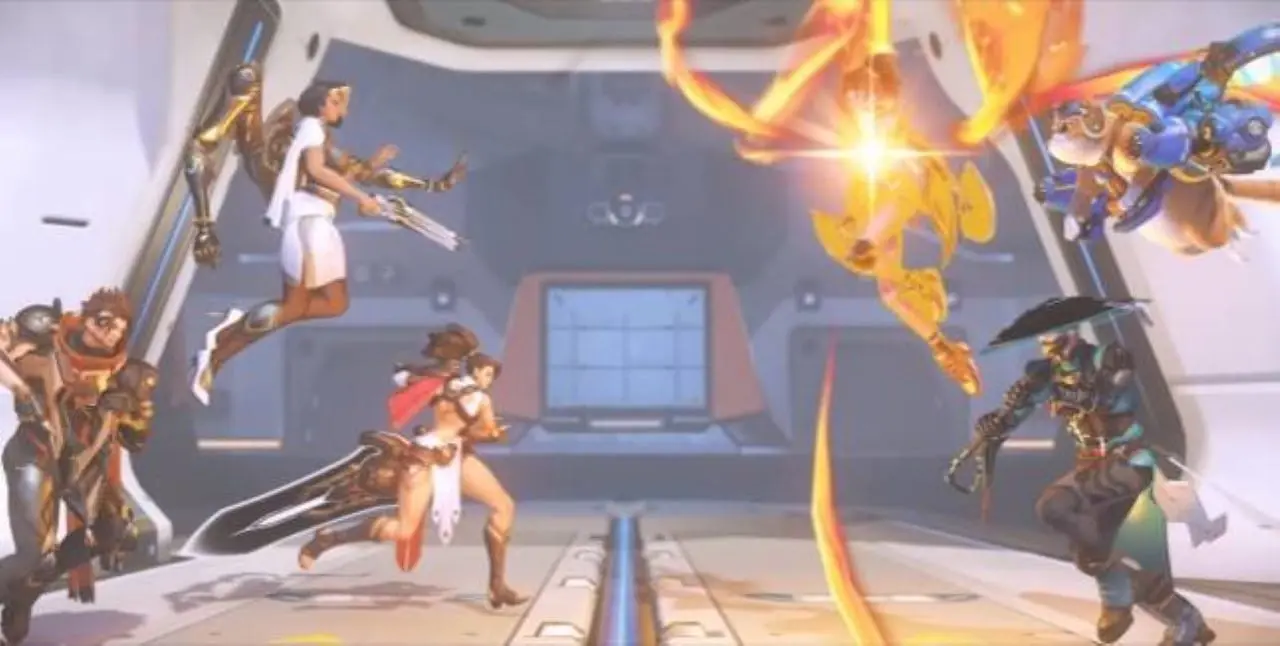
Blizzard Entertainment announced the end of development of new content for Overwatch 2’s Stadium mode. The decision, communicated by game director Aaron Keller, marks a strategic repositioning of the development team, prioritizing the hero shooter’s core experiences.
In his “Director’s Take” update, Keller explained that, despite being innovative, Stadium failed to capture a significant player base, consolidating itself into a smaller niche. This change reflects the developer’s constant search for resource optimization within the competitive games-as-a-service market.
On the same topic: Blizzard limits the future of Stadium mode in Overwatch 2 and will not add more content
Strategic Focus: The Future of Stadium Mode in Overwatch 2
The motivation behind halting development for Stadium lies in Blizzard’s analysis of internal data, which revealed limited adoption. According to the company, the mode accounts for only around 6% of daily Overwatch players. Comparatively, 5×5 ranked and unranked role queue modes dominate community preference, while 6×6 modes also show growth in participation.
It is crucial to highlight that the “end of support” does not mean the immediate removal of the mode. As detailed by Keller, Stadium will continue to receive seasonal balance updates, rank resets, and player rewards. However, there are no plans to add new heroes or maps, which implies that the current roster of 33 playable heroes in the mode (a subset of the total roster of 52 heroes) will remain unchanged.
The comparative performance of the modes in Overwatch 2
Player engagement data, collected in June and after approximately 14 months of Stadium mode’s existence, clearly illustrates the disparity in community preference. These numbers provide the basis for Blizzard’s decision to reallocate its talent and investments.
Check the distribution of daily players by mode:
More on this story: Blizzard closes Overwatch Stadium mode after rejection and low public support for the game
See Also

New details from Pokémon Winds and Waves indicate Elite Four with unprecedented dynamics

Trump threatens to bomb Oman if it interferes in negotiations on Iran

Instagram changes the logo in 2026: see the before and after and what changes in the app
- 5×5 role queue (Unranked):Around 54% of daily players
- 5×5 role queue (Ranked):About 37%
- Open queue 6×6 (Unranked):About 19%
- Open Queue 6×6 (Ranked):About 8%
- Mysterious Heroes 6×6 (Unranked):About 4%
- Stadium Ranked:About 3%
- Stadium Unranked:About 3%
Analysis of these percentages demonstrates that, despite dedicated efforts and resources, the Stadium did not achieve the expected traction to justify continued investment in new expansions. The stagnation in the number of heroes and maps could lead to an even greater decrease in the player base in the coming months.
Challenges in the introduction and complexity of Stadium
Stadium mode was introduced in Overwatch 2 in April 2023, around 14 months ago. Initially, it had a cast of just 17 heroes, with seasonal additions over time. Its design, inspired by games in the MOBA (Multiplayer Online Battle Arena) genre, brought a layer of significant complexity to the title.
In Stadium, players evolved their heroes over several rounds — up to seven —, acquiring advantages such as extra armor, reduced skill reload times and transformative powers that could change the course of the game. This complex progression system required players to master dozens of perks, modifiers, and remixed abilities for each character. Although Blizzard tried to simplify the experience by offering predetermined hero builds, the learning curve and strategic depth may have alienated some of the player base accustomed to the simplicity of other modes.
Learn more: How parents can reinforce children’s safety on Roblox after investigations in the US
Future perspectives and team relocation
The decision to end development for Stadium allows the team dedicated to this mode to focus on other updates and innovations for Overwatch 2. Aaron Keller stated that the lessons learned and talent of the developers involved in Stadium will be applied to the game’s future plans.
This reallocation of resources is part of a broader context of optimization and restructuring within Blizzard Entertainment. The company, now part of Microsoft and Xbox, has faced cuts and layoffs across several divisions. The decision to focus development on Overwatch 2’s strongest pillars is a direct reflection of this drive for efficiency and strategic focus, ensuring that efforts are focused where the impact for the most players is greatest. The future of Overwatch 2, therefore, will increasingly depend on its main modes and Blizzard’s ability to keep the franchise relevant and competitive in the online gaming scene.