Croatia’s largest cave system was discovered completely by accident, bringing to light evidence of a hunter who lived around 20,000 years ago, as revealed on July 22, 2026. Located in the picturesque town of Ogulin, this complex is considered one of the country’s most important archaeological and natural treasures.
The Đula-Medvedica cave system, recognized as the largest underground complex in all of Croatia, has come to light in a surprising way. The revelation happened during the construction process of a railway, at the beginning of the 20th century. What began as a routine engineering project quickly turned into one of the most significant archaeological discoveries in Croatian history, providing clues about human existence dating back tens of millennia.
How Railroad Construction Exposed a Vast Underground Network
The complex that became Croatia’s largest cave system emerged as railway work advanced through the Ogulin region. The works uncovered an immense web of underground passages that was hidden deep in the local landscape. Later expeditions mapped many kilometers of interconnected tunnels, large chambers and several watercourses, consolidating it as a site of great relevance for cavers and the scientific community.
Evidence of prehistoric human life in Croatia
Among the most notable finds within the cave is a bone from a prehistoric hunter, estimated to be approximately 20,000 years old. Archaeologists have also found several other traces of human activities that occurred during the Ice Age. These discoveries confirmed that the cave served as a refuge for the populations that inhabited the area during the last glacial period. Such evidence has been crucial for researchers to better understand how ancestral communities survived in what is now Croatia, facing one of the most adverse climatic periods in Europe.
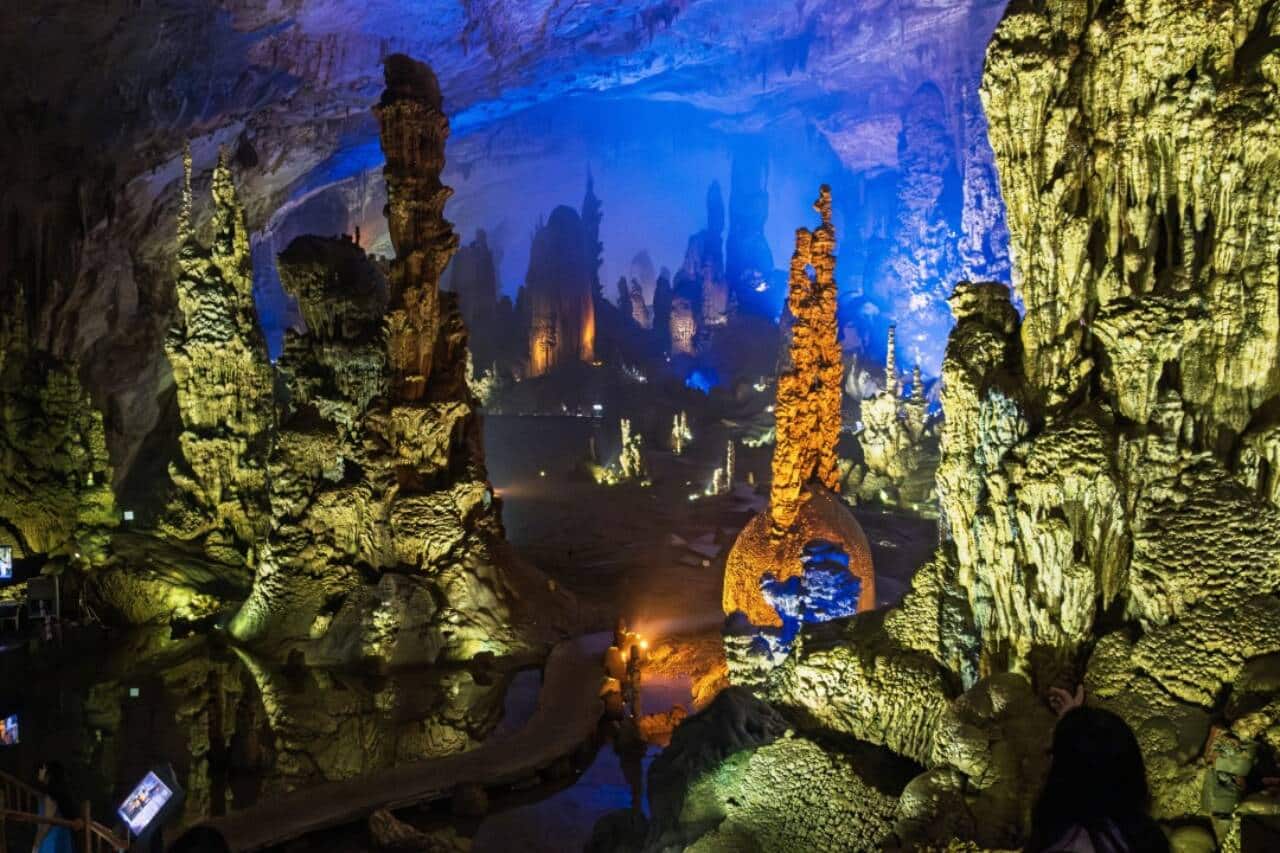
In addition to its great archaeological importance, the extensive Đula-Medvedica Cave System is acclaimed for its geological features. This underground labyrinth contains rivers that flow beneath the earth, grand chambers, impressive rock formations and unique ecosystems, inhabited by species that have specifically adapted to life in total darkness. Due to its invaluable scientific value and the vulnerability of its environment, much of the cave remains protected and is only accessible to researchers and cavers with proven experience.
Ogulin: the Croatian city with its underground charms
While many visitors know Ogulin as the birthplace of fairy tale writer Ivana Brlić-Mažuranić, this picturesque, often underrated region also holds one of Croatia’s most fascinating karst landscapes. The vast cave system lies beneath an area shaped by countless underground rivers and limestone formations carved over millions of years, creating an extraordinary hidden world deep beneath the city’s surface.
The discovery’s lasting impact on local archeology
More than a century has passed since its unexpected revelation, and the Đula-Medvedica Cave System continues to provide valuable data on Croatia’s natural and human history. From the remains of prehistoric hunter-gatherers to spectacular geological formations, this remarkable cave serves as a perpetual reminder that some of the country’s greatest discoveries emerged purely by chance, waiting patiently deep within the earth until the moment was right to reveal themselves to the world.