
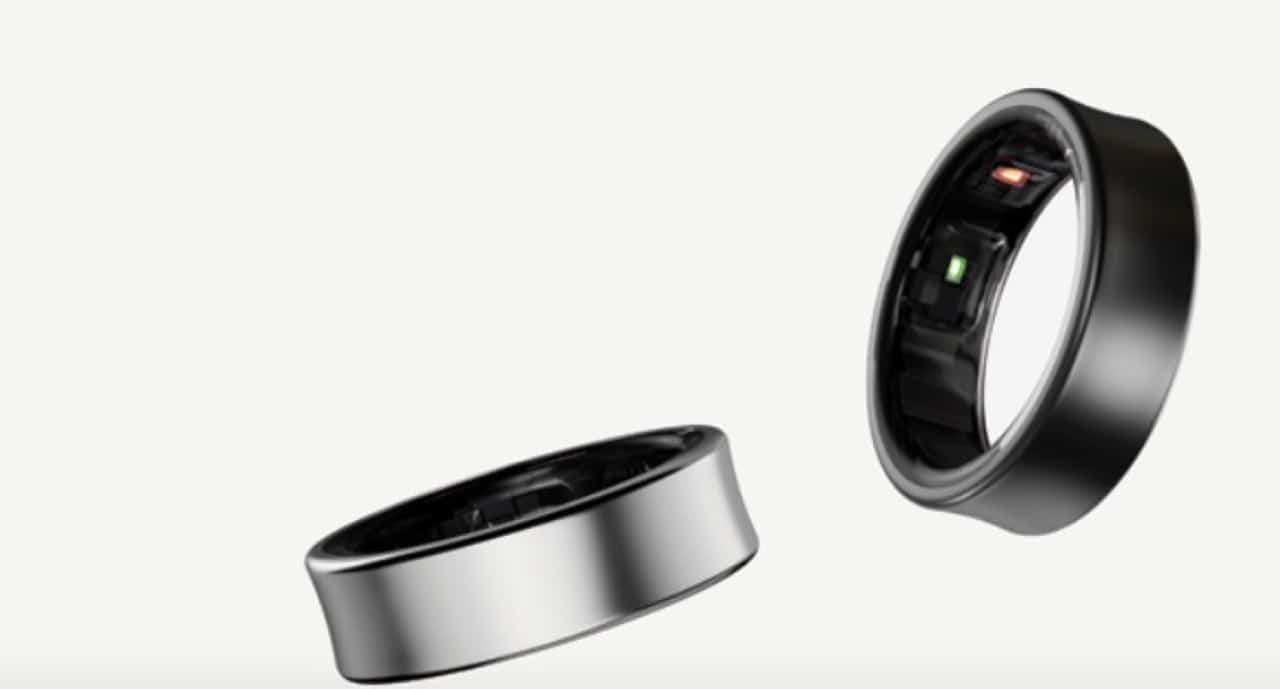
The wearable devices market has just registered a historic breakthrough with the recent authorization granted by the Food and Drug Administration (FDA) to the Samsung Galaxy Ring. The United States regulatory body released the equipment to actively track sleep apnea, making the gadget the first global smart ring to boast this type of clinical validation. Consumers who already have the device will have access to the new monitoring tool through a system update package scheduled for the coming months.
The weight of clinical validation for the smart accessories market
Gaining the approval of the main North American health agency, which operates along the same lines as the National Health Surveillance Agency (Anvisa) in Brazil, changes the level of the South Korean product. This official approval proves that the sensors built into the accessory deliver accurate and safe metrics, moving from the category of a mere technological fashion item to an instrument of medical utility. In practice, the validation attests that the ring’s blood oxygenation (SpO2) and heart rate readers are sensitive enough to record abrupt drops in oxygen during the night, democratizing access to preventive exams that previously required overnight stays in specialized clinics.
On the same topic: Samsung’s smart ring gains medical approval to diagnose apnea
Night tracking mechanism and the fight against respiratory disorders
Characterized by repetitive blockages in the airways while the individual sleeps, apnea causes interruptions in breathing that plummet oxygen levels in the body. The role of Samsung’s new feature will be to map exactly these abnormal fluctuations and the cardiovascular effort generated by each nighttime choking. By compiling this daily data, the manufacturer’s application will issue detailed alerts if it identifies dangerous trends, facilitating the early diagnosis of a syndrome that silently affects millions of people and is rarely noticed by the patient themselves without the help of third parties or appropriate technology.
Full coverage: Latest News (EN)
Serious consequences of lack of diagnosis for the human body
Ignoring the symptoms of this respiratory block triggers a destructive domino effect on metabolism in the long term. The continuous effort to breathe again during the night keeps the nervous system in a permanent state of alert, which puts severe strain on the arteries and heart muscle.
- High blood pressure:Constant nighttime stress strains blood vessels, resulting in chronic hypertension.
- Cardiovascular problems:Oxygen deprivation multiplies the chances of arrhythmias and acute myocardial infarctions.
- Strokes:Blocking adequate blood flow substantially increases the risk of a stroke.
- Glycemic loss of control:Untreated patients have enormous difficulty in metabolizing glucose, favoring the emergence of type 2 diabetes.
- Chronic exhaustion:The fragmentation of rest generates disabling daytime drowsiness, which affects work performance and increases the risk of traffic accidents.
Software release schedule for consumers
The official announcement of the regulatory achievement took place in the city of London, during the Galaxy Unpacked conference, under the command of Sharanya Desai, main executive of the South Korean brand’s digital health division. With the legal documentation already approved, the company is now working on finalizing the system code, projecting the global delivery of the respiratory tracking function by the end of 2026. The strategic move consolidates the company’s vision of transforming its daily use accessories into true preventative medical assistants, providing autonomy for the public to monitor their well-being in a continuous and non-invasive way.