Irish singer Glen Hansard dies after serious traffic accident in the Dublin region
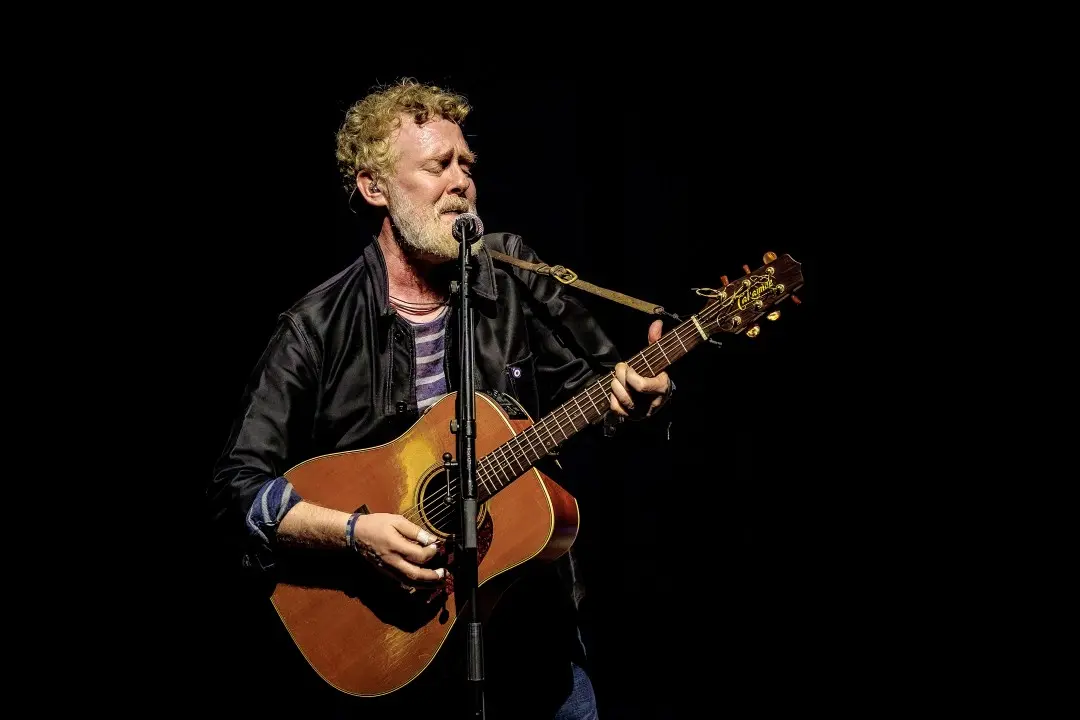
The international music scene lost one of its most remarkable voices in the early hours of July 29, 2026. Glen Hansard, revered for his work with the band The Frames and awarded by the Academy of Motion Picture Arts and Sciences, suffered a fatal motorcycle accident at the age of 56. The collision took place in the Lucan area, a suburb located in the metropolitan region of the Irish capital. Emergency teams quickly arrived at the scene to provide first aid to the artist.
Despite intensive medical efforts carried out on public roads, the severity of the injuries prevented any chance of recovery. Irish traffic authorities cordoned off the perimeter to begin preliminary investigations into the dynamics of the crash. To date, official reports from the local police have kept the external factors that may have contributed to the tragic outcome confidential, pending additional expert reports. The news generated an immediate wave of mourning among artists and admirers of European folk music.
The construction of a sound identity on the streets of the Irish capital
Long before walking the red carpets of Hollywood, the musician built his artistic foundation by playing guitar on the sidewalks of Grafton Street, one of Dublin’s busiest shopping streets. This experience of direct contact with pedestrians shaped his visceral interpretation capacity and his powerful vocal technique. The urban experience served as raw material for the compositions that would later define the sound of his main endeavor in alternative rock.
More on this story: Oscar-winning Irish musician Glen Hansard dies in motorbike accident in Dublin
The founding of The Frames in the 1990s represented a turning point in Europe’s independent scene. The group developed a sound that mixed the aggressiveness of electric guitars with the traditional melancholy of Celtic culture. Leading the formation, the vocalist delivered cathartic performances that transformed shows in small pubs into true spectacles of collective devotion. Fan loyalty grew organically during years of grueling tours across the continent.
The group’s commercial peak in the domestic market occurred in 2004, when the album containing the track “Burn the Maps” dominated the Irish charts. This phonographic record proved that it was possible to reach the top of the sales charts without giving up introspective lyrics and complex arrangements. The work consolidated the group’s name as a cultural institution within the country, opening doors for invitations to large festivals in several countries.
Full coverage: Latest News (EN)
The cinematographic triumph and the achievement of the golden statuette
The transition to global stardom happened unexpectedly in 2007, through a low-budget independent production. The feature film “Once” captured the essence of the lives of street musicians, using the protagonist’s own experience as the guiding thread of the narrative. Performing alongside Czech instrumentalist Markéta Irglová, he delivered a raw and naturalistic performance that enchanted film critics around the planet.
See Also

Advance of Cyclone Lala paralyzes airports and raises alert in Hawaii
Hurricane Lala arrives in Hawaii with winds of 120 km/h and closes airports

Lucas, singer of the country duo Lucas & Matheus, died in Portugal after a heart attack
The chemistry between the two artists on screen spilled over into the soundtrack, composed entirely by the duo during filming. The song “Falling Slowly” became the emotional heart of the work, featuring a soaring melody based on piano and acoustic guitar. The track surpassed the barriers of alternative cinema and invaded commercial radio stations, culminating in the Oscar win for Best Original Song. The composers’ acceptance speech remains documented as one of the most genuine moments in the history of the American awards show.
The impact of this statuette permanently altered the Irishman’s professional trajectory. He went on to fill prestigious theaters in the United States and Asia, performing both solo and with the project The Swell Season, formed in partnership with Irglová. The demand for his live performances required a restructuring of his travel routine, but his posture on stage maintained the same simplicity as the times when he played for coins in his hometown.
Decisive moments that defined the career of the European artist
To understand the magnitude of the loss to the music industry, it is necessary to look at the pillars that sustained its relevance over more than three decades of uninterrupted work. Versatility has always served as the main tool in his musical projects.
Learn more: Oscar winner Glen Hansard dies aged 56 in motorcycle accident in Ireland
- Formation and leadership of The Frames, setting a new standard of quality for Irish alternative rock in the 90s.
- Release of the album that included the hit “Burn the Maps”, reaching absolute first place in the Irish sales charts in 2004.
- Protagonism in the independent film “Once” (2007), a work that redefined the structure of modern musicals in contemporary cinema.
- Victory at the Oscar ceremony with the track “Falling Slowly”, surpassing million-dollar budgets from major Hollywood studios.
- Expansion of his work to the Broadway stage with the acclaimed theatrical adaptation of his most famous film in 2011.
Each of these milestones represents a different facet of his immense creative ability and dedication to the craft. He transitioned extremely naturally between the chaotic energy of a full rock band and the vulnerable intimacy of a solo acoustic performance. This artistic duality allowed his compositions to dialogue with different generations of listeners, breaking language and cultural barriers.
Expanding Legacy Through International Musical Theater
The narrative strength of songs created for the screen proved to have a useful life far beyond the traditional cinema circuit. In 2011, the story of the unfulfilled romance between two immigrant musicians took on a new look on New York’s theater stages. The musical adaptation preserved the live instrumentation performed by the actors themselves on stage, a rigorous creative requirement that kept the organic spirit of the original work fully intact.
The theatrical production quickly became a box office and critical phenomenon, winning multiple Tony Awards and touring the world on lucrative international tours. Seeing his songs performed by new casts every night reaffirmed the universality of his lyrics, which are fundamentally about disillusionment, hope and the healing power of art. The show introduced the Irishman’s vast repertoire to a loyal theater audience who might never have consumed his independent rock albums.
The composer’s physical absence leaves a profound gap in contemporary European culture. His rare ability to translate complex feelings into simple chords influenced a legion of new singers who today dominate the main audio streaming platforms. The recording catalog built over his lifetime remains an essential historical document of the evolution of modern folk rock, ensuring that his vocal identity will continue to echo on the streets of Dublin and on stages around the world for decades to come.