

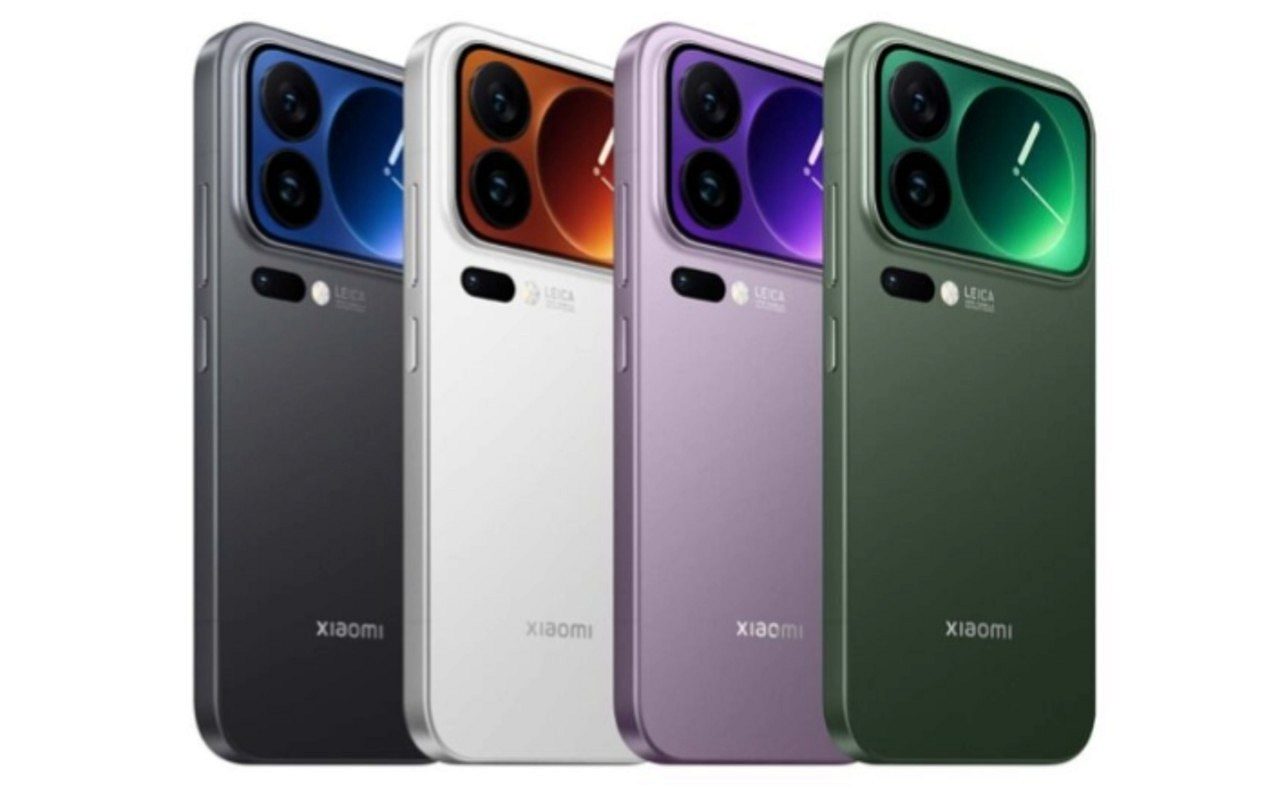
New information indicates that the international versions of the Xiaomi 18 and Xiaomi 18 Pro Max have been registered on the EEC (Eurasian Economic Commission) certification platform. These appearances come at a time close to the expected presentation of the line in China, scheduled for September.
Additionally, a new leak brought to light several specifications of the Xiaomi Pad 8s Pro, a tablet that is also expected to be launched soon by the company.
EEC certification documents reveal two Xiaomi devices identified by model numbers 2611FPNFAG and 2609BPN61G.
Based on previous leaks, the 2611FPNFAG model is associated with the Xiaomi 18, while the 2609BPN61G would be the Xiaomi 18 Pro Max. However, the manufacturer has not yet provided official confirmation about the commercial names of these products. This certification, which precedes the launch in China, suggests a possible change in Xiaomi’s strategy, which usually presents its premium smartphones in its home market in September, but only launches them globally at the beginning of the following year. The expectation is that the interval between launches will be reduced.
Other speculation suggests that the Xiaomi 18 Pro may remain restricted to the Chinese market, with only the standard model and the Pro Max being distributed internationally.
Details of the Xiaomi Pad 8s Pro are revealed in new leak
Tipster Bald Panda revealed that the Xiaomi Pad 8s Pro tablet could come with a 12.5-inch LCD screen and 3.2K resolution. The device would be equipped with the new Xring O3 chipset, developed by Xiaomi itself.
The device may also feature a 12,000 mAh battery, support for 120 W fast charging, a 32 MP front camera and a set of rear cameras with 50 MP and 2 MP sensors.
There are also rumors that the Xiaomi Pad 8s Pro will be presented together with the Xiaomi 18 Fold, a foldable smartphone that, apparently, will also use the Xring O3 chip and should be exclusive to the Chinese market.
If the rumors are confirmed, Xiaomi should officially announce the Xiaomi 18 line in September, in China, and accelerate the availability of global versions of the devices for other markets.





