Slimming pens explore new uses in addiction and cancer research
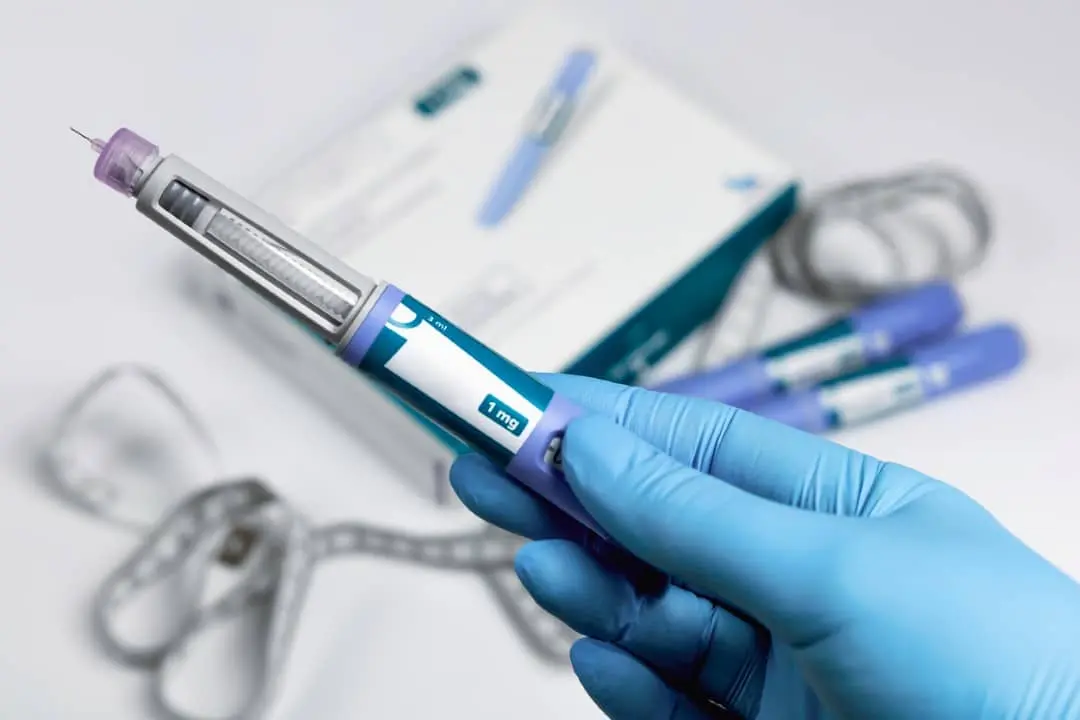
Medicines known to aid in the treatment of type 2 diabetes and weight loss, popularly called “pens”, are being tested in a series of new applications that go far beyond controlling body weight. Researchers are now exploring the potential of these substances to combat addictions, chronic pain and even complex diseases such as cancer and neurodegenerative conditions.
GLP-1 analogues: from glycemic control to therapeutic versatility
Drugs that mimic the hormone GLP-1, such as semaglutide and liraglutide, have gained global prominence for their significant impact on the health of people with diabetes and obesity. However, the science behind these compounds reveals a much broader field of action. This is due to the presence of GLP-1 receptors in several parts of the body, including the brain, heart and kidneys, suggesting that its effects may transcend metabolism.
This ubiquity of receptors indicates that GLP-1 analogues can influence multiple biological systems, paving the way for investigations in areas where the need for new therapeutic approaches is pressing.
Action mechanisms that inspire new fronts of study
More on this story: Anvisa orders withdrawal of batches of counterfeit hormone and stolen oncology medication due to health risk
GLP-1 is an intestinal hormone that, in addition to regulating insulin secretion and appetite, also has anti-inflammatory and neuroprotective properties and can act on reward pathways in the brain. These characteristics are fundamental to understanding the growing interest in its use for different conditions. The ability to modulate inflammatory processes and protect neural cells, for example, offers a basis for studies on diseases that have these factors as central components.
Researchers seek to uncover exactly how these medications interact with different body systems to produce therapeutic effects beyond those already known. The complexity of GLP-1 and the vast distribution of its receptors are at the heart of this pharmacological “revolution.”
Addiction Research and Chronic Pain Relief
On the same topic: Research reveals how fructose and visual stimuli cause obesity
One of the most promising fields of research is addiction treatment. Preliminary studies and clinical tests seek to verify whether GLP-1 analogues can reduce the desire for substances such as alcohol, nicotine, opioids and cocaine. It is believed that these drugs can modulate the brain’s reward centers, reducing the compulsion and pleasure associated with the consumption of these substances, offering new hope to millions of people.
See Also

Advance of Cyclone Lala paralyzes airports and raises alert in Hawaii
Hurricane Lala arrives in Hawaii with winds of 120 km/h and closes airports

Lucas, singer of the country duo Lucas & Matheus, died in Portugal after a heart attack
Additionally, the potential for chronic pain management is also under investigation. The anti-inflammatory properties and influence on neural pathways could make these medications a useful tool for relieving different types of pain, a significant challenge in medicine today.
The future in combating neurodegenerative diseases and cancer
The expansion of research also includes the treatment of neurodegenerative diseases, such as Parkinson’s and Alzheimer’s, where the neuroprotective potential of GLP-1 analogues is the focus. The idea is that these substances can protect neurons from cell decline and death, slowing the progression of these devastating conditions.
Learn more: Research reveals how fructose and visual stimuli alter metabolism
In an even more surprising development, there are investigations into the role of these drugs in combating certain types of cancer. Although the exact mechanisms are still being elucidated, the hypothesis is that they may influence the growth of tumor cells or modulate the inflammatory environment that favors the disease.
The next steps for medicine and the challenges ahead
Despite the enthusiasm about the vast therapeutic potential of GLP-1 analogues, it is important to highlight that many of these studies are still in the early stages. Confirming efficacy and safety for these new applications will require extensive clinical trials with large numbers of participants and long-term follow-up. The scientific community is vigilant about the results.
In addition to the scientific challenges, issues such as the high cost of these medicines and access for the global population are also crucial points that will need to be addressed as new therapeutic indications are validated. The expectation is that, with more research, these “pens” could transform the approach to multiple diseases in the future.