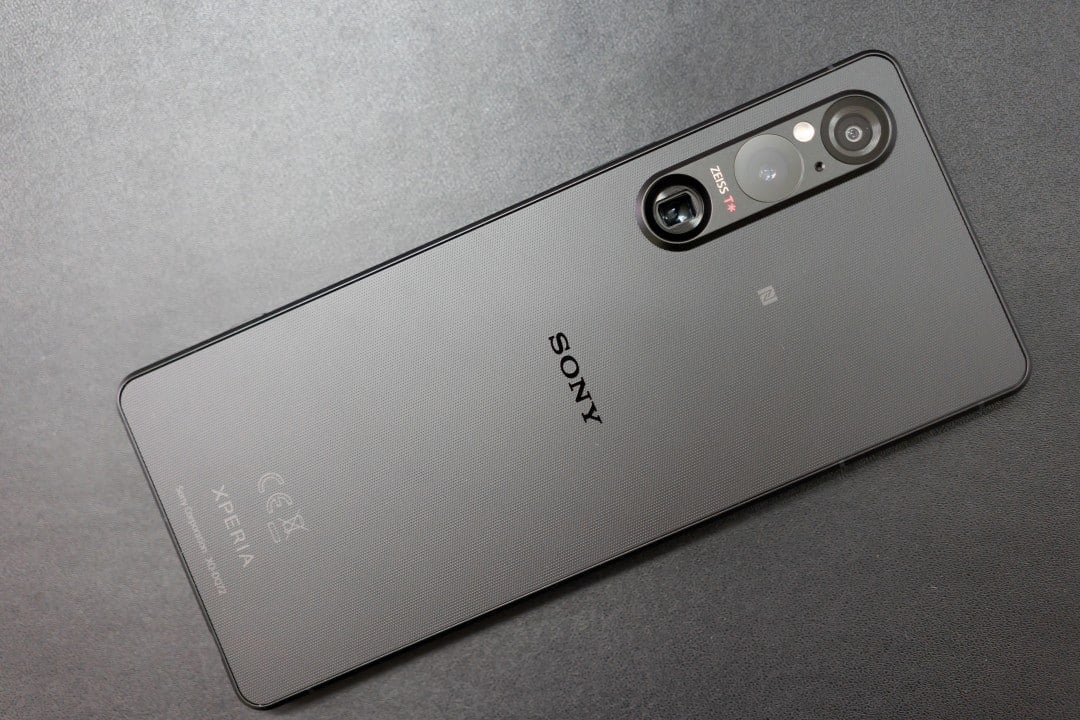
Sony’s mobile devices division had to turn to X, a platform formerly known as Twitter, to justify the behavior of its new automated editing system present in the Xperia 1 VIII. Known for delivering devices aimed at photography purists, the manufacturer saw its community and big names in the sector, including executive Carl Pei and content producer Marques Brownlee, mock the results delivered by the recently announced tool.
The problem began when the first advertising campaign placed real captures alongside software-modified versions, revealing that the computer-generated material was noticeably degraded compared to the native file. Faced with the disastrous repercussion of this exhibition, the Asian company broke the usual protocol of silence to detail the engineering behind the novelty.

How image processing works on the brand’s new smartphones
Unlike systems that force aggressive automatic correction, the mechanism built into the Xperia 1 VIII acts only as a visual advisor, delivering up to four different interpretations for the same click. According to the manufacturer’s official note, the machine learning engine analyzes the scene and creates alternative aesthetic routes, allowing the device owner to visualize different atmospheres for the same composition.
The master file remains intact within the cell phone’s photo application, ensuring the preservation of the original capture. The alternatives generated by the system operate strictly as an experimentation menu, where the person decides whether to apply the smart filter or discard the result. The corporation made it clear that the goal of the functionality is to stimulate daily creativity, and not to deliver superior technical fidelity to the device’s lens.
See the operational details of the automated photographic system:
- Delivers a package with up to four artistic visions for each click made
- Preserves the native file without any risk of data overwriting
- Apply neural networks to suggest modifications based on visual styles
- Grants the cell phone owner the power of veto over suggested edits
- Focuses on delivering experimental results rather than traditional fixes
Unreleased images try to reverse the public’s negative perception
To try to clean up the product’s image, the communications team attached a new test gallery on the social network, showing situations where the software can deliver visually pleasing work. In doing so, the technology giant admitted between the lines that the marketing team seriously failed to select the worst possible samples for the device’s global debut.
Recent posts show that the virtual engine depends on ideal light conditions and a clean frame to shine. When the user tries to apply the effect to portraits with many elements in the background or in environments with very harsh shadows, the processor runs into its own limitations and delivers files with obvious distortions.
Understand the reasons that led the technological community to ridicule the function
The promotional material for the Xperia 1 VIII caused a real fire on the discussion forums as soon as the first comparisons were aired. Hardware experts and ordinary consumers noticed that the software was destroying the symmetry of human faces, inserting non-existent blurs in the original scene and changing the color palette completely randomly.
This domino effect of criticism led to major influencers turning the launch into a case study on how not to present a product to the market. Instead of deleting the posts or ignoring the collective derision, the company’s management chose the path of direct confrontation, publishing a technical dossier to try to calm the spirits of the brand’s enthusiasts.
The weight of marketing in the era of generative tools for mobile phones
The manufacturer’s stumble illustrates the enormous pressure that companies face when trying to surf the wave of visual automation, a terrain where competitors like Google and Samsung have already set high standards. Today’s consumers no longer accept empty promises and demand that stage demonstrations reflect exactly what the device will do in the real world, with all its successes and flaws.
By adopting a damage control stance based on transparency, the Japanese brand managed to separate its leisure tool from professional editing software, adjusting the expectations of those planning to buy the cell phone. This reality check serves as a warning to the entire mobile device industry: selling computer-generated illusions has become a very high-risk strategy.