
Amazon’s self-driving cars receive federal clearance to run without a steering wheel

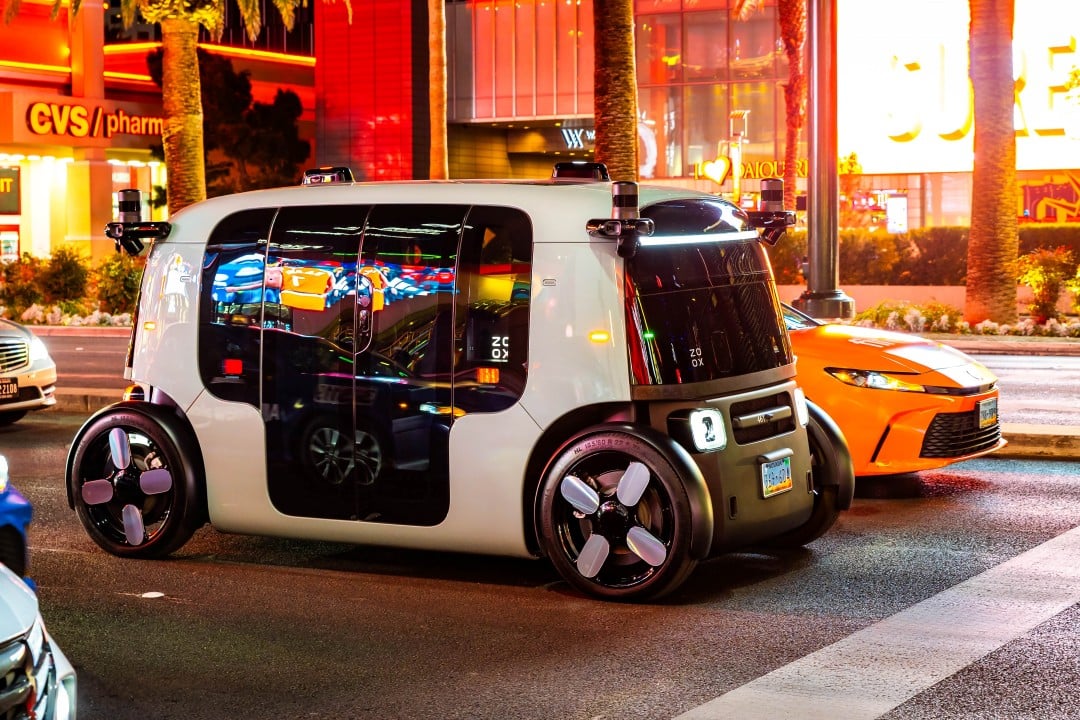
The mobility subsidiary of e-commerce giant Amazon, known as Zoox, has just won a historic green light from the US government. The National Highway Traffic Safety Administration (NHTSA), the main federal traffic regulatory body in the United States, has officially authorized the circulation of the brand’s robotaxis on public roads. Confirmed in the second half of June 2024, the release represents a watershed for the transport industry, as it allows the fleet to operate commercially without any type of traditional human control, such as steering wheels, brake or accelerator pedals. This approval at the federal level places the project on a differentiated level within the competitive automotive innovation market.
Key exemptions granted by the government for innovative design
In order for these futuristic models to leave the laboratories and hit the streets legally, the manufacturer had to request special licenses that circumvent the strict Federal Motor Vehicle Safety Standards (FMVSS). These government concessions are the legal basis that supports the automobile’s peculiar architecture, ensuring that it can run even if it deviates from the industry’s century-old standard. Permissions encompass structural aspects vital to the operation of the fleet:
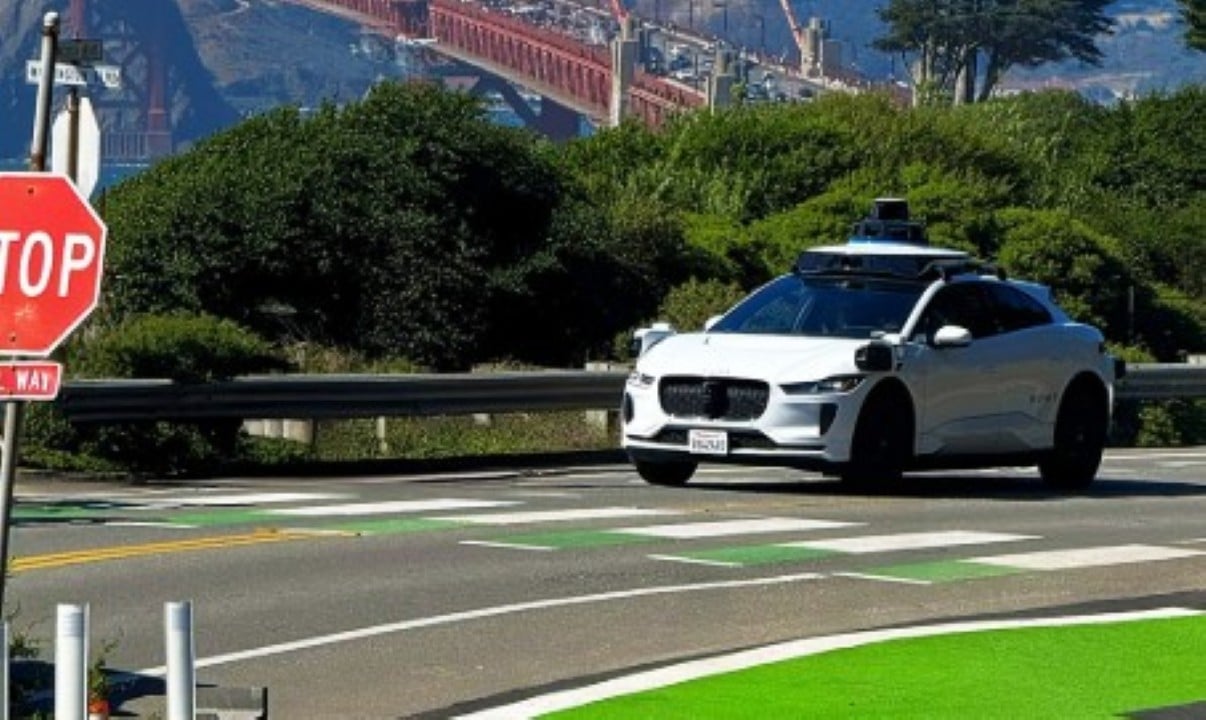
- The complete elimination of the mandatory manual driving equipment, attesting that the machine was born to be guided exclusively by computerized systems and algorithms.
- The total reconfiguration of the passenger cabin, which now has seats positioned facing each other, enabling bidirectional movement without the need for return maneuvers on the road.
This paradigm shift inside the cabin is only possible because the system eliminates the need for the driver. As a result, the space that previously housed instrument panels and steering columns was completely reverted to the comfort of the occupants, creating a kind of living room on wheels that maximizes the use of the vehicle’s internal area.
The importance of removing manual components in the evolution of autonomy
NHTSA’s relaxation of rules carries enormous weight for the technology sector, as it recognizes that the presence of physical controls in a 100% autonomous car can, paradoxically, generate unnecessary risks. In an emergency scenario, idle equipment could cause confusion or even injury to passengers. By validating a project built from scratch to be controlled by artificial intelligence, radars and LiDAR sensors, traffic authorities endorse the idea that the software is capable of fully assuming responsibility for navigation. This consolidates a modern vision of mobility, where the machine not only assists the human, but completely replaces him in the complex task of driving.
Speed restrictions and testing areas defined for the fleet
Despite the great bureaucratic victory, the initial operation of Zoox robotaxis will follow strict precautionary parameters to ensure everyone’s protection. Designed to comfortably accommodate up to four people, the vehicles will have their performance limited to a maximum speed of 56 kilometers per hour, equivalent to 35 mph. In addition to the acceleration limit, the coverage area will be restricted to previously mapped and controlled urban perimeters, with an initial focus on the cities of Las Vegas, in the state of Nevada, and Foster City, in California, where the company maintains its operational headquarters.
The company’s technology director, Jesse Levinson, highlighted that the approval did not occur by chance, but is the result of a long period of practical validation and data collection. According to the executive, the prototypes have already accumulated more than 1.6 million kilometers on public roads during the preliminary testing phases. This massive volume of information processed in the real world was essential to prove to regulators the brand’s non-negotiable commitment to the physical integrity of users and pedestrians who share the urban environment daily.
Regulatory precedents and the current scenario of technology companies
NHTSA’s stance in issuing these exemptions demonstrates an ongoing effort by the United States government not to stifle technological innovation with laws created in the last century. The market had already seen a similar movement when Cruise, General Motors’ autonomous car division, received similar authorizations for its Origin model. However, the robotaxi sector is experiencing intense public scrutiny following recent incidents involving competing fleets in California. In this context of greater demands from the authorities, the approval granted to the Amazon subsidiary gains even more relevance, signaling that federal agencies remain open to approving new projects, as long as the companies demonstrate technical maturity and fail-safe security protocols.
Next steps for commercializing Level 4 transportation
With the legal barrier overcome, Zoox is now directing its efforts towards structuring the logistics of an app-based transport service open to the general public. The company is still keeping the exact date on which the first paying customers will be able to request a ride under wraps, but the newly acquired license allows for an immediate expansion of the test fleet and the improvement of the charging and maintenance infrastructure. The cars operate under what is called Level 4 autonomy, a technical classification that indicates that the system can handle all traffic situations within a specific geographic area, without requiring any human intervention.
This strategic advancement cements Amazon’s position as a leading force in the race to reinvent global urban transportation. By mastering technology from end to end, from manufacturing customized chassis to developing artificial intelligence software, the retail giant is preparing to compete for leadership in a promising market. The expectation of automakers is that, in the coming years, the presence of these bidirectional vehicles will become common in large cities, offering a mobility alternative focused on efficiency and road safety.



