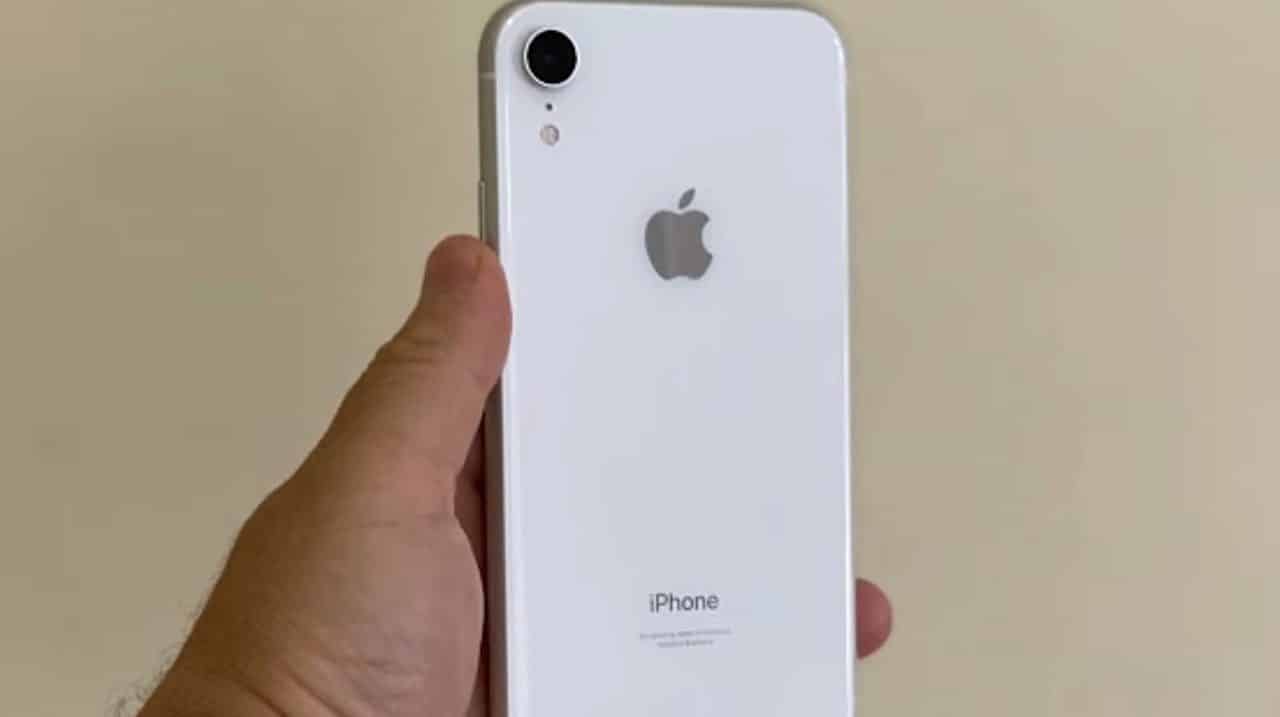
The Cupertino giant’s tradition of renewing its software ecosystem annually brings an inevitable consequence for consumers: the retirement of past generations. With the horizon pointing to the year 2026 and the likely introduction of a new major system package, speculation in the technology market indicates that the iPhone 11 family and the second edition of the iPhone SE, made official between 2019 and 2020, will be left out of the news schedule. This imminent blockage occurs because the internal architecture of these cell phones can no longer handle the load required by modern artificial intelligence tools, which demand much greater processing power than that offered by components manufactured more than half a decade ago.
Apple devices that say goodbye to major software renewals
Observing the manufacturer’s historical behavior in relation to the life cycle of its products, experts point out that the 11 series will reach its operational limit for new systems in two years. Along with these smartphones, the entry-level SE version, launched at the beginning of the current decade, should also have its access blocked for future platforms developed by the company.
- iPhone 11
- iPhone 11 Pro
- iPhone 11 Pro Max
- iPhone SE (2nd generation)
The common factor that unites all the equipment mentioned is the presence of the A13 Bionic chip, a piece of silicon introduced to the world in 2019. The company’s strategy usually involves cutting support for entire generations of processors at once, especially now that the brand’s artificial intelligence suite and other machine learning functions require robust neural engines, something that older hardware simply does not have the physical capacity to deliver. It is important to note that editions prior to these have already been discarded in past cycles.
A crucial point for owners of these devices is to understand that the end of the news cycle does not mean the phone is immediately unusable. Even stagnant on a previous version of the platform, cell phones maintain their primary functions active and, as usual in the brand’s policy, continue to receive emergency vulnerability correction packages for an extra period.
Technical factors that force the retirement of old components
The main obstacle to continued support lies in the physical barrier imposed by hardware in the face of the rapid advancement of mobile technology. Each season, software requires more refined energy management and data reading speed that allows complex algorithms to be run directly on the device, without relying exclusively on the cloud to process advanced information.
Trying to adapt modern codes to outdated architectures creates a bottleneck in development and impairs the overall fluidity of the interface, resulting in crashes and slowdowns. In many cases, software engineers find that newly created resources completely lose their efficiency when forced to operate on processors that were not designed for those specific tasks.
Despite this exclusion process, the North American manufacturer still boasts one of the largest windows of longevity in the global telecommunications market. The average lifespan of a branded smartphone with full updates ranges from five to seven years, a significant milestone that lasts even longer with any security fixes released silently behind the scenes.
List of smartphones that remain on the manufacturer’s official schedule
Confirming market projections, the iPhone 12 family will become the oldest line to support the innovations scheduled for the near future. Based on this cutoff line, the list of equipment capable of downloading the new packages will include the following generations:
- iPhone SE 2022 (3rd generation)
- iPhone 12
- iPhone 12 mini
- iPhone 12 Pro
- iPhone 12 Pro Max
- iPhone 13
- iPhone 13 mini
- iPhone 13 Pro
- iPhone 13 Pro Max
- iPhone 14
- iPhone 14 Plus
- iPhone 14 Pro
- iPhone 14 Pro Max
- iPhone 15
- iPhone 15 Plus
- iPhone 15 Pro
- iPhone 15 Pro Max
- iPhone 16
- iPhone 16 Plus
- iPhone 16 Pro
- iPhone 16 Pro Max
- iPhone 17
- iPhone Air
- iPhone 17 Pro
- iPhone 17 Pro Max
Useful life projections for users of lines 13 and 14
Analyzing the company’s behavior pattern, experts calculate that the 13 series will reach its expiration date for major software changes around 2028, completing a seven-year cycle since its arrival in stores. For owners of generation 14, the closing window should occur between the years 2027 and 2029, reinforcing the need to follow the company’s annual communications to plan future equipment changes.
Practical impacts on daily use of a cell phone without official support
The absence of new system packages gradually transforms the user experience, bringing restrictions that worsen over time. Even with timely security patches, the device is more exposed to complex digital breaches, while developers of banking applications and social networks start to demand recent versions of the platform, preventing downloads or blocking the functioning of essential everyday tools. The owner also stops taking advantage of visual modifications and loses the guarantee of pairing with recently launched accessories.
However, the device does not turn into a paperweight the day after the official cut. Basic functions such as phone calls, sending SMS messages, browsing web pages and capturing photographs remain intact, operating perfectly within the limits of the installed version. The big challenge for consumers is to deal with the progressive loss of compatibility and the increase in cyber risks as the years progress.