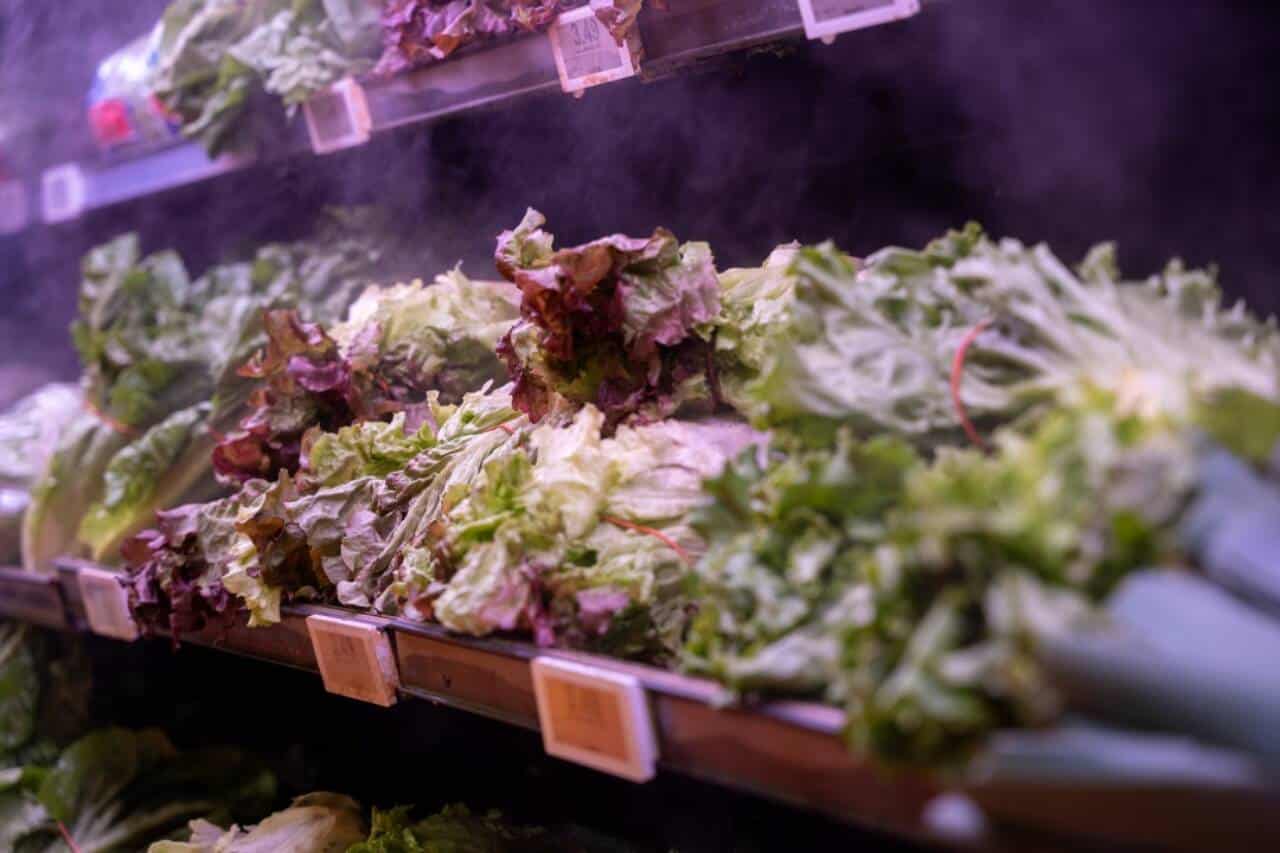
Commercial establishments that use lettuce on their menus face a challenging period, with the situation coming to the fore on July 30, 2026.
In the first half of 2026, product values increased significantly, driven by high temperatures in Arizona, a state responsible for approximately a third of lettuce production in the United States. Currently, the food sector is also facing an outbreak of cyclosporiasis associated with chopped lettuce, which has already affected the health of thousands of citizens in the United States, creating a scenario of double concern for the consumer and the food supply chain.
Yum Brands, Taco Bell’s parent company, announced that the chain’s comparable sales in the United States fell 2% between July and September, reflecting consumers’ apprehension about the outbreak. Previously, from April to June, the company had seen a 7% growth in these same sales.
Federal health officials first linked the outbreak, which causes diarrhea, to shredded iceberg lettuce served at Taco Bell locations in Indiana, Kentucky, Michigan, Ohio and West Virginia. The US Food and Drug Administration (FDA) later confirmed that customers in Illinois, Kansas, Oklahoma and Pennsylvania also showed contamination.
On July 17, Taco Bell removed shredded iceberg lettuce supplied by Taylor Farms from its U.S. locations. On July 18, Taylor Farms itself recalled iceberg lettuce grown in central Mexico.
Taco Bell’s sales reached their most critical point on July 18 and 19, but have shown consistent recovery since then, as stated by Ranjith Roy, chief financial officer of Yum Brands, during a conference call with investors. He added that in the last four days, Taco Bell’s revenue in the United States has recovered to half the level reached in the same period last year.
Chris Turner, CEO of Yum Brands, said that Taco Bell’s agility in controlling the situation and clarity in communication across digital platforms were crucial to consumers’ return. The chain also sought to win back the public with daily offers, such as Mexican pizza for US$1.
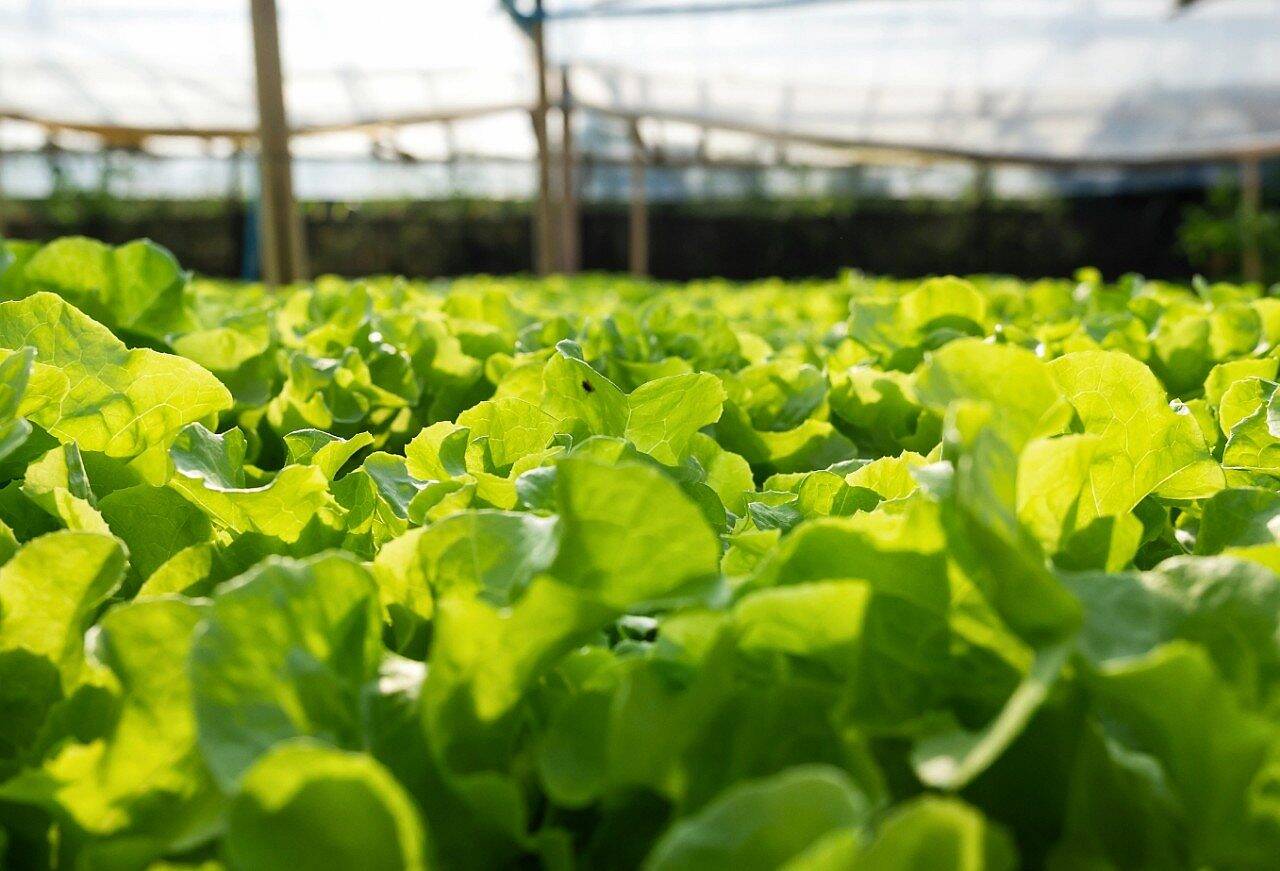
“When it comes to consumer perception, we have seen a genuine improvement as customers have a better understanding of the nature of the issue,” said Turner. He added: “They understand this is not a problem unique to Taco Bell.”
Yum Brands shares registered an appreciation of 3.3% in the market.
Other restaurant chains are also facing the effects of the outbreak, even without being mentioned in official investigations. Chipotle Mexican Grill reported that it projects an increase of just 1% in comparable sales between July and September, attributed to the reduction in customer flow due to the outbreak. Previously, the company expected a 3% growth in sales for the same range.
On July 18, customer traffic at Chopt, a salad bar chain with 105 units, fell by 24% compared to the expected average for the period, according to data from Placer.ai, a market research company. M Science, another company in the sector, found a decrease of 10 percentage points in the Sweetgreen chain’s weekly spending in the first half of July, compared to the previous year.
Chopt did not comment on the matter. Sweetgreen, which has 285 units in the United States, did not confirm the reduction in sales and said, in a statement, that its food products are not linked to the current outbreak of cyclosporiasis.
“We adopt rigorous food safety standards and are able to trace our ingredients from the restaurant to the farm,” the company said.
The number of Cyclospora cases continues to rise. As of July 27, the U.S. Centers for Disease Control and Prevention (CDC) has reported 6,707 laboratory-confirmed cases. The CDC is investigating several sources of contagion, including a new outbreak with 72 people, recently reported. As the FDA’s investigation progresses, officials are expected to better understand the connections between the illnesses and the “real complexity of this outbreak,” according to Craig Hedberg, a food safety researcher at the University of Minnesota.
The current outbreak comes in an already difficult year for the lettuce sector and salad lovers. Government data indicates that the retail price of a pound of iceberg lettuce increased nearly 20% between January and June 2026. The U.S. Department of Agriculture reported that last month, consumers shelled out, on average, 33% more for fresh lettuce compared to the previous year.
Lettuce prices announced by large supermarkets reached, on average, US$1.86 per head of iceberg lettuce, representing an increase of 25 cents compared to the same period of the previous year, according to the United States Department of Agriculture (USDA). A head of red lettuce sold for $1.66 (52 cents more), and a bunch of romaine lettuce went for $2.49, an increase of $1.55, according to the department.
However, consumers found some relief in some varieties of salad mixes, which were offered in stores at prices between 7 and 24 cents lower than the previous year, the USDA said.
Elizabeth Canales, associate professor of agricultural economics at Mississippi State University, explained that unusually warm weather in Arizona earlier this year caused crops to ripen early. This situation led to major supply interruptions until Californian production began at the end of April.
Fuel costs, which rose after attacks by the United States and Israel against Iran and the subsequent Iranian blockade of most oil tankers leaving the Persian Gulf, represent another challenge, according to Canales. Lettuce, being a highly perishable product, requires constant refrigeration from harvest to point of sale, added the teacher.
“It is essential to maintain the cold chain. Cooling and transportation are aspects of great importance,” said Canales.
Lettuce has a history of being associated with several food poisoning outbreaks, including two cases in 2018 of E. coli linked to romaine lettuce grown in Arizona and California.