Mental exhaustion keeps Ariana Grande away from the stage after the end of her global tour

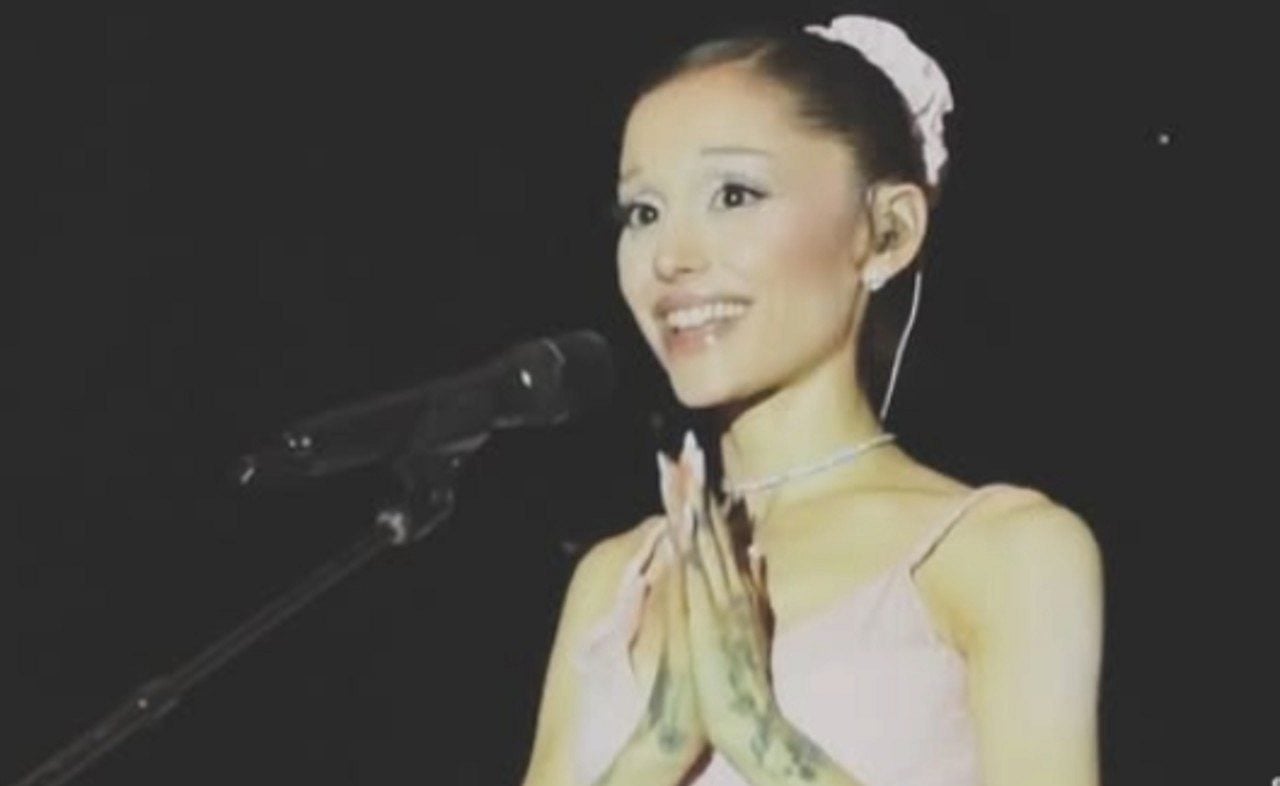
The mental exhaustion caused by extreme media surveillance led Ariana Grande to confirm, on August 2, 2026, an indefinite period of leave from her public activities. Documents released by the American artist’s legal team indicate that the decision will come into force immediately after the conclusion of her global stage commitments. The episode reignites deep discussions about the invasion of privacy in the age of social networks, highlighting the psychological damage that constant monitoring causes to figures of great global prominence.
The music industry’s machinery tends to demand uninterrupted productivity from its main talents, creating a release cycle that rarely allows for adequate physical recovery. The composer’s choice, however, aligns with a recent movement of big names in music who prefer to interrupt their schedules before a total collapse. Daily harassment from photographers and overexposure on digital platforms turned the singer’s routine into an unhealthy environment, leading her managers to restructure all future plans to guarantee the star’s integrity.
Search for insulation reflects aesthetic pressure and demands from the industry
At 33 years old, the vocalist has accumulated severe wear and tear due to the marathon of international travel in recent months, which culminated in the urgent need for isolation from the media. Their spokesmen detailed that the priority goal is to finish the Eternal Sunshine Tour performances with balance, guaranteeing a period of absolute rest immediately after the end in the English capital. Choosing your own well-being breaks with the historical pattern of unrealistic demands directed at women in the music market, who are often pressured to maintain an image of unattainable perfection.
The seclusion schedule requires the immediate cancellation of photo shoots, exclusive interviews and appearances on red carpets that usually fill the schedule of a celebrity of this caliber. Professionals involved in the production say that the exit from the spotlight will occur gradually, preparing the fan base for the severity of the situation without suddenly abandoning the stage. The strategy aims to transform the last shows into a celebration of personal overcoming, inaugurating a phase dedicated entirely to silence and medical recovery.
Departure of musical in London alters European theater circuit schedule
The separation from professional obligations goes beyond the universe of large musical arenas and directly affects highly prestigious commitments on the European cultural circuit. One of the first casualties of this restructuring was the artist’s departure from the cast of a long-awaited show created by legendary composer Stephen Sondheim. Independent producer Empire Street Productions has made it official that the North American will no longer be part of the production team scheduled to premiere next year at the traditional Barbican Center in London.
Abandoning the project “Sunday in the Park With George” highlights the singer’s level of exhaustion, as her foray into the theater stage marked a fundamental advance in her career as a dramatic actress. To measure the impact of this turnaround on the star’s routine and on the entertainment market, it is necessary to analyze the practical consequences of his choice:
- The current world tour will end in London, strictly complying with the contractual obligations already signed with local promoters.
- The European theater production will need to cast a new protagonist quickly to avoid delaying the rehearsal schedule.
- All advertising campaigns and negotiations for new roles in cinema or television were suspended with no return date.
The theatrical ecosystem requires months of total immersion, exhaustive rehearsals and daily contact with the press and directors, a dynamic completely opposite to the isolation that the composer currently seeks. Giving up such a sought-after role in London’s West End makes it clear that the focus at the moment is far from the accumulation of awards or financial returns, concentrating on emotional survival in the face of a scenario of toxic overexposure.
Last studio release already indicated signs of psychological exhaustion
Even before the official confirmation of the break, more attentive listeners were already noticing signs of fatigue in the most recent material delivered by the artist. The eighth studio album, called “Petal” and released on July 31, 2026, brought a dense and melancholic sound, radically distancing itself from the pop beats that made it famous worldwide. The unreleased compositions function as a direct outburst against paparazzi persecution and the spread of cruel judgments about her personal choices and physical appearance.
Internet forums and sensationalist magazines promoted invasive debates about the singer’s weight fluctuations, establishing a virtual court focused on analyzing every inch of her body. The continued objectification and formulation of headlines based on baseless medical speculation has accelerated the desire to disappear from public view. The recently released album therefore acts as an artistic record of this dark phase, translating into minor chords the frustration of existing under the sights of cameras and unsolicited opinions.
British producers support decision while looking for replacement for part
Even with the logistical disruptions caused by the sudden cancellation, the team responsible for the London show adopted a completely welcoming stance. In a statement distributed to British newspapers, Empire Street Productions executives highlighted that they understand the seriousness of the situation faced by the celebrity and offered unrestricted support for his choice. The company’s public text emphasized that human health needs to prevail over any commercial agreement, wishing a full and peaceful recovery for the star.
The entertainment industry, which in past decades used to punish breaches of contract with million-dollar lawsuits and defamation campaigns, today displays much greater sensitivity towards mental health. This paradigm shift reflects an evolution in dealing with arts professionals, driven by previous tragedies involving pop idols, as occurred in the early 2000s with artists who did not have the same chance to interrupt their routines before a public collapse. The theater company assured investors that the play’s schedule remains maintained, immediately starting tests to find a new big name to take the lead of the project.
As producers race against time to reshuffle the UK cast, the singer prepares to bring the curtains down on her world tour in the coming weeks. Voluntary distancing ends an era of overexposure and ushers in a period of uncertainty about when, or if, she will return to the same work model. The episode works as a blunt warning about the limits of fame and the urgent need to establish ethical boundaries when covering the lives of public figures, proving that commercial success does not immunize anyone against emotional illness.