Google launches Fitbit Air smart bracelet for R$520 with a focus on artificial intelligence
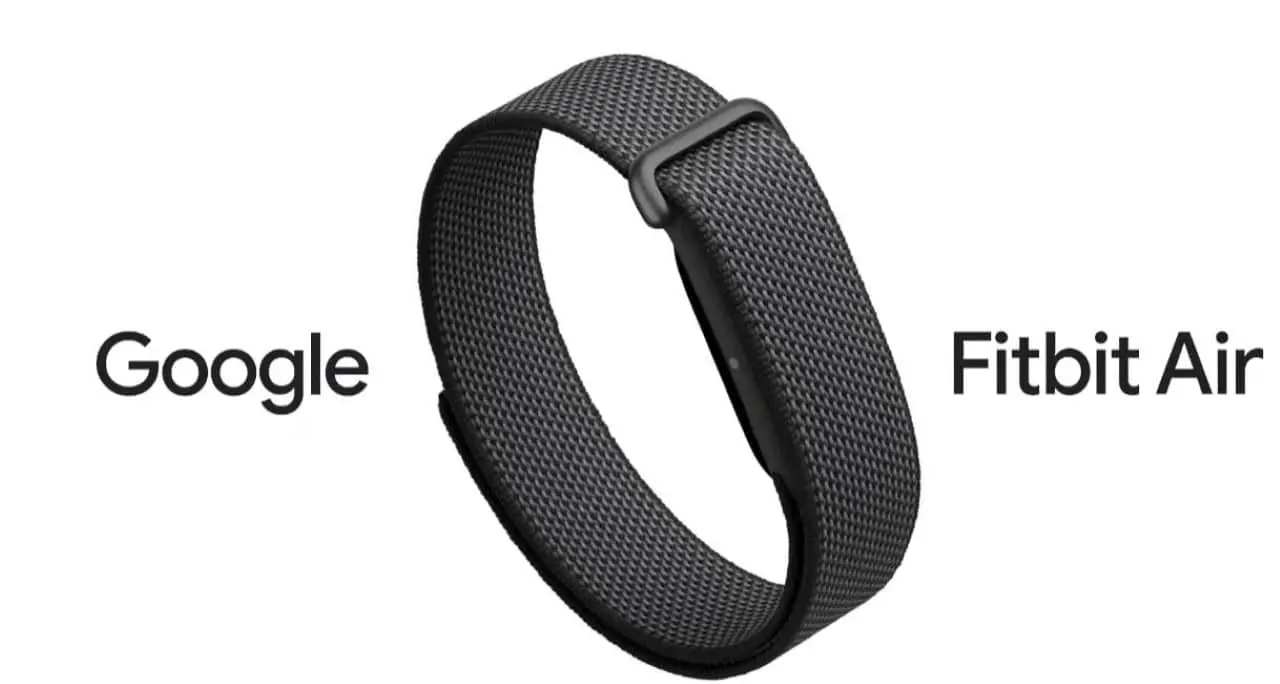
Technology giant Google has officially launched the Fitbit Air smart watch on the global market, costing US$100 and featuring an advanced artificial intelligence system aimed at physical well-being. The equipment enters the competition for consumers who currently use Whoop, a brand already established in the high-performance segment. The manufacturer’s strategy combines traditional exercise monitoring with reports that anticipate the user’s bodily needs.
Technical details and construction of the new smart watch
The device’s appearance follows a discreet line, delivering a 1.3-inch AMOLED display framed by an anodized aluminum structure. The energy capacity guarantees a full week away from the socket in standard mode, dropping to four days if the continuous AI monitoring features remain on. Weighing 29 grams, the accessory also allows diving up to 50 meters deep.
The hardware suite houses a multi-band heart rate reader, blood oxygen meter, gyroscope and accelerometer. In terms of connections, the user has Wi-Fi 6E, Bluetooth 5.3 and NFC technology, which facilitates contactless payments directly from the wrist. There is also an 8 GB internal space for storing data without the need for internet and running your own programs.
More on this story: Next generation of Apple Watch Ultra relies on S11 chip and pressure monitoring
How the algorithm-based virtual coach works
The product’s biggest bet goes by the name of Fitbit AI Coach, an intelligent system programmed to cross-reference information about nighttime rest, heart rate variations and movement throughout the day. This tool generates instant advice for each person, indicating the exact time to rest, the strength that should be applied in the gym and the best times to break a sweat.
- Prediction of the user’s physical disposition with a three-day window in advance.
- Warnings are triggered immediately if the heart rhythm presents any irregularity.
- Guidance on water and food consumption based on vital signs captured.
- Direct connection to company platforms, such as YouTube Fitness and Google Fit.
- Communication with the Google Calendar agenda to find gaps in the routine and fit in training sessions.
To create this technology, engineers fed the software with de-identified information from two million of the brand’s former customers, ensuring that the answers work for people of different ages and physical sizes.
Market dispute against luxury brands and traditional models
Its main rival in the high-performance sector, the Whoop bracelet, requires a monthly payment of $30 or a one-time outlay of $500, focusing almost exclusively on preventing overtraining of athletes. Google’s launch attempts to break this financial barrier, delivering similar functions for a fraction of the cost to attract the average consumer.
Learn more: Google’s new bet, Fitbit Air watch focuses on AI and arrives in Brazil for R$520
Popular options like the Samsung Galaxy Watch 7, which retails for US$299, and the Apple Watch Series 9, which starts at US$399, operate in a higher price category and function as complete extensions of the cell phone. The new bet tries to fit exactly in the empty space between a basic watch and complex medical equipment.
The current scenario has the following characteristics by manufacturer:
- Fitbit Air: bets on artificial intelligence to predict tiredness, charges little and has a long-lasting battery.
- Whoop: targets professional athletes, creates training communities and charges a monthly fee.
- Apple Watch: works perfectly with the iPhone, makes calls and has a huge app store.
- Samsung Galaxy: features a wider display, its own operating system and average purchase price.
Aggressive prices in Brazil and launch dates in stores
Global sales begin on June 1st, reaching shelves in 45 nations, with Brazil on the priority list. The value stipulated for the national market is R$520, a surprisingly aggressive conversion that ignores the traditional price doubling caused by import taxes in the electronics sector, making the product highly competitive here. Reservations have been available in the manufacturer’s online store since May 26th.
See Also

David Jolly secures Democratic seat to run for governor of Florida in 2026
Jolly wins Democratic nomination for governor of Florida in the USA

Meta (WhatsApp, Instagram and Facebook) is subject to trial in the USA for damaging the mental health of young people with fines of US$ 1.4 trillion
Consumers will be able to choose between Sage Green, Cloud White and Midnight Black shades. Anyone who wants to change the bracelet style will need to pay US$25 for each extra unit. The company also prepared a promotion for recent buyers, cutting the value of the annual Fitbit Premium service plan by 40%, which costs US$60 during the first year of use.
On the same topic: Google’s Pixel Watch 5 boosts artificial intelligence and health features
This commercial movement reinforces the company’s intention to dominate the area of digital preventive medicine, a sector in which it already operates through partnerships with renowned institutions such as the Mayo Clinic. The newly announced model marks the third wave of devices developed entirely under the umbrella of the search giant, which purchased the original brand in 2021.
Medical approvals and security of user data
The equipment passed the scrutiny of rigorous bodies, achieving the European Conformity seal and FDA clearance in the United States as a class II medical item, which validates its cardiac reports for use in offices. The electrical part and internal system have undergone external tests that guarantee compliance with the IEC 60601-2-47 safety standard.
The body information captured communicates directly with Google Play Services, but the history of sweat and physical effort is only stored in the watch’s memory, unless the owner authorizes sending. Those who prefer to save everything on Google Cloud have end-to-end protection, and the terms of use expressly prohibit raw health statistics from being sold or passed on to other companies.
More on this story: Pixel Watch 5 leak reveals Stephen Curry edition with design inspired by the Fitbit Air
First impressions from critics and sales projection
The first tests carried out by technology journalists highly praised the battery life and the accuracy of the pulse reader. On the other hand, complaints focused on the small size of the display and the virtual trainer’s delay in understanding the person’s routine, an adaptation process that requires up to three weeks of uninterrupted use to generate truly useful advice.
Financial experts estimate that almost three million pieces should be sold in the next twelve months. This optimistic expectation is supported by the growing search for smart wearable technologies and the rapid expansion of telemedicine services in populated regions such as Asia and Latin America.