

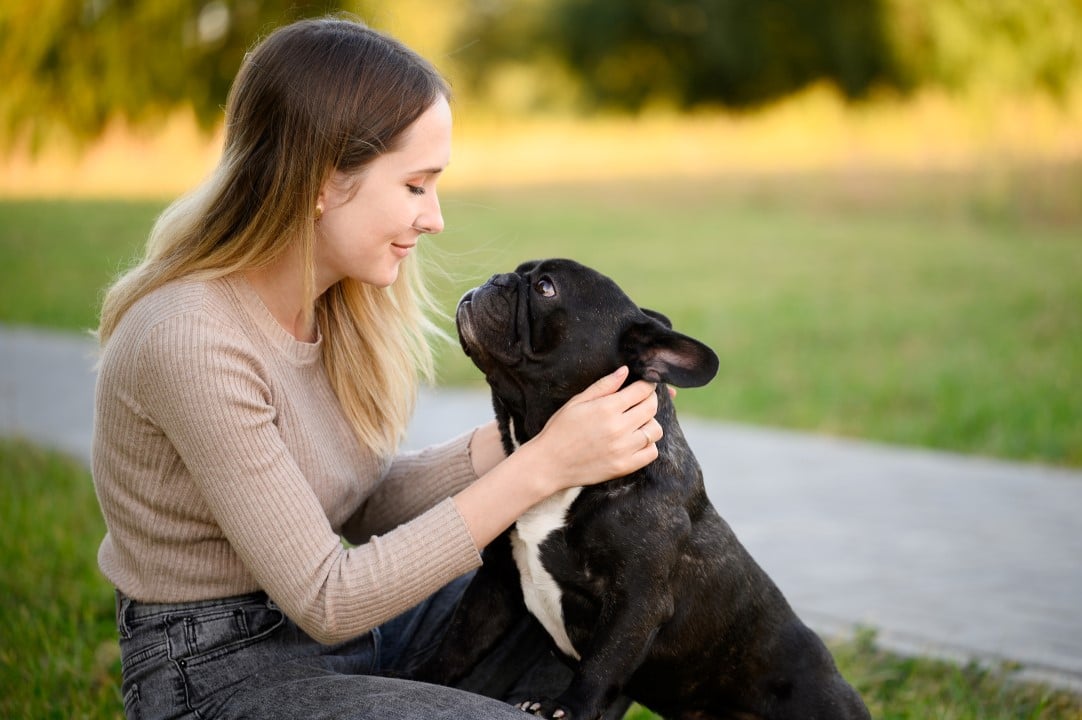
A recent brain analysis has shown that dogs can recognize feelings in human facial expressions, as discovered by scientists at the University of Vienna, who call the discovery the first proof of this ability.
For the study, scientists employed machine learning techniques to examine MRI images of the brains of twelve dogs. During the process, the animals were exposed to photographs of human faces that expressed various emotions, as communicated by the university.
The findings indicated that brain areas associated with advanced cognitive functions and the reward system, specifically the temporal cortex and the caudate nucleus, showed activity only when the dogs saw images of unfamiliar individuals who demonstrated happiness.
Expressions such as anger, fear and sadness, however, did not trigger the activation of these same regions. The research was published in the journal iScience, from Cell Press.
Learn more: How to identify whether your dog is right-handed or left-handed and the influence on animal personality
Despite this, a global analysis of the brain revealed distinct patterns of neuronal activity, which made it possible to differentiate fear from anger and sadness. This represents the first evidence that dogs can discern specific negative facial expressions from each other.
“Dogs have developed alongside us, learning to interpret our expressions and interact cooperatively. Understanding this ability can transform the way we interact with them and provide them with care,” said study lead author Laura Cuaya.
On the same topic: Petting cats in times of stress can increase emotional discomfort, according to study

The next steps of the research include investigating how dogs combine other cues, such as body language, voice variations and scent, to better understand humans in their environment.
The researchers also intend to compare the way in which the brains of humans and dogs process the same emotional stimuli.
The scientists also highlighted that all the dogs that participated in the research were pets from homes with dedicated families. They warned that dogs living in different conditions may exhibit different responses to emotional signals from humans.