The global digital entertainment market is undergoing a profound transformation that directly affects the most traditional video game franchises. Square Enix decided to change the historical route of one of its most valuable intellectual properties, abandoning the exclusivity model. This paradigm shift reflects the urgent need for large producers to adapt in the face of rising development costs and new profitability requirements. The transition marks the end of an era for the Japanese company’s ultra-high-budget releases.
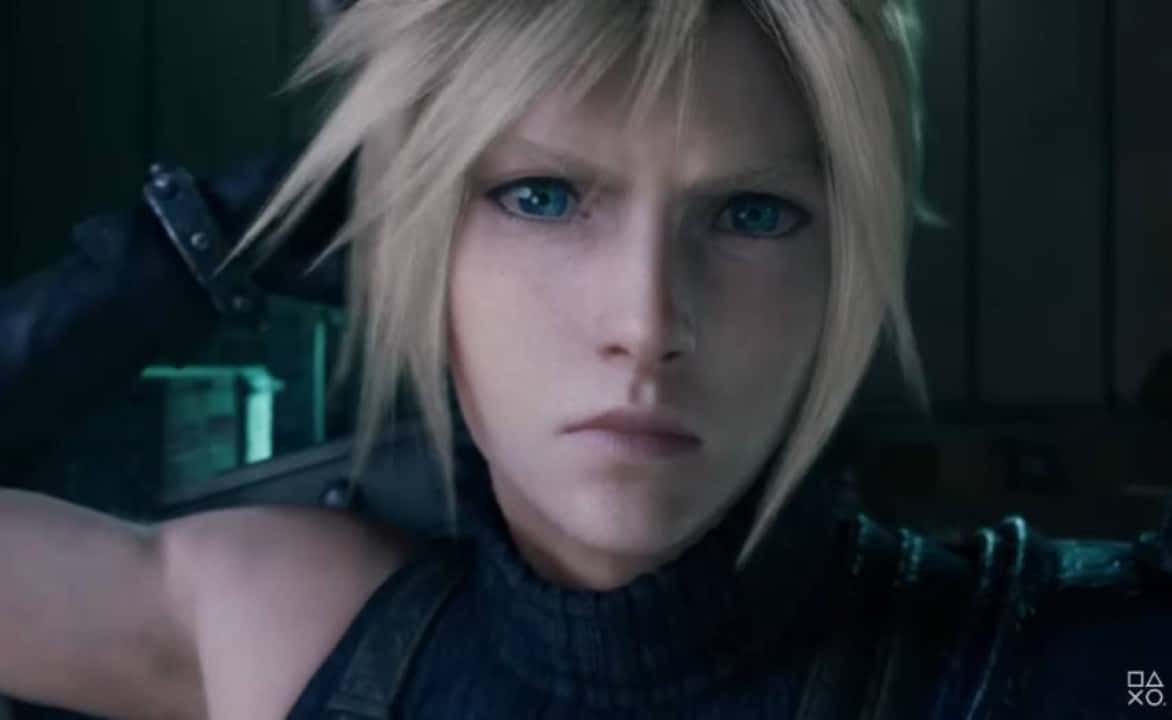
The developer has made it official that the third and final part of the Final Fantasy VII recreation project will arrive simultaneously on PlayStation 5, Xbox Series X|S and computers. The measure ends the temporary exclusivity format adopted in the first two volumes of the trilogy, which were restricted to Sony consoles at launch. The new guideline emerged after internal meetings that evaluated the company’s recent financial reports, highlighting the need to maximize the product’s reach from the first day in stores. The board of directors concluded that immediate presence on all digital platforms is the only viable path for the future of the franchise.

New commercial strategy seeks to reverse financial results below expectations
The producer’s current business plan, focused on restructuring, recognizes that limiting initial access to just one ecosystem harmed the revenue potential of its super productions. Although the previous chapter, Rebirth, received very high marks from specialized critics, the volume of copies sold did not reach the profit margin required to cover the million-dollar investments. The transition to the multiplatform format appears as the main solution to correct this gap in the company’s cash flow. Building the world that will end the saga demands an immediate financial return, something that only the sum of the installed bases of all consoles and PCs can guarantee.
Financial sector analysts note that the PlayStation ecosystem’s barrier to entry has alienated a significant portion of the global consumer audience. Millions of players had to wait more than a year to access the computer versions, which cooled organic interest and reduced the impact of word-of-mouth marketing on social media. Square Enix’s current stance eliminates this waiting period, allowing combined sales to amortize production costs more quickly. Furthermore, today’s internet culture demands immediate consumption to prevent crucial story details from being revealed before audiences have a chance to play.
Closeness with Microsoft guarantees unprecedented arrival of the franchise on Xbox at launch
Microsoft devices represent a gigantic consumer market that, for a long time, was kept at bay by Japanese RPG publishers. The scenario began to change with the expansion of the Game Pass service and the acquisition of Activision Blizzard, events that reconfigured the strength of the American brand. Square Enix directors understood that ignoring a base of tens of millions of active users constituted a serious strategic error. The rapprochement began last year with the arrival of smaller titles in the Xbox catalog, and is now consolidated with the company’s main brand. The team led by Phil Spencer celebrates the decision, which will guarantee owners of the green console the same experience on opening day, without delays.
Adapting the source code for Xbox Series X and S requires additional effort from the software engineering team to get the most out of the hardware. Editions for desktop computers also receive increased attention, with the aim of avoiding the optimization problems that marked the producer’s previous releases on PCs. The established technical goal is to deliver stable frame rates and high fidelity resolution, regardless of the machine chosen by the consumer. Quality control tests will occur in parallel on all development fronts.
Advances in development promise massive expansion of the virtual world
Programming work is progressing at a rapid pace at the company’s offices in Tokyo. Director Naoki Hamaguchi confirmed that the main structure of the narrative has already been fully defined and that the actors’ voice recording sessions have begun. The technical team tests with Unreal Engine 5 to implement the latest rendering technologies on the market. This graphics engine update will allow the creation of much larger and more detailed environments, raising the visual fidelity of cities and natural scenes to a new level of realism.
The core of the project directly reflects the exploration mechanics that players will have at their disposal. Programmers work on optimizing the navigation system to allow crossing large oceans and continents aboard the Highwind aircraft.
- The Highwind aircraft will offer free flight across the entire length of the world map.
- The combat system will receive adjustments based on community feedback from the first game.
- Secondary missions will have a greater impact on character development and growth.
- The transition between different areas of the map will occur seamlessly, without loading screens.
To make free flight viable, the method of loading data into the devices’ memory had to undergo a complete restructuring. The use of solid state disks present in current generation consoles eliminates interruptions during aerial navigation. The sensation of scale and freedom of movement promises to be something unprecedented in the history of the franchise.
End of hardware barriers dictates new rules for the gaming industry
Square Enix’s resolution reverberates throughout the electronic game production market, serving as a thermometer for other Japanese studios. The practice of linking a major launch to a single hardware manufacturer is quickly losing strength in the current scenario. The multiplatform model emerges as the only safe way to justify and recover the capital invested in colossal budgets. The commercial performance of this third chapter will dictate the rules for the company’s next projects, while the interactive entertainment industry moves towards an inevitable consolidation of operating costs.
Ultimately, the strategy meets the requests of veteran fans and facilitates the entry of new consumers. The recreation of the 1997 classic consumed a decade of human and financial resources, and simultaneous distribution democratizes access to this work of digital pop culture. PC, PlayStation and Xbox players will share the same experience at the same time, strengthening the global RPG community by breaking down the physical barriers of consoles. The joint launch meets the business metrics established by the board and ends the journey of a title that marked generations.