
End of exclusivity brings the last chapter of Final Fantasy VII simultaneously to all consoles

The global interactive entertainment scenario is undergoing a profound transformation that directly affects the strategies of large developers. Square Enix, one of the giants in the sector, decided to abandon the platform restriction model for one of its most valuable franchises. This change of route comes after an internal restructuring of the board and the lower-than-expected commercial performance of high-budget productions. In the current technological environment, rapid adaptation has become a survival requirement for software publishers.
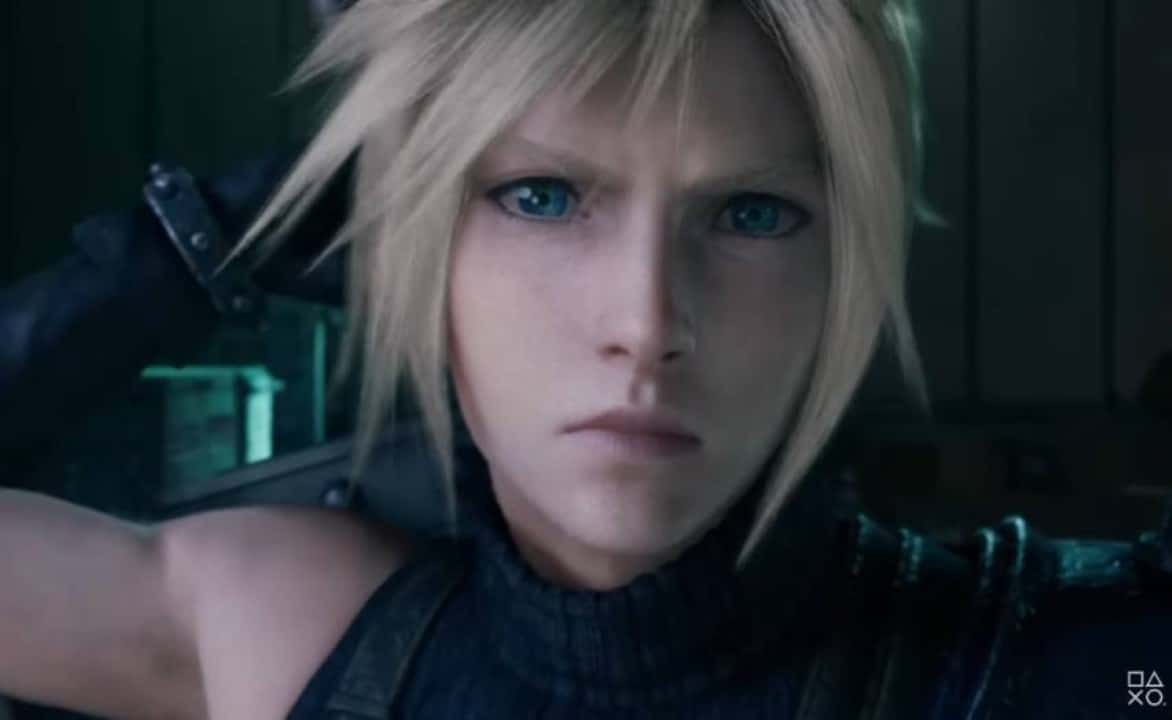
The Japanese producer has made it official that the third and final part of the Final Fantasy VII recreation project will arrive at the same time for PlayStation 5, Xbox Series X|S and computers. The measure definitively puts an end to the temporary exclusivity format that marked the launch of the first two chapters of the saga, which began in 2020. After a rigorous analysis of the latest financial statements, the company’s top management approved unprecedented guidelines for the distribution of the title. The central objective of this maneuver is to guarantee the largest possible customer base on the first day of sales. Executives understood that simultaneous presence in the main digital showcases is essential to reach a global audience effectively.

New commercial strategy seeks to reverse the publisher’s recent losses
The business plan, internally called “Reboot”, establishes the new operating rules for the company’s Asian studios. Management found that restricting initial access to just one ecosystem drastically limited the revenue ceiling for overproduced works. Although the previous title, Rebirth, received high marks from specialized critics, the volume of copies sold was not enough to cover the exorbitant development costs and generate the profit margin demanded by shareholders. The transition to the multiplatform format appears as the immediate solution to close this account. The construction of a complex three-dimensional universe demands a quick financial return, something that only the sum of all installed hardware bases can provide.
Financial sector analysts highlight that the barrier to entry for Sony’s ecosystem is shifting towards the average consumer. The old exclusivity model forced millions of computer users to wait years for a conversion of the original code. This long waiting period cooled the public’s organic interest and diluted the impact of marketing campaigns. Square Enix’s new stance eliminates this window of commercial idleness. The sum of sales on all fronts ensures that the total budget for next-generation consoles boosts revenue right from the start. Additionally, current social media dynamics require simultaneous releases to prevent crucial plot details from being revealed before everyone has had a chance to play.
Approximation with the Microsoft platform redefines distribution of RPGs
The acceptance of Microsoft devices represents a historic bridge between the two technology powerhouses. For a long time, the Japanese publisher maintained a strategic distance from American consoles when it came to its biggest RPGs. With the aggressive expansion of the Game Pass service and the acquisition of Activision Blizzard, the market landscape has undergone a drastic change. Square Enix directors realized that ignoring an environment with tens of millions of active subscribers constituted a serious commercial error. This rapprochement began last year, with the arrival of smaller titles in the Xbox catalog. Now, with the injection of a product from the main line, the partnership takes on a definitive shape. Owners of the green console will experience the outcome of the narrative without delays, while programming teams work to ensure that all versions deliver exactly the same quality on launch day.
Adapting the game architecture to the Xbox Series X and Series S systems requires additional effort from software engineers. The edition aimed at desktop computers also receives extra attention to overcome the optimization problems that affected the producer’s previous releases. The established goal is to deliver textures in high resolution and a stable frame rate, regardless of the equipment chosen by the customer. To guarantee this standard, quality control tests occur in parallel on all development fronts.
Advances in the graphics engine increase the realism of virtual exploration
The creation process progresses at a fast pace in the offices located in Tokyo. The design team has already completed the complete mapping of the planet’s northern hemisphere, which will serve as the main stage for the final events of the plot. The cast of actors responsible for dubbing the characters began recording sessions in the audio studios. At the same time, the technical department is evaluating the transition to a more modern rendering engine, aiming to get the most out of recent lighting tools. This technological update will allow the construction of a much denser virtual environment. The level of detail in metropolises and natural landscapes will reach an unprecedented level of visual fidelity.
The essence of the project directly reflects the exploration mechanics offered to users. Programmers pay special attention to refining animation systems, with the aim of creating a fluid transition between aerial navigation and ground impacts.
- The Highwind aircraft will be able to fly over the world map in a completely free and controllable way.
- The combat system receives fine adjustments based on community feedback on previous titles.
- Secondary missions will have a greater impact on the narrative development of each group member.
- Traveling between different regions of the continent will occur without visual interruptions on the screen.
To enable the aircraft to fly freely, the method of loading data into the devices’ memory had to be rewritten from scratch. The use of solid state storage units, present in current hardware, eliminated the need to create artificial corridors to mask the loading of scenarios. The geographic scale presented in this chapter surpasses any other iteration already produced within the franchise.
The end of hardware barriers dictates a new trend in the gaming industry
Square Enix’s decision reverberates throughout the global electronic games market. Other traditional studios in Japan are closely watching the developments of this commercial maneuver. The abandonment of loyalty to a single console manufacturer in favor of maximizing software sales consolidates an irreversible trend. The multiplatform format has established itself as the only safe way to finance works that consume hundreds of millions of dollars. The financial performance of this third party will dictate the production rules for the company’s next major investments. The interactive entertainment sector as a whole welcomes the end of exclusives as a natural maturation of the medium.
The conclusion of the trilogy carries the responsibility of pleasing veteran fans and retaining newcomer audiences. The effort to recreate the 1997 classic has mobilized a colossal amount of human and financial resources over the last decade. Simultaneous distribution democratizes access to one of the landmarks of digital pop culture. Computer, PlayStation and Xbox users will share the same experience at the exact moment the servers are released. Breaking down these hardware barriers strengthens the global community of RPG enthusiasts. The original work marked an entire generation, and the board is working to ensure that this closure meets all established financial goals.



