J.K. Rowling’s demand prevented Robin Williams from playing Hagrid in Harry Potter

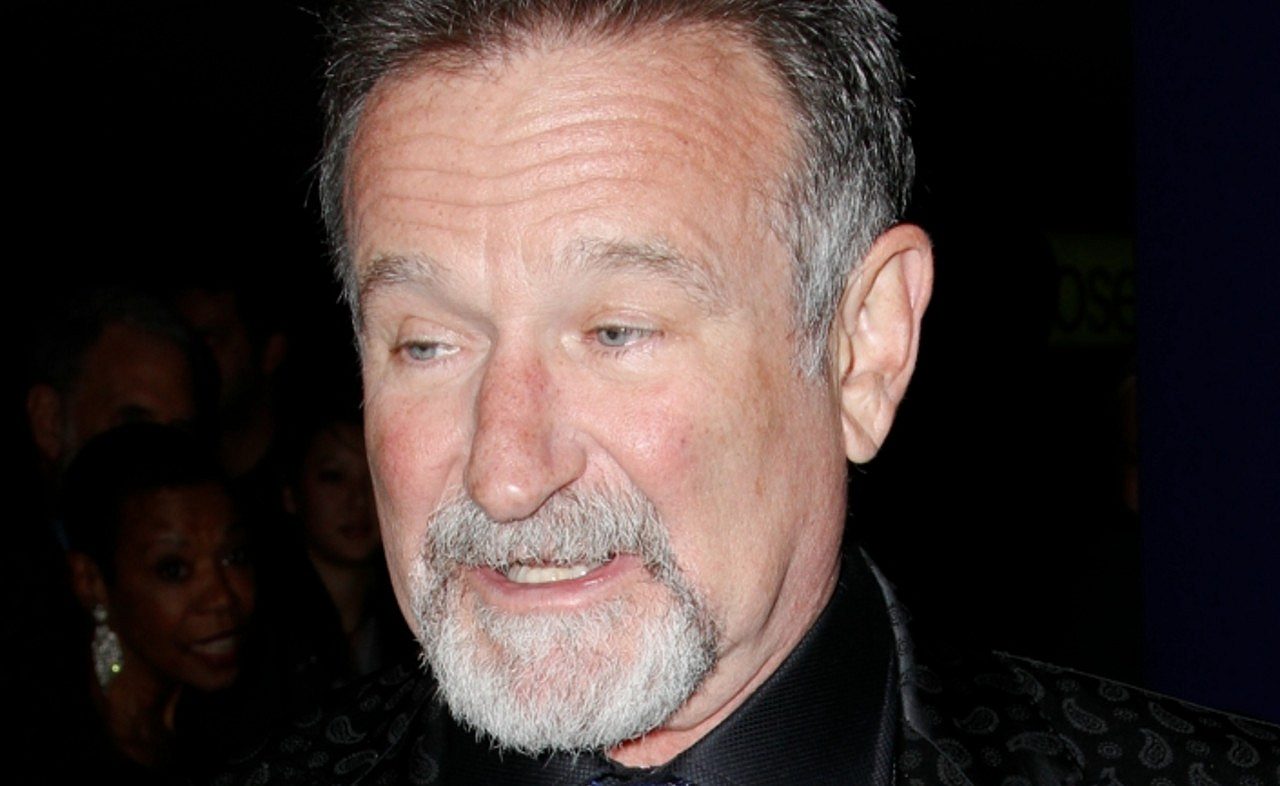
Considered one of the greatest talents in comedy and drama in Hollywood, the American star had a deep fascination with joining the magical universe created in the nineties. Despite boasting an enviable CV and a legion of fans around the planet, the comedian ran into an inflexible contractual clause that prohibited him from even demonstrating his skills to the producers of the film adaptation. This geographic barrier forever changed the course of the billion-dollar franchise.
The target of the star’s desire was one of Hogwarts’ most beloved guardians, an essential father figure for the protagonist of the saga. The impossibility of carrying out a camera test frustrated the artist’s plans, leaving the public only to imagine what his eccentric and affectionate interpretation would be like. Ultimately, the role fell into the hands of a veteran who immortalized the half-giant, transforming the characterization into an absolute landmark in contemporary pop culture.
The behind-the-scenes of this denial take on even more dramatic contours when the previous relationship between those involved is analyzed. The actor took the initiative to personally call the filmmaker responsible for directing the little wizard’s first adventure, seeking to use their friendship and partnership from previous works to find a way forward. However, the answer on the other end of the line was a painful and polite no, based on superior orders that could not be circumvented under any circumstances.
The unsuccessful attempt to play the half-giant Rubeus Hagrid
During the pre-production phase in 2000, the Oscar winner for “Good Will Hunting” and star of classics like “Dead Poets Society” approached Chris Columbus. The two had worked together on the smash hit “An Almost Perfect Babysitter”, which gave the comedian hope of getting an audition to play Rubeus Hagrid in the highly anticipated “Harry Potter and the Philosopher’s Stone”. The American’s passion for the literary universe was notorious, and he saw the gamekeeper as the perfect opportunity to enter fantasy.
Even with the strong professional connection and the weight of his name in the film industry, Chris Columbus found his hands tied in the face of the studio’s demands. The director had to deny the opportunity not only for the role of the keeper of the Hogwarts keys, but also cut off the star’s hopes of assuming the identity of Professor Remus Lupine, another fascinating character who would appear in the following films and who was also on the comedian’s radar.
The rejection went far beyond any questioning about the candidate’s dramatic capacity or his suitability for the playful tone of the work. The biggest obstacle lay solely in the artist’s passport. The author of the literary work had established a strict contractual requirement to preserve the cultural identity of her creation, determining that the accent and origin of the interpreters must faithfully mirror the British setting described in the pages of the books.
The demand for British purity that shaped the Hogwarts cast
The directive imposed behind the scenes at Warner Bros was crystal clear and did not allow for exceptions for Hollywood celebrities. The strictly British (and Irish, in specific cases) cast rule worked as a shield against the Americanization of the story. This policy shielded production, but cost the participation of big names who dreamed of walking through the corridors of the magical castle, eliminating any chance of negotiation at the first screening of CVs.
Years later, casting director Janet Hirshenson revealed the details of this delicate negotiation. In interviews given in 2014, she revealed that the direct call to Chris Columbus was an act of friendly desperation on the part of the actor, but that the rule was so absolute that making an exception for a star of that caliber would mean having to give in to pressure from other agents. The initial refusal served as a clear message to the entire industry that nationality was the number one selection criterion.
The fascination with the magical world attracted other prominent figures in television and cinema in the United States, who suffered from the same illness. Presenter and actress Rosie O’Donnell was one of the personalities who tried to circumvent the system, contacting the production team to beg for the chance to play matriarch Molly Weasley. The level of devotion was such that she offered to record all her scenes for free, an offer that was also summarily discarded by the selection team.
With the systematic exclusion of North American talent, the production team focused on bringing together the cream of UK drama. The final choices not only respected the original vision of the saga’s creator, but also established actors who became definitive faces of their respective characters. The main adult cast was made up of local legends who filled the spots coveted by the Americans:
- Robbie Coltrane took on the role of Rubeus Hagrid, being author J.K. Rowling’s first and only personal choice for the character.
- David Thewlis was later cast as Defense Against the Dark Arts professor Remus Lupin from the third feature film onwards.
- Dame Julie Walters won the role of Molly Weasley, delivering a maternal performance that marked the entire cinematic trajectory of the red-haired family.
The commitment to cultural authenticity proved to be a monumental success for the studio. When “Harry Potter and the Sorcerer’s Stone” hit theaters in late 2001, the feature film broke box office records and grossed an impressive $974 million in its original worldwide release. The decision to maintain the work’s British integrity helped build a believable and cohesive universe, ensuring that the magic of Hogwarts remained true to its literary roots, even if it meant leaving comedy legends out of the party.