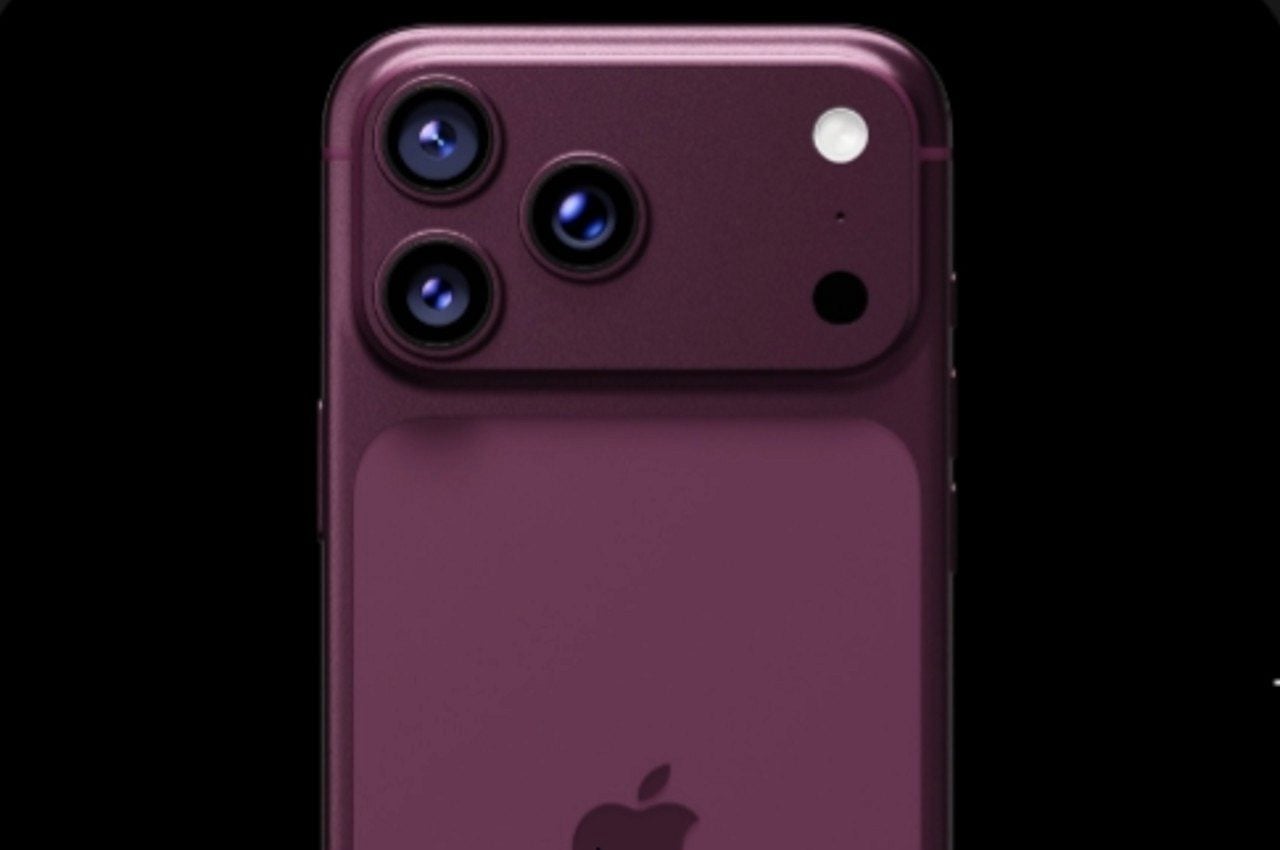
The Cupertino giant unveiled its latest family of mobile devices worldwide, highlighting the powerful iPhone 18 Pro Max, which now sports a 200-megapixel periscopic sensor and an unprecedented adjustable opening mechanism. The event also served as the stage for the long-awaited introduction of the iPhone Fold, the company’s first flexible screen cell phone, marking an aggressive expansion on crucial fronts in the telecommunications sector. Scheduled to hit shelves in September 2026, the new equipment will start at US$899 in the entry-level version, reaching US$1,199 in the most robust variant.
Camera advancements bring professional optical control to users
The optical assembly of the iPhone 18 Pro Max has undergone a profound redesign, delivering results that rival dedicated cameras. The manufacturer incorporated a 1/1.12-inch capture component, the largest ever used in the entire history of the line, guaranteeing an unprecedented light input. This physical modification results in much sharper night photographs, drastically reducing grain in dark scenes and raising the quality standard in environments where lighting does not cooperate.
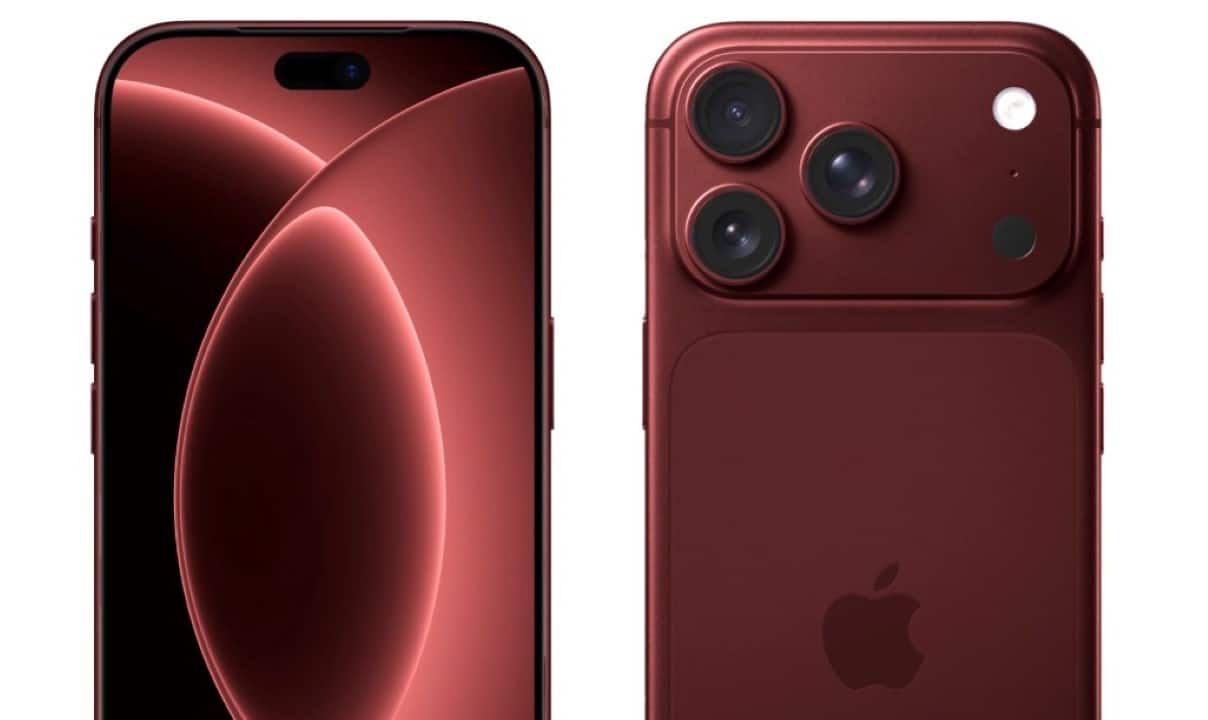
The highlight of the module is the adjustable diaphragm lens, a technology that allows the user to physically change the aperture before recording the image, something that brings the brand closer to the innovations already seen in high-end Asian rivals. With this mechanic, it becomes possible to create a real and purely optical background blur, eliminating the dependence on artificial cutouts made by software. The new feature responds to a long-standing request from content creators, working in perfect harmony with the 200 MP periscopic lens to guarantee extremely high-fidelity zoom.
The traditional iPhone 18 Pro version relies on a trio of highly capable rear sensors, but with slightly different numbers. The device combines a 48-megapixel main camera with a wide-angle lens of the same resolution, as well as a 64-megapixel periscopic sensor focused on close-up. Regardless of your choice between the more expensive models, both support video recording in stunning 8K at 60 frames per second, using intelligent processing to level exposure and adjust colors in real time.
Performance boosted by new chip and high-capacity batteries
The heart of these devices is the recently announced A20 Pro chip, built using the advanced two-nanometer architecture, which guarantees a significant leap in both speed and energy savings. This processor works optimally with the new energy tanks, providing up to 26 hours of uninterrupted use. In terms of gross capacity, the Max edition houses an impressive 5,200 mAh, while the smaller model has 4,300 mAh, making it possible to activate a severe restriction mode that turns off secondary resources and makes the charge last up to 72 hours for emergencies.
In terms of appearance, the panels adopt LTPO Super Retina XDR OLED technology, based on the M16 generation manufactured by South Korean Samsung. The dimensions have grown subtly, with the iPhone 18 Pro Max boasting 6.9 inches and the conventional Pro delivering 6.3 inches of usable area. Fluidity continues to be guaranteed by the adaptive system of up to 120 Hz, which reduces the refresh rate in still images to save load, while the upper screen cutout has been physically reduced to free up more space for the system indicators.
- 12 GB of RAM capacity to keep dozens of applications open simultaneously.
- Internal space alternatives that reach the 2 TB mark in the top versions.
- Implementation of the C2 modem, created by the brand itself to improve antenna reception.
- Factory support for Wi-Fi 7 and Bluetooth 6 connectivity standards.
- Expanded coverage for sending messages via satellite in regions without an operator signal.
The brand’s first foldable cell phone features a book format
The long-awaited debut in the flexible screen segment finally occurred with the iPhone Fold, putting the manufacturer on a direct collision course with the Asian giants in the sector. The chosen design follows the horizontal opening style, offering a 5.5-inch external display for quick everyday interactions. When unfolding the chassis, the user is faced with an internal 7.8-inch OLED panel, which practically converts the phone into a compact tablet, ideal for consuming media or working with multiple windows.
The engineering behind the hinge took years to complete, specifically focusing on smoothing out the central crease that often bothers owners of competing devices. To optimize the structure, the fingerprint reader was relocated to the side button, allowing secure access even with the device closed. Internally, the foldable inherits the power of the main line, bringing the A20 Pro chip, 12 GB of RAM and up to 2 TB for storing files, in addition to a double rear module headed by a 200 megapixel lens, all for an estimated value of US$2,000, targeting a highly enthusiastic audience.
Operating system brings unprecedented intelligent processing capabilities
The entire new crop of devices will come out of the box equipped with iOS 27, a platform that puts generative artificial intelligence at the center of the user experience. The house’s virtual assistant underwent a complete code restructuring, becoming capable of interpreting complex requests and remembering the context of a long conversation without getting lost. Furthermore, the software is now allowed to analyze information from different native programs, executing automated routines much more independently.
The native image manager has also been enhanced with autonomous tools, being able to suggest better framing and erase people or objects from the background of the photo, recreating the scene perfectly. When typing, the keyboard learns the owner’s tone of voice and suggests entire sentences based on chat history. To guarantee privacy, the system architecture was designed so that all this neural processing takes place physically inside the processor, without the need to send sensitive data to external servers.
Sales strategy divides devices by consumer profile
The gateway to this new ecosystem is the standard iPhone 18, which costs US$899 and finally incorporates the ultra-fluid scrolling screen, a benefit previously exclusive to luxury versions. Its chassis and internal components have been updated to support all software innovations, being offered in tones such as dark cherry, light blue, dark gray and silver, leaving aside the classic black option. With the iPhone 18 Pro starting at US$1,099 due to the high cost of new photographic parts, the company establishes a clear division: the basic model caters to the masses, the Pro versions target image professionals, and the flexible variant seeks to attract technology pioneers.