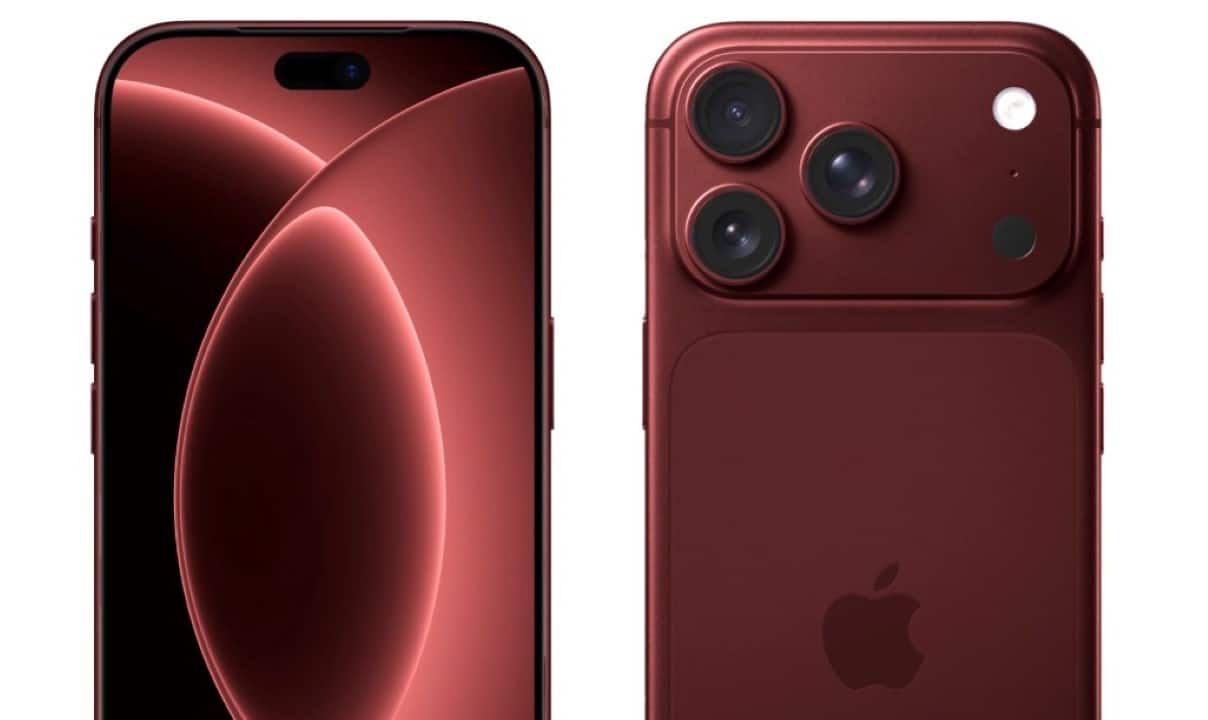
The Cupertino giant has set the month of September for the arrival of its newest high-end smartphone on the global market. The long-awaited iPhone 18 Pro promises to redefine the company’s aesthetic standard by adopting a completely translucent rear panel, revealing all of the device’s internal engineering. In addition to the radical change in appearance, the device brings a historic leap in energy capacity, delivering 5,200 mAh to guarantee long hours away from the socket. To protect this structure, the manufacturer combined an aerospace titanium frame with extremely high impact-resistant glass.
Translucent panel engineering ensures resistance against water and dust
Creating a housing that allows you to see inside the cell phone required the creation of a specific glass material, chemically processed in Asian industrial complexes. This rigorous treatment serves to block natural wear and tear and prevent the surface from turning yellow after months of exposure to sunlight. To join this translucent piece to the metal chassis, engineers applied an unprecedented sealant that completely seals the gaps. As a result, the circuits are visible, but completely shielded against liquids and dirt, achieving the maximum degree of resistance certification on the market.
With the exposure of the hardware, parts such as the main board and tiny connectors began to make up the smartphone’s visual identity. The development team had to redesign the internal architecture, aligning cables and microchips in a perfectly symmetrical way to create a futuristic look. This paradigm shift in industrial design shows the brand’s urgency to stand out in a sector where formats seem stagnant. Market analysts believe that this raw and technological aesthetic has a strong appeal among buyers seeking exclusivity and status.
New ultra-fast chip performs complex tasks without relying on the internet
The brain of the device is a chip built using 2-nanometer lithography, a monumental advance in the miniaturization of mobile technology. This microscopic structure allows billions of transistors to be squeezed into a tiny area, which translates into brutal performance combined with low energy consumption. A considerable part of this processor was designed specifically to run artificial intelligence tools natively. This means the phone can interpret advanced voice commands and process sensitive data without having to send information to cloud servers.
To sustain this processing load, RAM memory rose to the 12 GB mark, enough capacity to keep language models operating silently behind the scenes. In practice, the owner of the device can translate conversations in real time or generate long texts without experiencing hiccups in the interface. Navigation between dozens of open applications happens instantly. This entire physical set works in harmony with the operating system to prevent rapid battery drain during intense gaming sessions or recordings in cinematic resolution.
Unprecedented thermal solutions protect components against overheating
Accommodating such a large power tank in a thin body created a considerable obstacle regarding temperature control. The heat emitted by the 2 nanometer chip needed to find a quick escape route so as not to crack the rear glass or melt nearby connections. The manufacturer’s response was to discard traditional methods and design a completely new thermal dissipation mechanism, incorporating conductive elements that had never been used in this category of electronics.
- Superconducting graphene sheets pull away the heat generated by the processor in a matter of seconds.
- A redesigned vapor chamber spreads temperature evenly throughout the titanium chassis.
- The design of the main board now has small channels that facilitate the passage of air between the circuits.
- Specific metal alloys surround the power module to avoid scratches during ultra-fast recharge cycles.
This rigorous heat management ensures that the cell phone delivers its maximum power for hours on end without suffering drops in performance. Anyone who uses the phone for heavy tasks will not feel the casing burn their hands, even after long periods of continuous use. In addition to physical comfort, this efficient cooling prevents the power cells from cooking inside, which slows down battery aging and increases the overall durability of the product.
Professional lenses and satellite communication complete the premium package
In the photographic department, the main sensor has a physical mechanism that opens and closes the lens to control the exact amount of light that enters, adapting to the environment. This mechanic imitates the operation of dedicated professional cameras, resulting in portraits with a much more authentic and accurate background blur. During the night, the captures record minute details without that grainy appearance common in dark places. Before the image even appears in the gallery, the signal processor applies instant color corrections, while algorithms calibrate white balance and remove optical distortions.
Connectivity has also taken a leap with the expansion of the satellite network, which now allows short audios and compressed photos to be sent even in the middle of the ocean or isolated mountains. To free up internal space, the company definitively removed the physical chip drawer, forcing the global transition to virtual lines, a movement that started timidly in previous generations. Partner automakers on the Asian continent are already adjusting heavy machinery to handle mass production in the coming weeks. The brand’s strategy involves making the device available simultaneously in dozens of markets, seeking to absolutely dominate the category of ultra-luxury cell phones.